

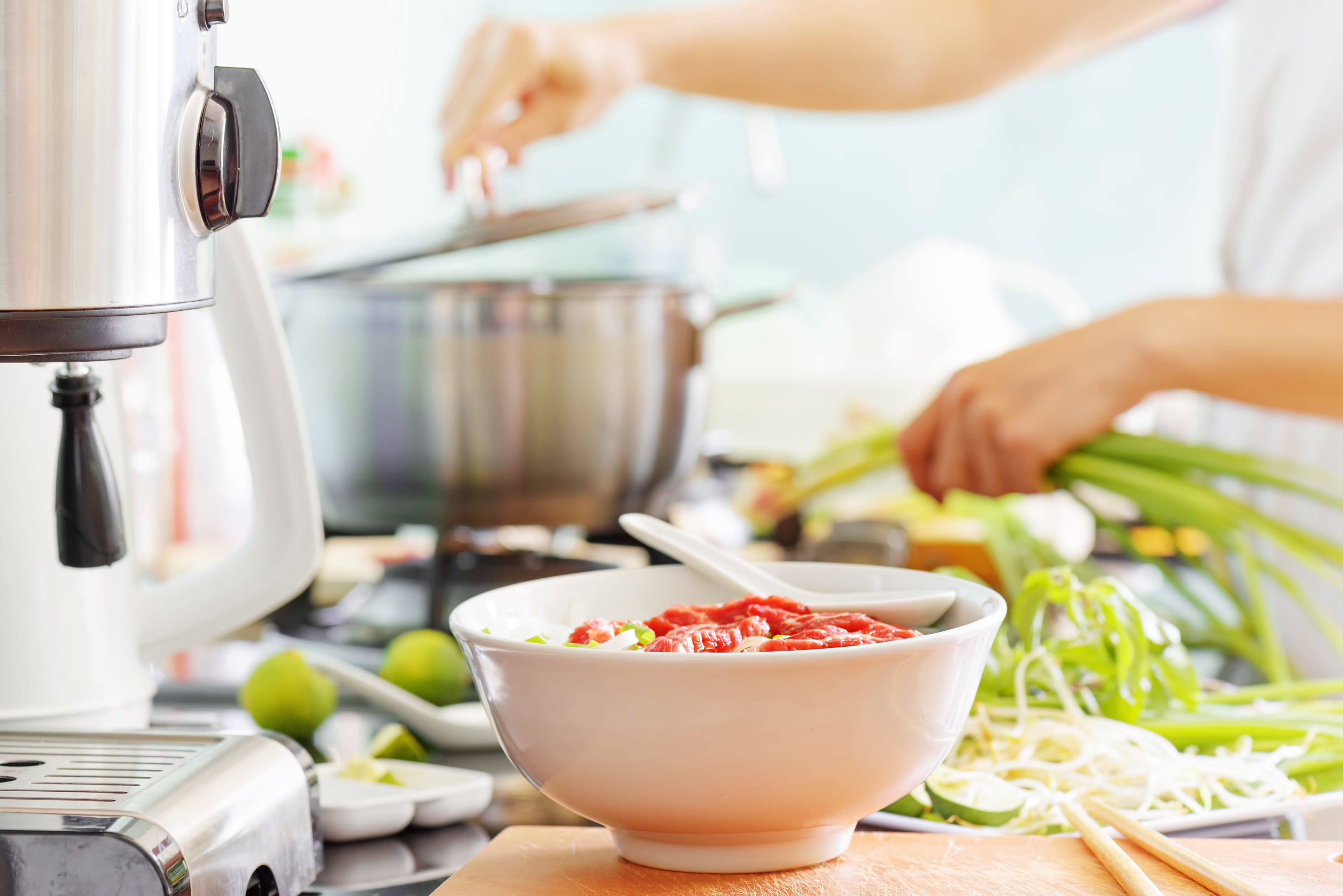
Flavor learning often begins long before a child takes a bite. The aromas of herbs, broths, and spices drifting through the kitchen become part of a child’s earliest experiences with food.
Editor’s note: This article was inspired by Lindsey, our social media manager, who will soon return from a visit to Vietnam with family. As we talked about the foods and flavors she remembers from childhood, it sparked a broader conversation about how children learn to recognize flavor in the first place.
In the early mornings in Vietnam, markets begin filling long before the heat settles in. Baskets of herbs spill across tables. Thai basil. Mint. Perilla. Lemongrass. Cilantro.
Nearby, broth simmers for breakfast. Ginger, star anise, herbs, and aromatics drift through kitchens and onto family tables. For many children growing up around these meals, those flavors do not feel unusual or adventurous. They feel familiar.
That observation reveals something important. Children who recognize more flavors are growing up in environments where flavor is visible, varied, and consistently woven into everyday life. The flavors themselves are not the story. The environment is.
A child who regularly sees herbs added to meals, smells spices while dinner cooks, notices different sauces on the table, and encounters familiar flavors across many dishes is building a flavor vocabulary. Their learning may happen at a Saturday farmers market while a parent chooses peaches, basil, or fresh herbs. It may happen while helping unpack groceries or watching dinner come together at the kitchen counter.
Many parents never think about flavor this way. We often focus on whether a child likes a food, takes a bite, or refuses to eat a food. But before children learn to enjoy a flavor, they learn to recognize it. Flavor recognition is where taste literacy begins.
Flavor recognition develops gradually through repeated encounters with everyday foods, aromas, and family meals. That familiarity often shapes how confidently a child approaches food over time.
Yet many parents understandably interpret flavor confidence very differently.
What Many Parents Misunderstand About Flavor Learning
Many parents assume that some children are naturally adventurous eaters while others are naturally cautious around food.
Yet adventurous eating is rarely an inborn trait. The ability to recognize and accept a wide range of flavors develops over time.
Children are not born recognizing the brightness of lemon, the warmth of cinnamon, the earthiness of cumin, the freshness of mint, or the savory depth of miso. Familiarity develops gradually through repeated experiences with food.
This helps explain why feeding can feel so confusing.
A child may comfortably eat one version of a food while hesitating around another that seems nearly identical. Parents often interpret this as stubbornness, being picky, or changing preferences.
More often, the child is still learning how flavors connect across different experiences.
Children learn flavor through aroma, texture, temperature, appearance, and repeated encounters with food during everyday meals. Over time, the brain begins building a library of flavor memories.
A child who repeatedly encounters ginger in soup, noodles, marinades, and family meals begins learning to recognize ginger. The same is true for cinnamon, dill, basil, turmeric, garlic, lemon, rosemary, cilantro, and countless other flavors.
Exposure matters. But repetition does not automatically create recognition. This is why repeated exposure alone feels frustrating for families. A child may repeatedly encounter a flavor yet experience each version as entirely new.
What helps children develop confidence around food is not simply seeing the same food repeatedly. It is learning to recognize familiar flavors across different meals, preparations, and experiences.
What Flavor-Rich Environments Do Differently
When parents see children in other parts of the world comfortably eating foods seasoned with herbs, spices, fermented ingredients, or stronger aromatics, it is easy to assume those children are naturally more open to flavor. Yet another explanation may be true. These children are growing up in environments where flavor is highly visible.
Vietnam offers a helpful example.
In many Vietnamese households and markets, children grow up surrounded by layers of flavor. Fresh herbs sit on tables beside meals. Broths simmer with ginger, star anise, onion, and fish sauce. Dipping sauces, greens, aromatics, and condiments appear naturally throughout the day.

In flavor-rich environments, food is woven into everyday life. Children grow up surrounded by ingredients, aromas, and meals that gradually become familiar over time.
Children growing up around these meals are not necessarily being taught to appreciate herbs or spices. They are building familiarity through repeated contact with them.
When Lindsey was growing up, her mother would jokingly tell her and her sister:
“What if you were stranded on a deserted island someday? You would need to know what foods you could eat.”
The comment was playful, but it reflected something many cultures understand intuitively: children benefit from becoming acquainted with a wide variety of foods and flavors as they grow.
This is not about parenting perfectly or following a particular way of eating. Every culture has its own familiar flavors, comfort foods, and food traditions. What often differs is the flavor environment surrounding the child. Over time, becoming familiar with a wider range of flavors can support both food confidence and healthier eating patterns.
In flavor-rich environments, children regularly encounter herbs, spices, sauces, aromatics, fruits, vegetables, and seasonings through everyday family life. Much of that learning happens around shared meals, where children see the same ingredients appearing across the family table rather than being reserved only for adult plates. They may see herbs piled into a noodle bowl, smell spices drifting from the kitchen, watch a parent squeeze lemon over fish, or notice a dipping sauce passed around the table at dinner. The learning happens long before anyone asks the child to take a bite.
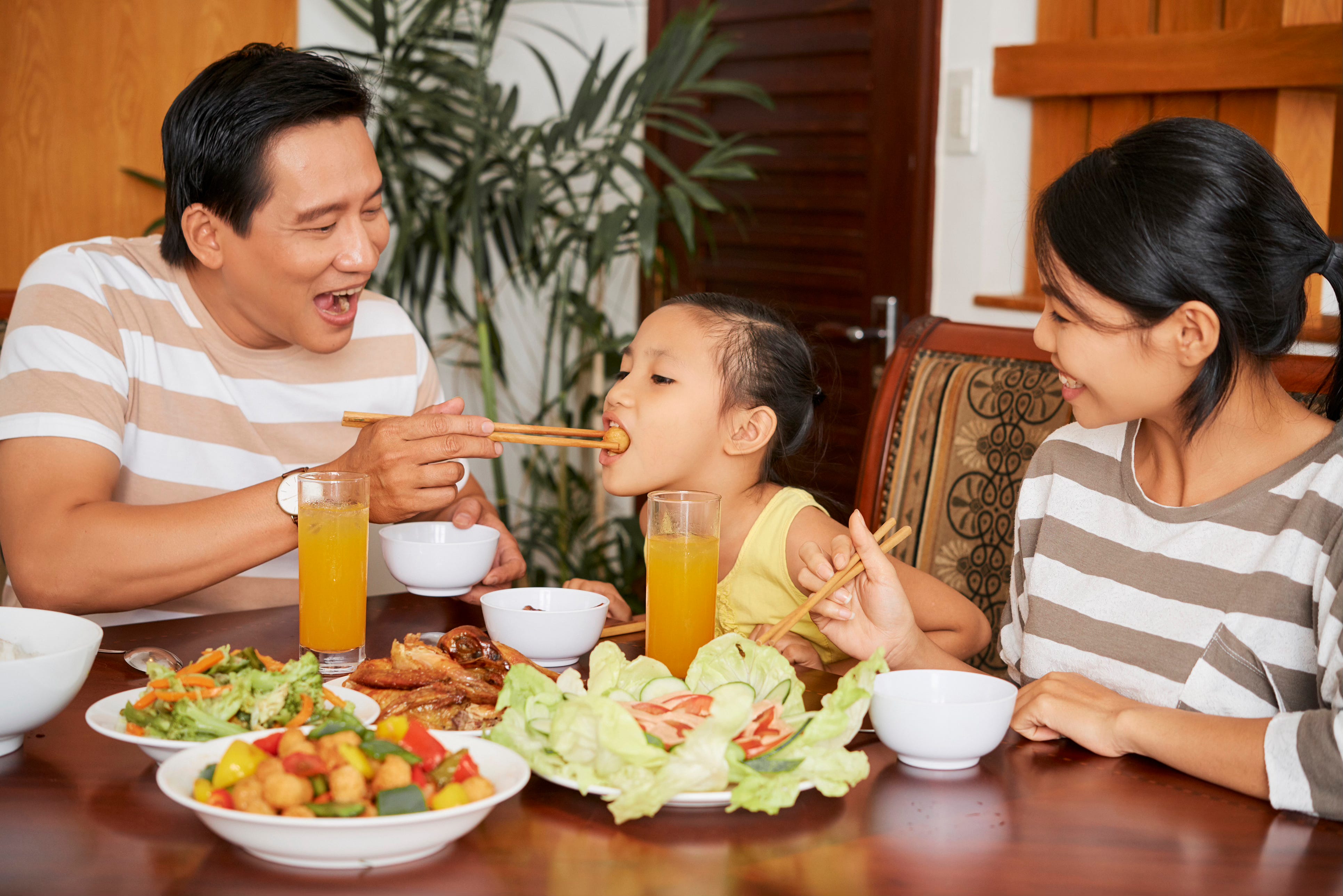
Much of taste literacy develops around shared meals, where children watch, observe, and experience the same flavors appearing across the family table.
Children rarely learn flavor because someone explains it to them. Over time, repeated experiences help children become familiar with a wider range of flavors. Ingredients that once felt unfamiliar become recognizable as part of everyday life.
The goal is not to raise a child who eats the most adventurous foods. The goal is to raise a child who recognizes more flavors, feels comfortable around a variety of foods, and approaches meals with confidence and curiosity. In other words, a child who is developing taste literacy.