


One family dinner means less time cooking and more time enjoying a meal together.
Are you tired of preparing a separate dinner for your child?
A few small changes to the meals you already enjoy may be all you need to start preparing one dinner for everyone.
As the holidays approach, you’ll likely have more opportunities to enjoy food with family and friends, whether at a restaurant, while traveling, or around someone else’s table. But these gatherings can feel complicated when your child eats only a handful of familiar foods. Even at home, preparing a separate meal means more cooking, more dishes, and one more decision at the end of an already busy day.
Imagine you’re making pasta for dinner. Your child loves buttered noodles. Tonight, you’ve prepared spaghetti, kept the tomato sauce on the side, and have shaved Parmesan ready to sprinkle on top. Your child takes one look and says, “I want chicken nuggets!”
You could heat up the chicken nuggets. It wouldn’t take much effort, and you know your child would probably eat them. But you’ve already made dinner, and now you’re deciding whether to make something else. At the same time, you’re wondering: What if I don’t make chicken nuggets? Will they eat enough? Are we headed for a meltdown?
These concerns are understandable, especially when you usually prepare something familiar and dinner goes fairly smoothly.
One Family Meal Can Look Different Than You Expect
When you think about making one dinner for everyone, you may picture the whole family eating the same thing. But what happens when your child prefers their food prepared a certain way?
One family dinner doesn’t necessarily mean everyone has to eat identical plates. You might already be preparing meals that could work for everyone with a few small adjustments. Starting with foods your child already enjoys can make changes feel easier.
Sometimes it’s as simple as serving a sauce on the side, adding a drizzle or garnish at the table, or leaving extra spice for those who enjoy it. These small culinary choices give everyone flexibility without adding another dish to prepare.
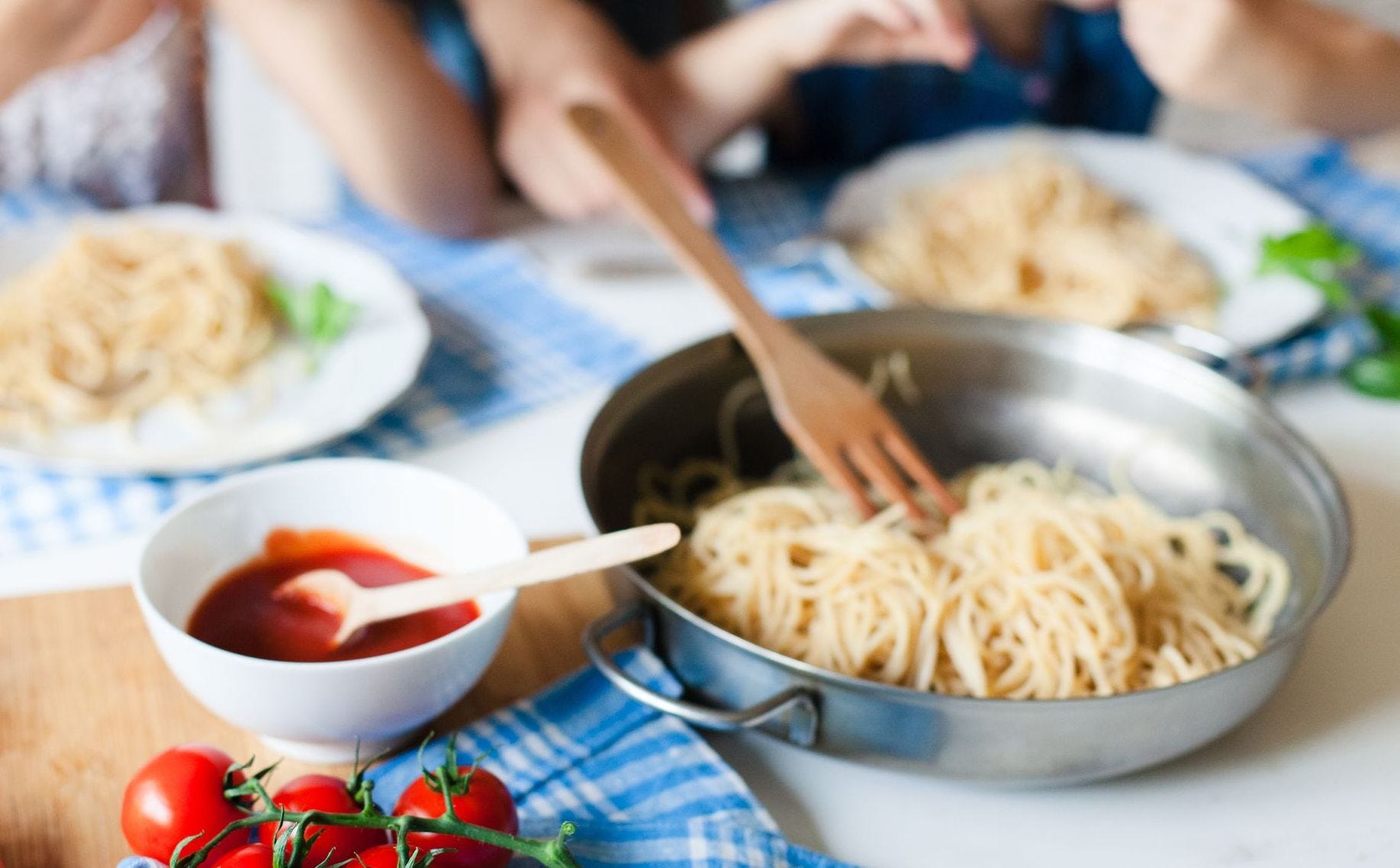
Pasta for everyone, with sauce on the side. One small adjustment can accommodate different preferences without preparing a separate dinner.
Think about another pasta dinner. You might make rigatoni and keep the ragù meat sauce, Parmesan, and a few sprigs of parsley or basil on the side. Everyone shares the pasta, and each person can choose whether to have sauce and Parmesan on top, mixed in, or on the side. At a taco dinner, everyone can choose tortillas, fillings, and toppings from the table. A stir-fry might be seasoned with garlic, ginger, and soy sauce, with chili crisp on the table for those who enjoy more heat.
One family meal does not require serving dishes deconstructed. Sometimes you can simply leave a sauce, dip, or garnish on the side and offer a little extra seasoning for those who want it.
Start With Familiar Foods
Consider an easy place to start. Your child may already enjoy spaghetti but have little experience with other pasta shapes. Bucatini, penne, ditalini, farfalle, and rigatoni, all made from the same traditional durum wheat, share a similar flavor. Their shapes change how they feel in the mouth and how sauce clings to them, but their flavor remains familiar. Your child can begin to recognize that familiar pasta flavor even when the shape is different.
Bread offers another example. The soft sourdough sandwich bread your child enjoys at home may differ greatly from warm pita at dinner, a crusty baguette at a restaurant, or a fluffy Parker roll at a friend’s house. All are bread, yet their flavors, textures, and appearances vary.
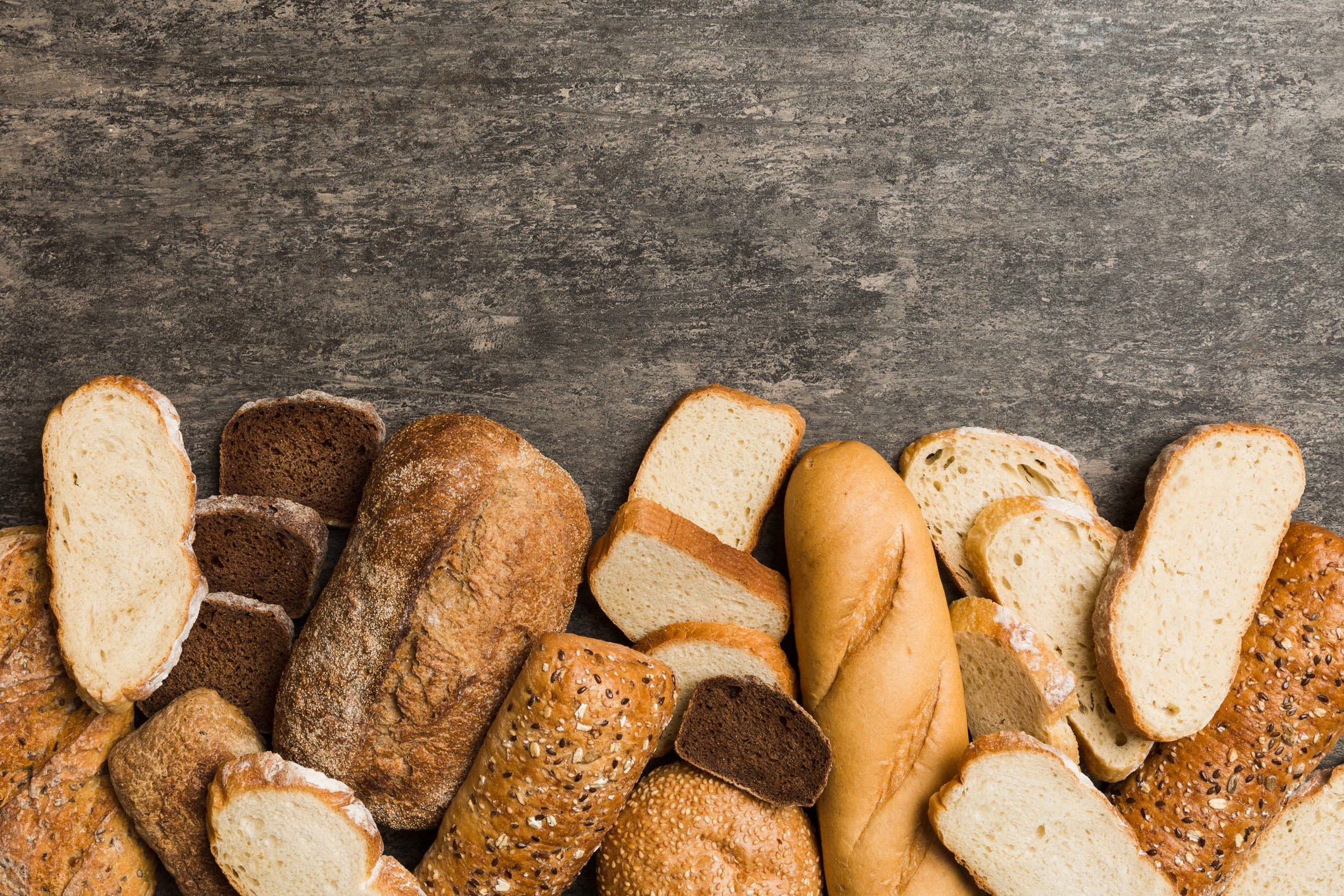
Bread comes in many forms. Different crusts, textures, and flavors give your child more ways to recognize something familiar.
Young children thrive on predictability. Knowing what to expect can be reassuring, especially when they’re hungry or tired. A familiar food can offer comfort when other parts of a meal look or taste different.
Yet food is full of differences, even when it’s familiar. You can help your child notice them through simple conversations: “These noodles are little tubes instead of long strands. They are made from the same pasta we have at home, just a different shape.” Or, while sharing bread: “This bread has a chewy crust. The inside is soft and fluffy.”
Openly talking about and describing the foods you eat can happen at any meal. These brief conversations help your child notice and recognize flavors, textures, and other food characteristics. As these experiences become familiar, your child begins to better understand what they’re eating, even when a food looks or feels a little different.
This learning can happen during an ordinary dinner at home, in a restaurant, or while traveling. It doesn’t require preparing a special dish or turning dinner into a lesson.
What About the Foods Your Child Always Eats?
You may already have a few foods you can almost always count on your child to eat. Pasta, rice, bread, eggs, or cheese may be part of your regular dinner routine. These foods can serve as a helpful starting point, especially when you’re first preparing a meal for everyone.
But what about the times when that specific version of the food isn’t available?
The pasta at a restaurant might be a different shape. The eggs at a hotel breakfast might be harder or softer than the eggs you cook at home. The bread at a family gathering might taste different or have a different crust.
A child familiar with different versions of everyday foods has more experiences to draw on when something looks or tastes different. Over time, that familiarity can make meals away from home easier, so you don’t always need to bring the exact foods your child enjoys at home.
Of course, understanding that familiar foods can look and taste different doesn’t mean your child will welcome every variation right away. Remember the spaghetti from our opening story?
Your child may still say, “I want chicken nuggets.” And you’re left wondering: Should I make the chicken nuggets too? What if my child doesn’t eat the spaghetti?
So how can you start preparing one dinner for the family when your child usually wants something else?