

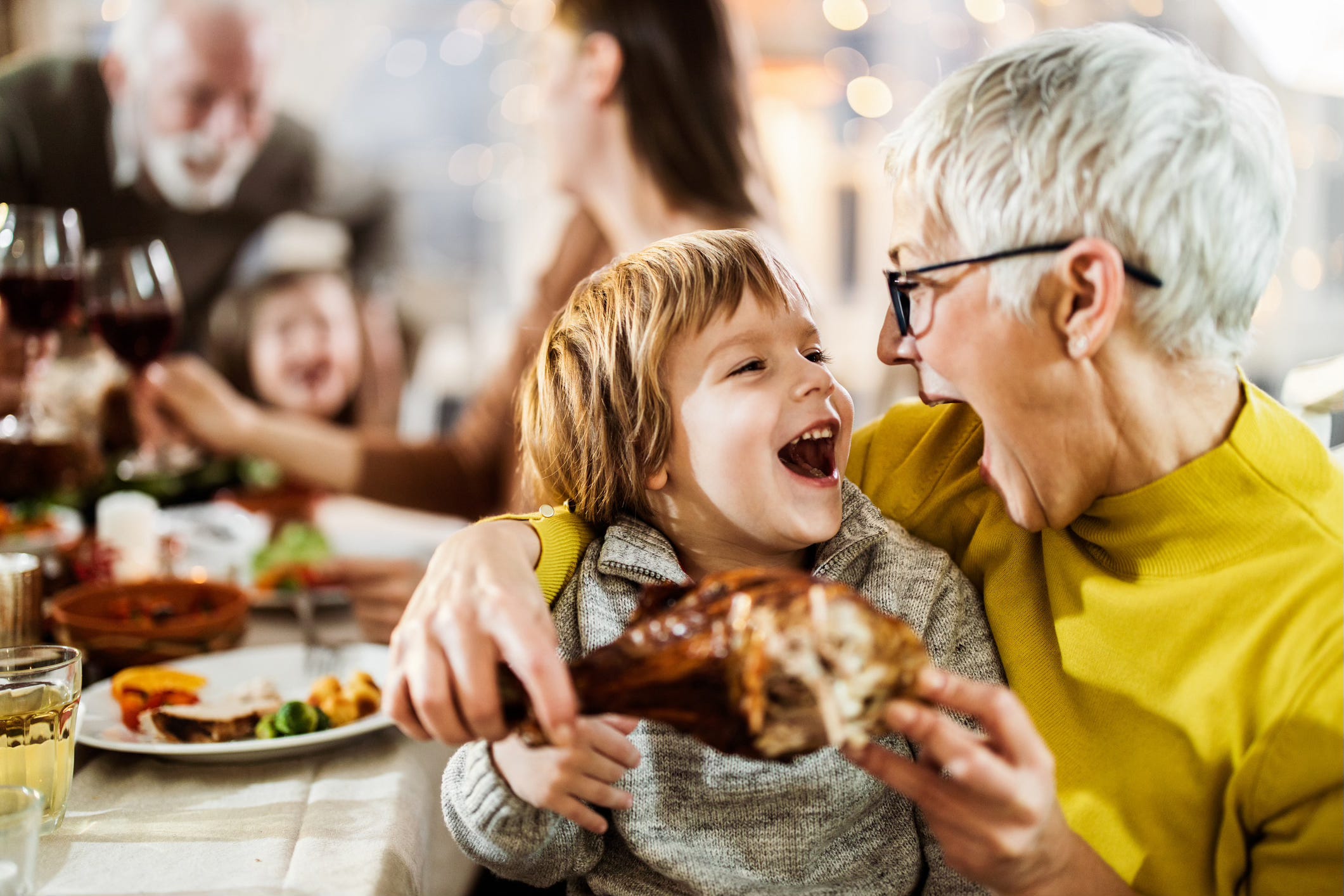
Holiday meals feel easier for children when connection comes first.
Thanksgiving can bring joy, comfort, and connection. It can also bring a familiar knot in the stomach for many parents. Relatives watching, plates filled before children even sit down, and the quiet hope that the meal will “go well” can make the day feel tense.
Parents want the holiday to feel special. They want their child to be nourished. They want family to enjoy being together. And they hold all of this while the holiday table is asking a lot of young children at the same time. New smells, louder rooms, unfamiliar dishes – all layered onto an already full day – can make the meal feel big for little ones.
This worry doesn’t come from a lack of effort. It comes from caring deeply and wanting a moment of connection in a season that often moves too quickly.
Children, however, do not need encouragement to meet others’ expectations at the table. They need room to notice: the warmth of the turkey, the color of the cranberries, the softness of mashed potatoes. These small sensory moments matter far more than how many bites they take.
Thanksgiving begins in the kitchen long before the food reaches the table. The steamy aroma rising from the oven, the rhythm of chopping, the hum of people gathering – children absorb all of this before a single plate is filled. For them, Thanksgiving is as much a sensory experience as it is a meal.
Many parents enter the day already worried:
Will my child eat anything besides bread? Will there be comments from family? What if they barely touch their plate?
You’re not alone. Holiday meals often amplify everyday concerns.
What children need at Thanksgiving is gentler, calmer, and much less tied to what is on their plate. They learn most from emotional safety, sensory curiosity, and connection – not from the number of bites they take. When the meal becomes a moment to observe and reconnect, children feel steady enough to explore food in their own way.
What Children Notice First
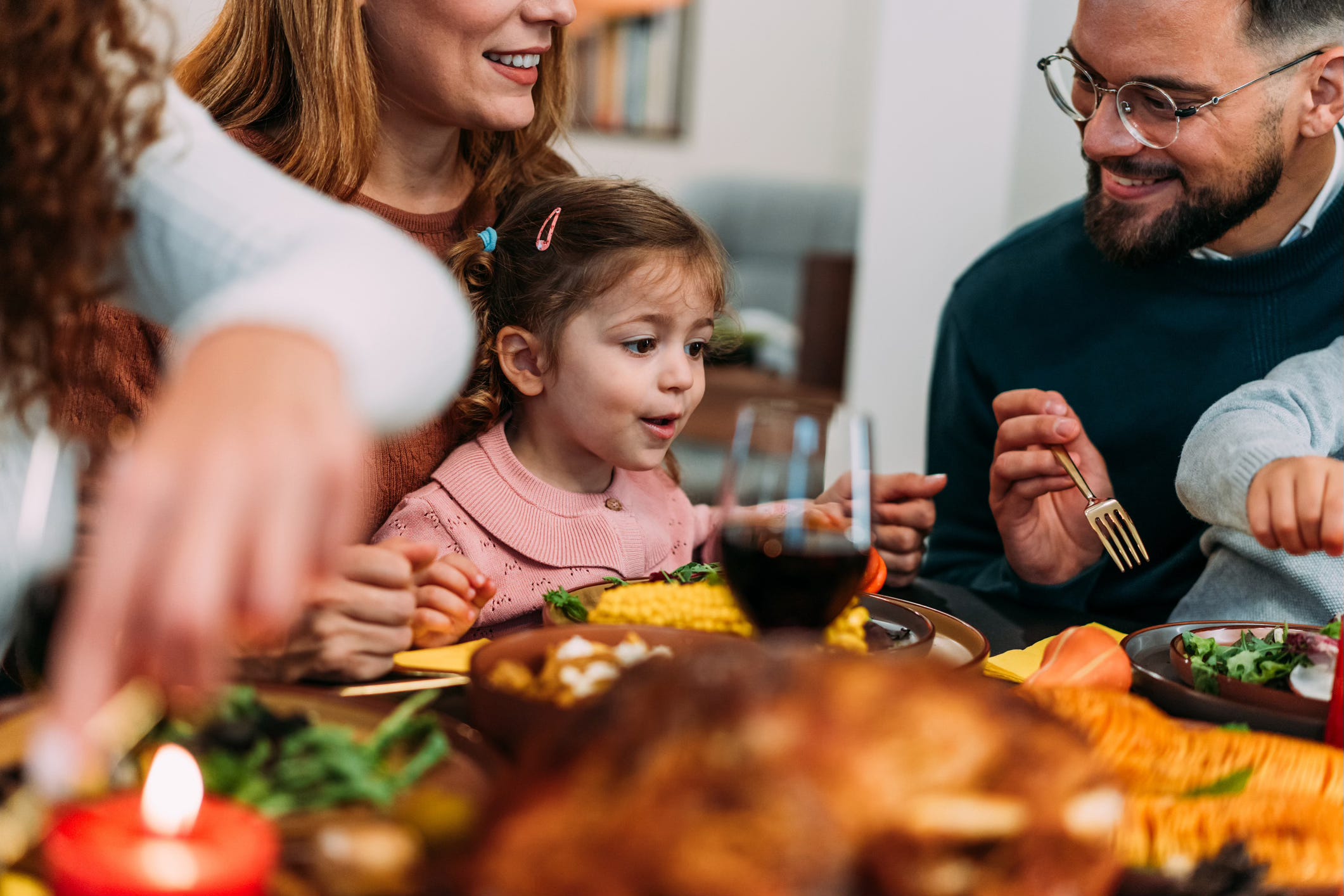
Children often learn more from noticing the meal than from eating it.
Children often learn about a meal by watching before participating. They notice the brightness of cranberry sauce, the smoothness of mashed potatoes, the herbal steam from the turkey, the leafy edges of Brussels sprouts. Even if they don’t taste everything, they’re building familiarity.
A holiday table can feel overwhelming for young nervous systems. Anticipation, noise, and unfamiliar flavors mean a child may take in more from the kitchen’s activity than from what ends up on their plate. What looks like hesitation is often a child giving themselves time to process. Sensory understanding always comes before sensory participation.
This is why even subtle pressure works against what children need most. When the focus shifts toward presence – rather than performance – the table becomes a place to learn. When the focus shifts away from performance – all the little moments of “please just try it” – and returns to enjoying your child, something important happens. Children relax.
Flavors Your Child May See at the Table
Many Thanksgiving dishes are naturally approachable without special preparation.
Turkey
Savory, warm, herbal. Children often learn through aroma first, even if they don’t want it on their plate.
Green Beans
Green, crunchy or soft depending on how they’re cooked. A familiar vegetable children often revisit over time.
Mashed Potatoes
Creamy and buttery. A predictable comfort that feels safe to many children.
Cranberry Relish
Zingy and tart. Even a small taste introduces a kind of brightness they’ll encounter again in berries and citrus.
Brussels Sprouts
Leafy with gentle bitterness. Bitterness can feel bold; seeing trusted adults enjoy it gives a child important sensory exposure.
Pomegranate Arils
Tart, bright, juicy. Their pop offers a playful sensory moment without needing a full serving.
These foods don’t need to become goals. What matters is that your child feels safe enough to be curious.
What Helps Children Most at Thanksgiving Meals
Children do best when the table feels predictable and pressure-free. For many families, this means letting go of the idea that the meal needs to look a certain way. A small portion of something familiar and a tiny amount of something new nearby is often enough.
After that, the most helpful ingredient is connection – your grounded presence beside them.
Parents often ask what connection looks like in real time. Here are a few clear examples that help guide children toward comfort without pressure:
Share your own experience without “selling” the food.
Instead of persuading your child, simply describe what you notice.
“I’m tasting the sage in the turkey.”
“This bite is a little tart.”
“The Brussels sprout is softer than I expected.”
Children learn by overhearing you make sense of flavor.
Offer low-pressure ways for your child to participate.
Participation does not need to mean eating.
“Want to smell this before I put it down?”
“Do you want some on your plate, or should it stay nearby?”
“Which colors do you see on the table?”
These invitations keep the table open without demanding a bite.
Ask open-ended questions that spark curiosity.
Curiosity supports learning; pressure shuts it down.
“What does it smell like?”
“Is it warm or cool?”
“What do you notice first?”
These questions help children explore their senses, not perform for others.
Let conversation be the anchor.
Some of the most grounding moments have nothing to do with food.
“Tell me something that made you laugh this week.”
“What was your favorite moment today?”
When a child feels safe, curiosity comes more naturally.
A Gentle Cue That Encourages Curiosity
If you want to open a small moment of exploration without slipping into pressure, one quiet question often works well:
“What does it taste like?”
This is a simple invitation. It signals to your child that you are interested in their experience, not their approval. Your child might respond with a word, a face, or even a shrug. All of it counts. You’re guiding them to pay attention to their senses, instead of other’s expectations.
When Dessert Arrives
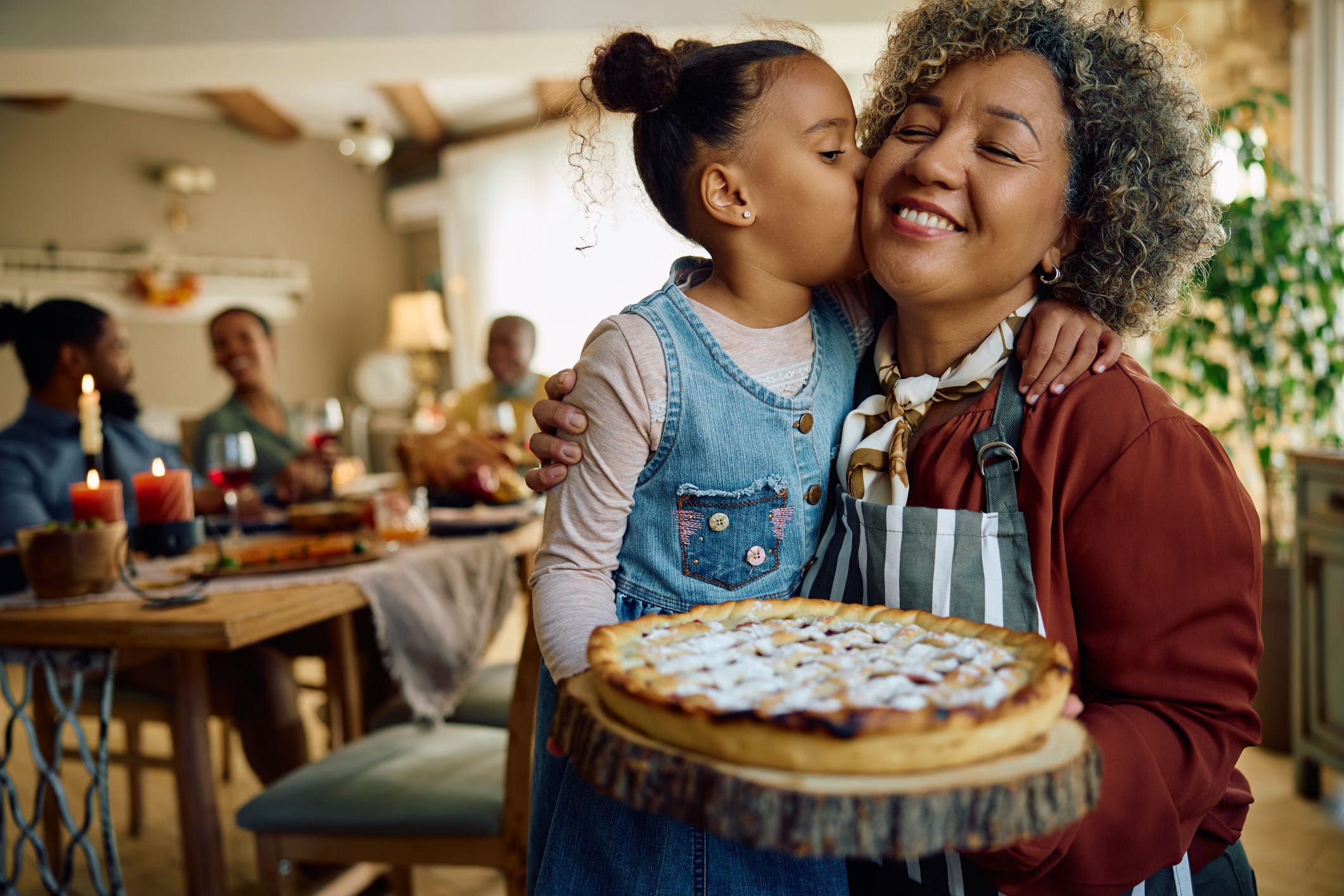
Dessert feels easier when it’s part of connection, not negotiation.
Dessert is simply another flavor category – warm spices, soft textures, and layered sweetness. When it isn’t used as leverage, the whole meal feels calmer. Children settle more easily when dessert is part of the meal rather than the prize for finishing it.
What Kids Really Need at Thanksgiving
Children don’t need to eat everything.
They don’t need to impress anyone.
They don’t need encouragement to meet expectations that were never theirs.
What children need is a sense of safety – the feeling that food is something they can approach at their own pace. A child who smells, watches, and takes tiny tastes is already learning. A child with a calm parent beside them – and a meal filled with connection – learns even more.
These experiences shape a child’s comfort with food long after the holiday ends. When the meal becomes a chance to connect, your child feels at home at the table. The rest – tasting, experimenting, and curiosity – follows naturally.