

This week, I’m attending the inaugural Food is Life, Food is Health summit at the Culinary Institute of America in Napa Valley.
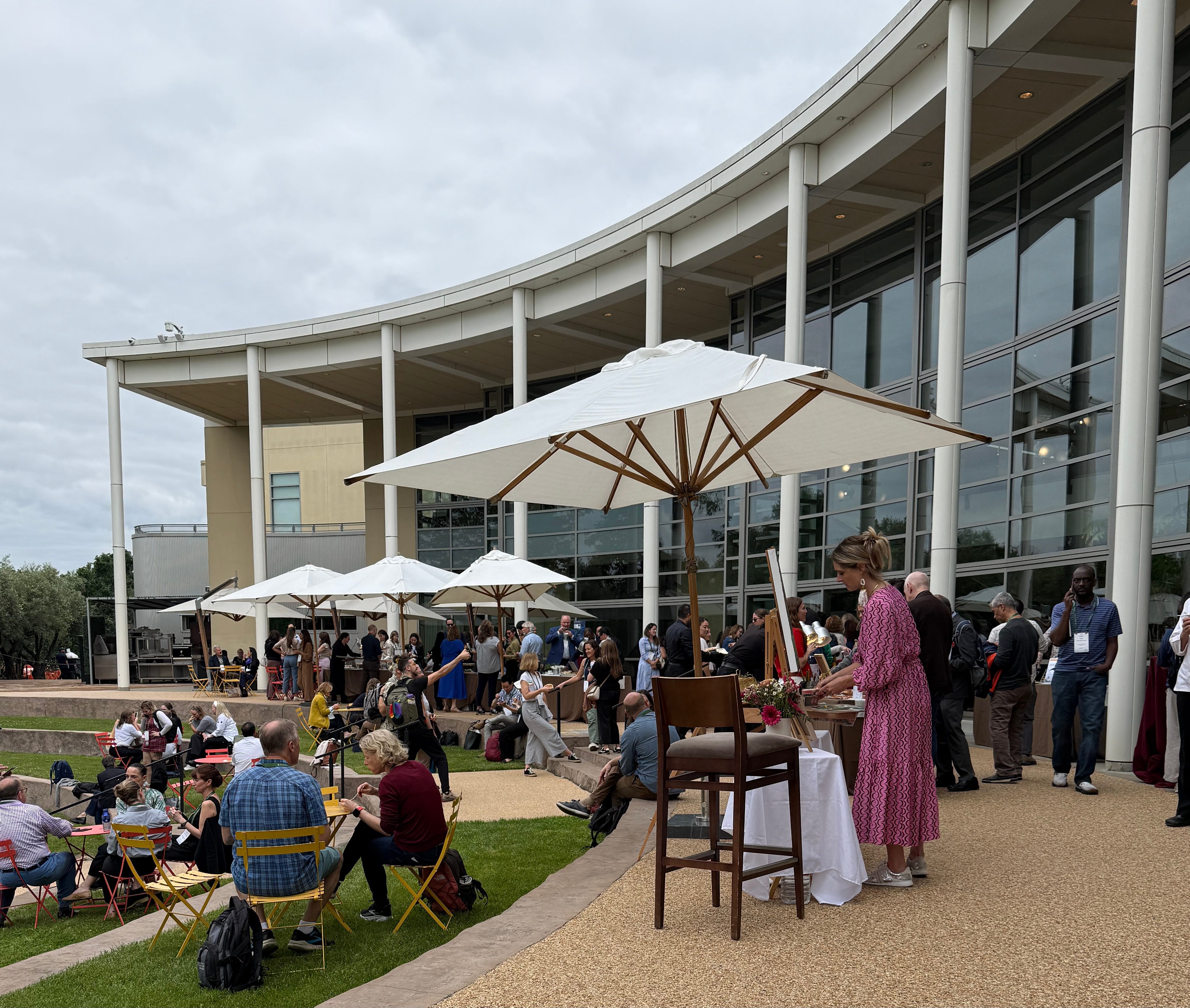
For three days, chefs, physicians, researchers, and sustainability leaders are sitting side by side, talking about food, health, flavor, culture, and the future of medicine.
In between those conversations, we cook together. We watch demonstrations. We share meals that reflect the kind of care and attention being discussed in the sessions themselves.
And honestly, it feels important.
For a long time, healthcare has talked about food mostly in terms of nutrients.
But as a pediatrician and chef, I know that children do not first experience food that way.
They experience flavor.
Texture
Familiarity
Aroma
Memory
Pleasure
Safety
Curiosity
Sitting in these rooms, I keep noticing something:
The conversations change when chefs are part of them.
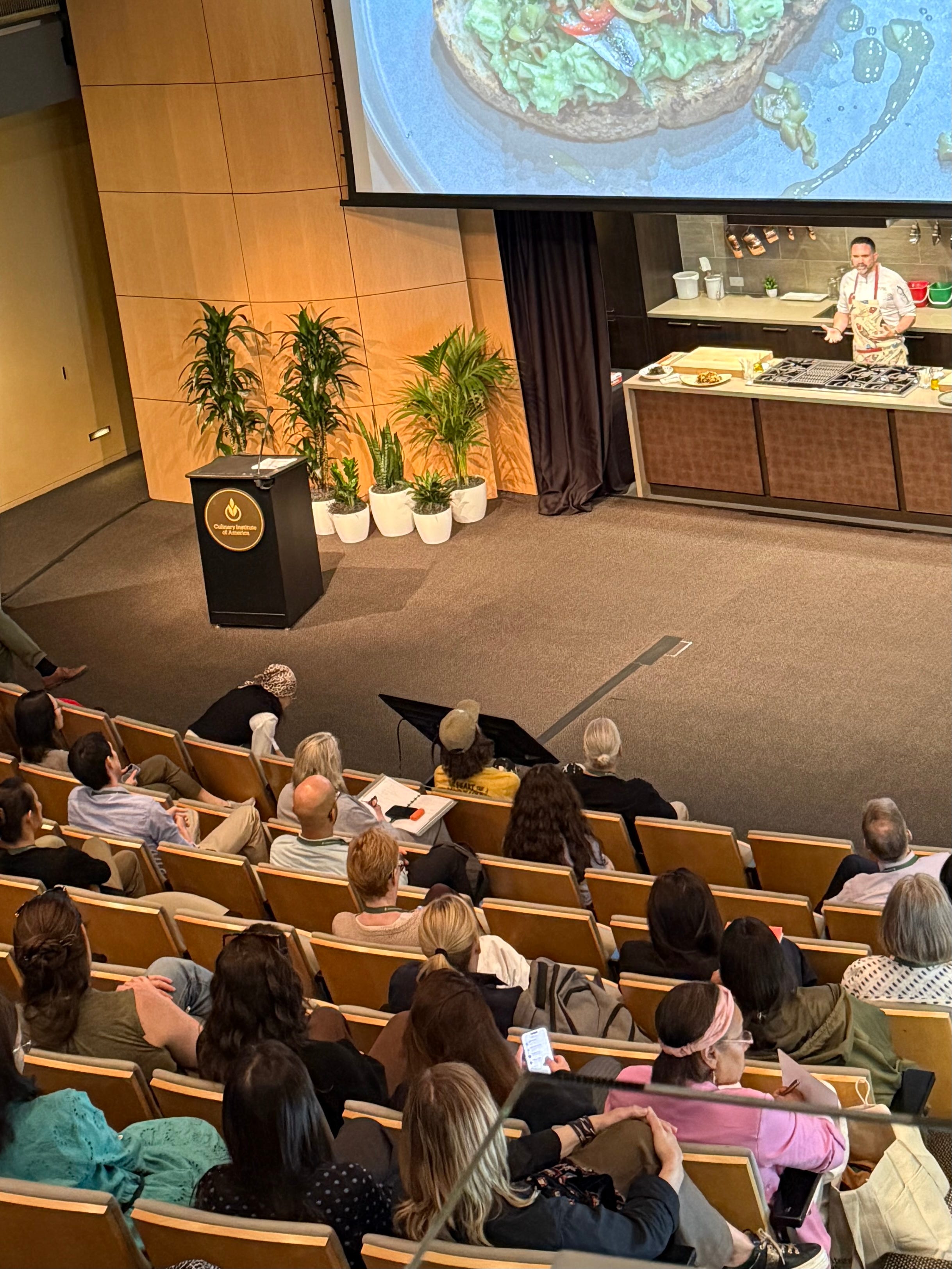
Physicians often speak about outcomes, biomarkers, disease prevention, and compliance.
Chefs speak about experience, memory, culture, aroma, pleasure, flavor, and texture.
The feeling of wanting to come back to the table again.
Somewhere between those two perspectives is where children’s experience of food begins to make sense. Because children are not simply “small adults” learning nutrition.
Children are learning how food feels.
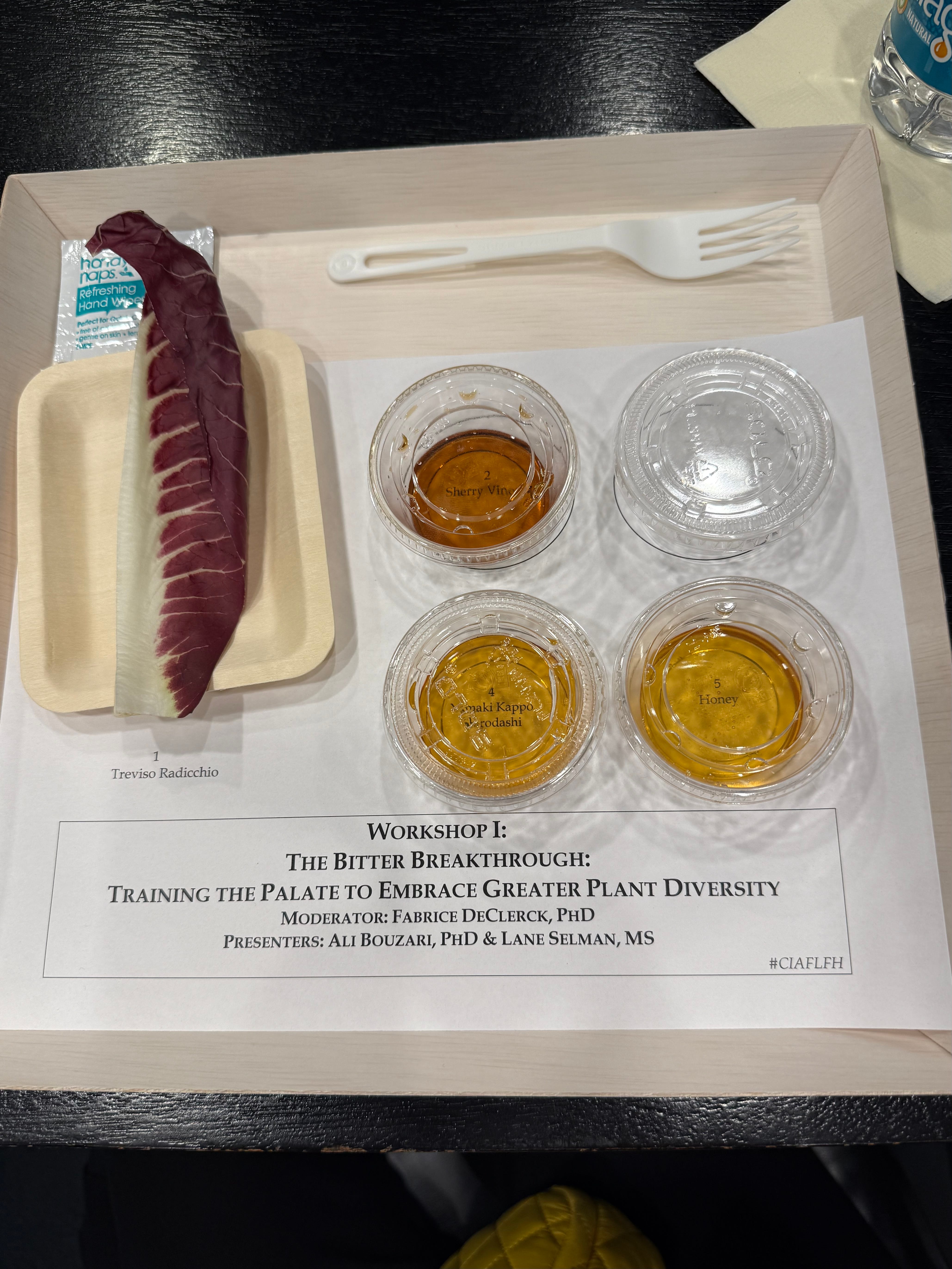
They are building recognition, predictability, familiarity, and trust.
Long before a child understands protein, fiber, antioxidants, or omega-3 fats, they are learning:
Does this smell familiar?
Does this texture feel safe?
Have I seen this before?
Do the people around me enjoy it?
Is this experience calm or stressful?
That is part of why flavor matters so deeply in childhood.
And it is also why so many feeding conversations feel incomplete when they focus only on nutrients – or on “getting kids to eat.”
Over these few days, I’ll be listening to conversations about food systems, sustainability, culinary education, cultural relevance, and the future of how we nourish both our gut microbiome and our planet.
One thing already feels very clear: health does not grow from information alone.
Health grows from experience and from repeated moments around food that feel meaningful, connected, recognizable, and worth returning to.
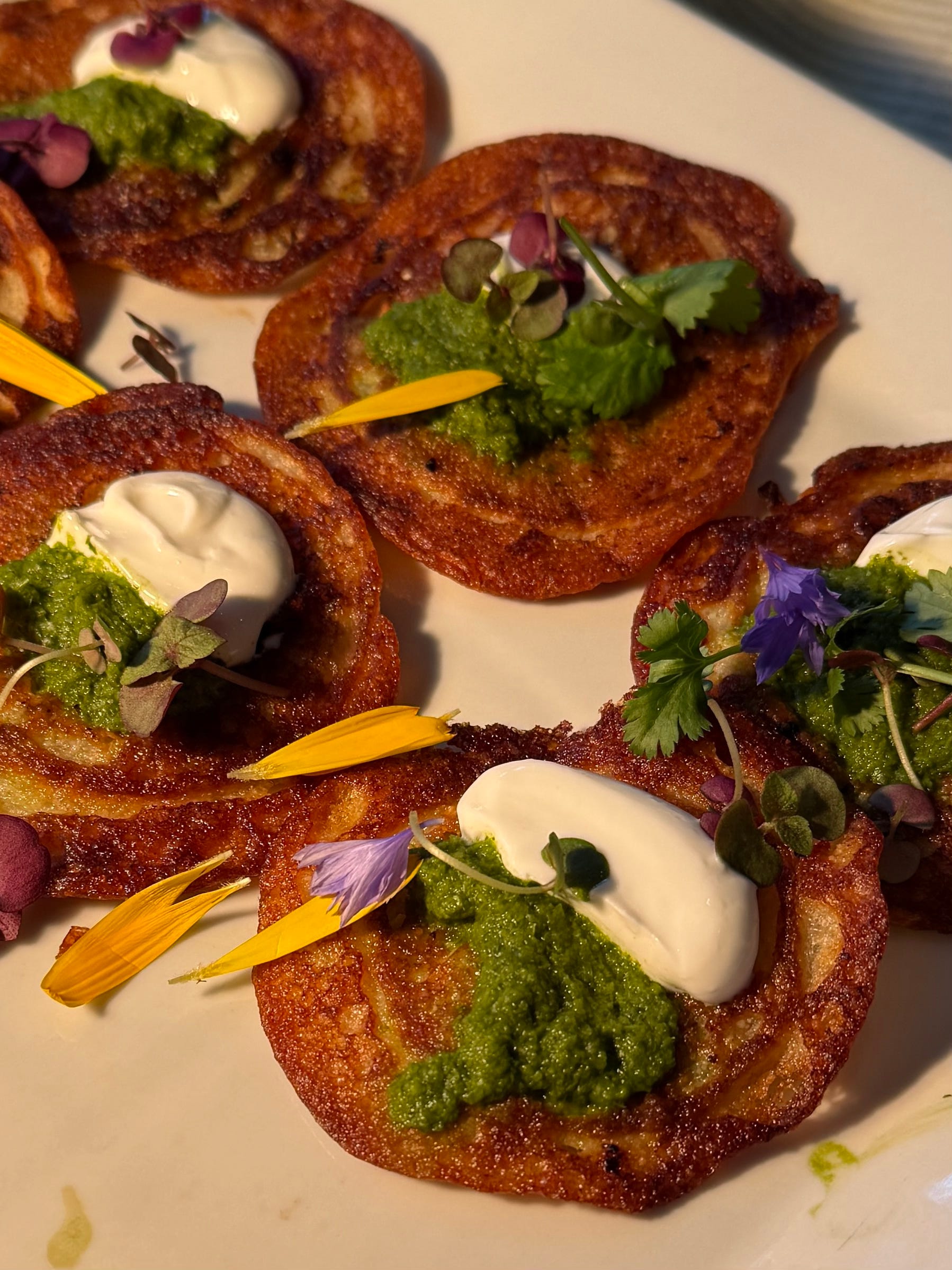
That feels especially important when we think about children.
Before children learn nutrition facts, they learn whether food feels welcoming.
Perhaps that is where lifelong health begins.