

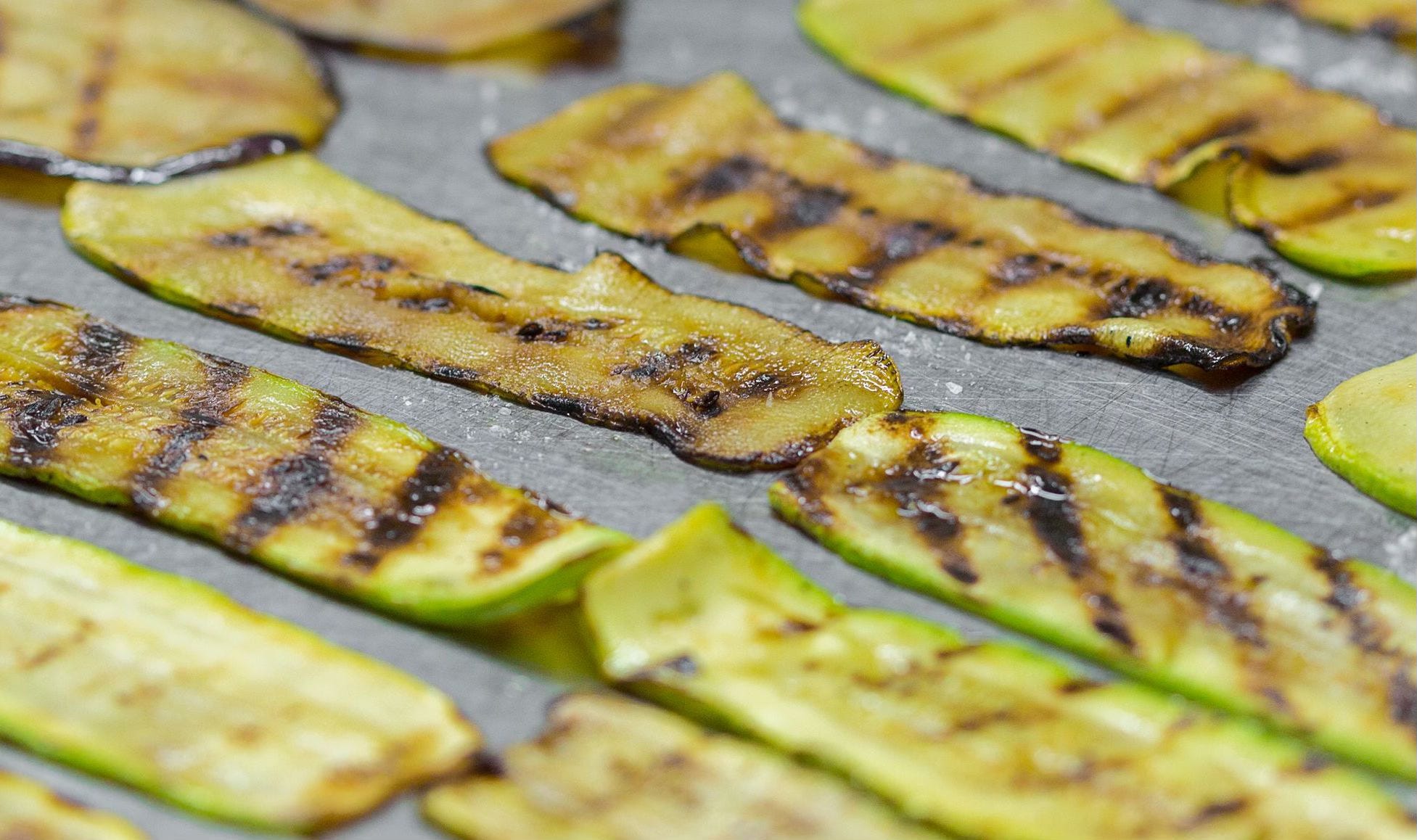
Given space and heat, zucchini browns and holds its shape. That shift in texture often changes how a child experiences it.
Zucchini is one of those vegetables many adults learned to dislike before it ever had a fair chance.
For me, it was the version I grew up with; overcooked, mushy, and slightly slippery. Pale green rounds that tasted like very little and lingered on the plate. It was just disappointing. Over time, zucchini became a food I avoided.
It was not until much later that I tasted grilled zucchini slices with browned edges. Stuffed zucchini flowers in Italy. Long, twirled zoodles that held their shape. Suddenly, zucchini had texture and a purpose.
When our own children were young, I found myself reaching for zucchini again. Not hidden in muffins or baked into bread, but sliced, grilled until crisp, and finished with Parmesan. The shift was simple, but it made a difference. The texture held and the flavor deepened. To my surprise, the kids loved it.
Zucchini is abundant in summer. It grows fast, grows big, and shows up whether you are ready or not. Garden zucchini famously outpaces demand and neighbors offer it generously. People joke about running out of ways to use it. Zucchini’s abundance is rarely the issue. How it is prepared usually is.
Zucchini does not compete for attention. It supports other flavors and carries seasoning well. It changes completely depending on how it is cut and cooked. That responsiveness makes zucchini one of the most useful vegetables for practicing taste literacy at home. In French kitchens it even carries a different name: courgette - same vegetable, different framing. Sometimes the difference between a rejected vegetable and a welcome one is not the ingredient, but how it is presented at the table.
For children, zucchini is mild and easily overcooked. That combination can make it less appealing at first. When it is introduced thoughtfully, structure matters.
This week’s One Flavor, Six Paths looks at zucchini as a mild, adaptable food that responds clearly to technique. Not hidden or overcooked but prepared with attention. Zucchini is a practical food for practicing technique because small adjustments produce visible results.
Sometimes a food does not need replacing. It needs better handling. This is exactly why zucchini is worth revisiting.
Why This Flavor Matters
Zucchini matters because it shows up often, and children form impressions quickly.
It grows quickly. It appears in gardens, CSA boxes, and grocery stores all summer long. Families are likely to have it regularly in their kitchens. When a food shows up often, the experience children have with it shapes their expectations.
Zucchini is mild in flavor and high in water content. That makes it flexible as an ingredient. It also makes preparation critical.
When sliced thin and cooked at low heat, zucchini releases water and steams. The texture softens quickly and can become slippery or mushy. Many adults remember that version, and children notice texture immediately. If zucchini feels slippery or mushy, they often back away before flavor has a chance to register.
When zucchini is cut thicker, given space in the pan, and cooked over higher heat, something different happens. Water evaporates, the surface browns, and the edges hold. Flavor concentrates slightly and becomes savorier. The same vegetable, now with firmer edges and more body, feels structured. One reason zucchini works well in family meals is that it can be structured inside familiar dishes.
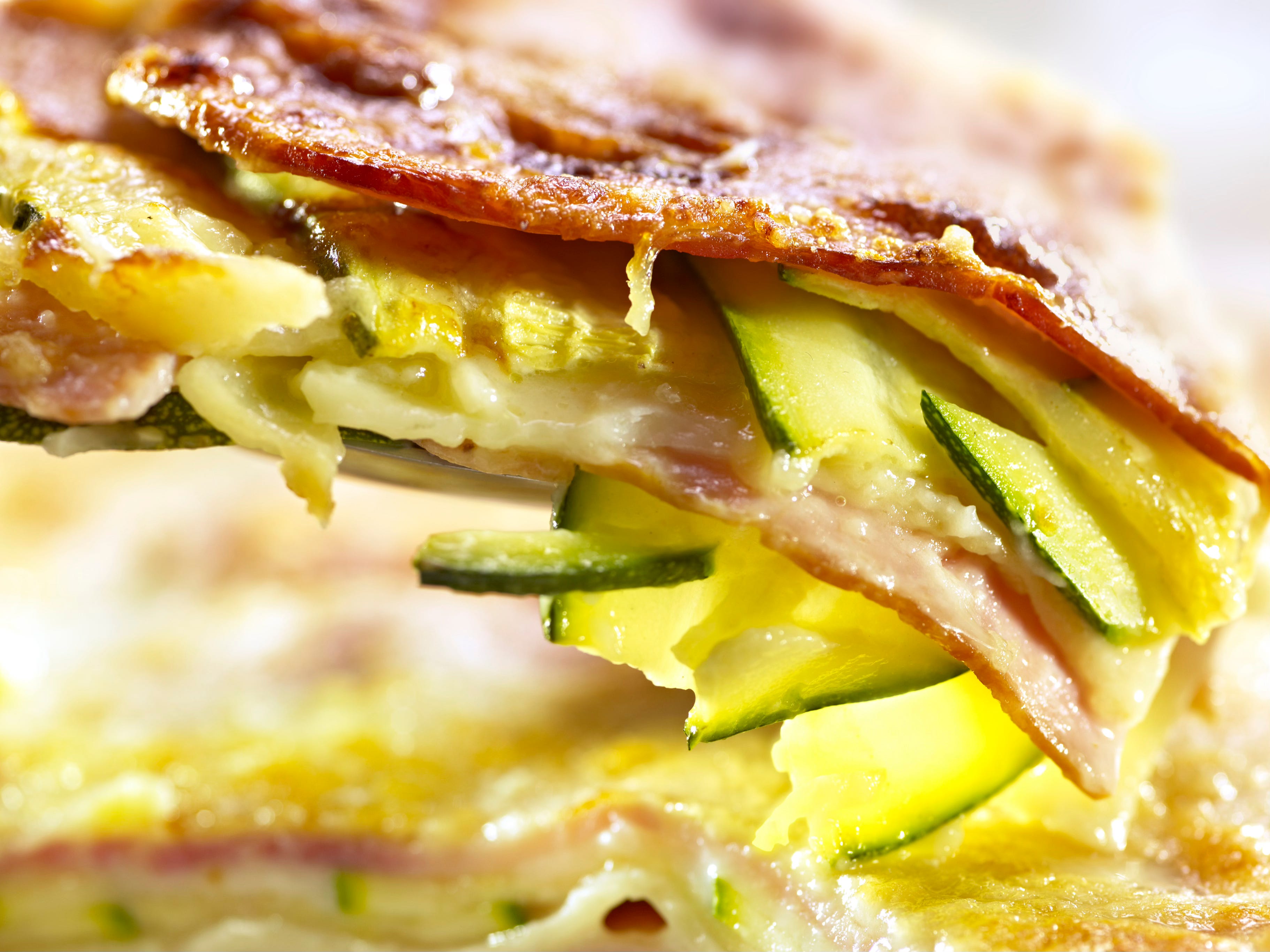
When zucchini is layered into a structured dish, it stays visible while supported by familiar flavors.
Children are learning flavors and how foods behave. From a pediatric culinary medicine perspective, zucchini illustrates how preparation shapes learning. Children notice that the same vegetable can feel firm when grilled and tender when roasted. Preparation changes their experience.
Zucchini pairs easily with olive oil, garlic, tomato, lemon, herbs, yogurt, and a variety of cheeses. It supports flavor scaffolding without competing with other foods. When texture is stable and flavor is clear, children are more likely to remain engaged. That engagement is not random. It is predictable developmental patterns.
Pediatric Culinary Medicine Insight
Zucchini highlights something many parents observe. Children respond differently to the same food at different stages.
There are natural periods when acceptance of flavors is higher and others when reluctance increases. Food neophobia typically peaks in the toddler years. It is a normal phase of caution around unfamiliar foods.
What is discussed less often is how preparation influences that response. Culinary windowing connects developmental timing with specific preparation choices. When reluctance to tasting new foods is higher, preparation matters more. Instead of repeatedly offering a vegetable and hoping for acceptance, we adjust how a food is prepared to reduce unnecessary sensory triggers and friction. Repetition still matters, but repetition of a preparation that makes sensory sense matters more.
Zucchini is a clear example.
Because it is high in water, it softens quickly when cooked without structure. During peak neophobia, that instability may trigger hesitation or rejection. Thicker cuts, higher heat, space in the pan, and browned edges help zucchini stay firm. Firmness feels predictable. Predictability reduces the child’s resistance.
Culinary windowing does not override development. It reduces avoidable friction.
It is not only about offering zucchini again. It is about preparing it in a way that matches your child’s stage. Small adjustments in cut, heat, and moisture control change how the food is experienced. When sensory triggers are reduced, opportunities for tasting stay open.
When preparation aligns with your child’s stage, engagement is more likely to follow. That steady engagement is how taste literacy develops over time.

Changing the cut changes the experience.
Levels of Flavor Confidence
The three levels describe how children approach new tastes. They reflect confidence, sensory tolerance, and familiarity. Zucchini makes these levels visible because its texture shifts dramatically depending on preparation.
The Six Path framework below offers clear examples for each level. Notice which pattern feels familiar at your table. Begin there.