

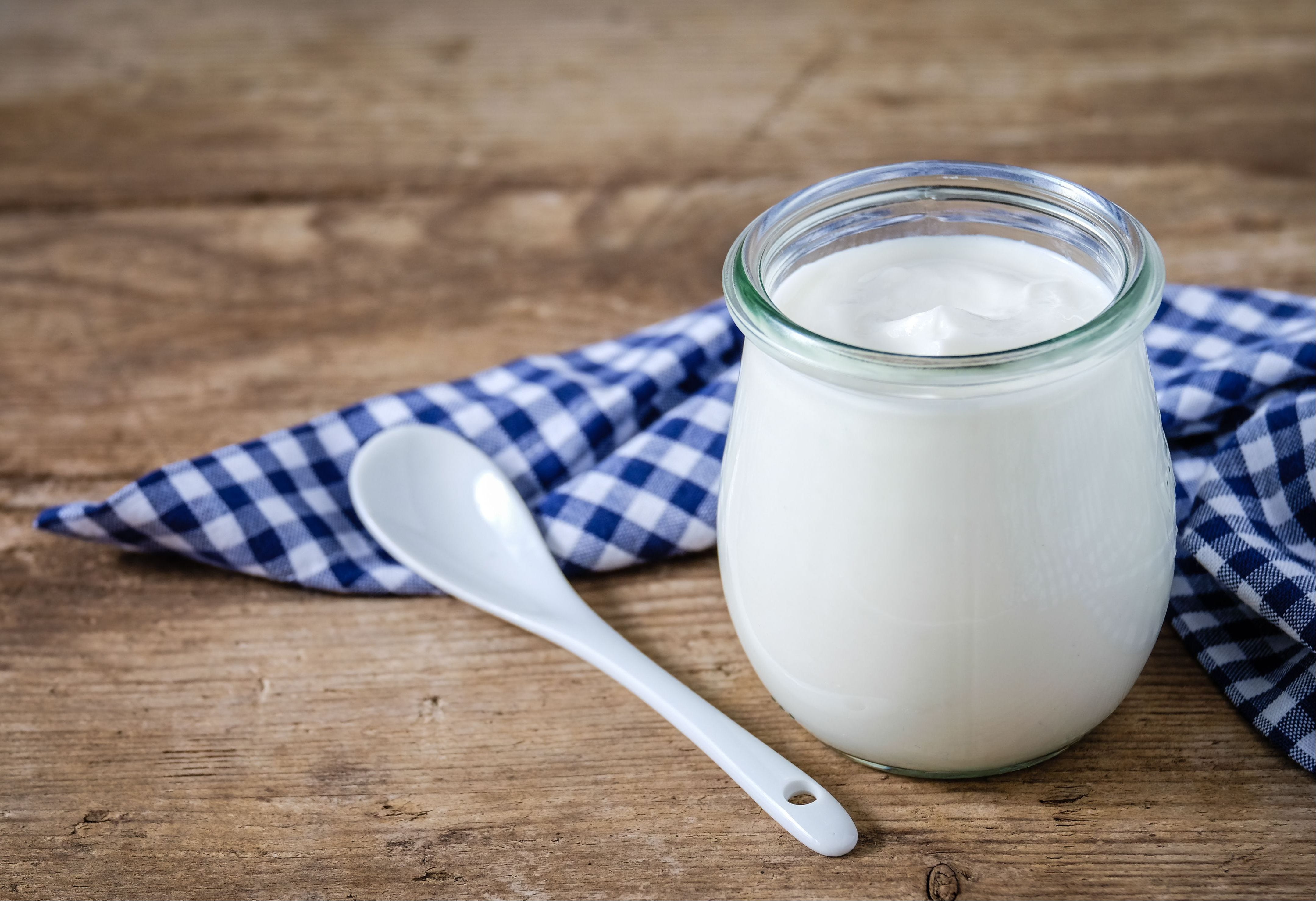
Plain whole-milk yogurt. Cool. Tangy. A steady place for your child’s palate to begin learning contrast.
As a child, I was never quite sure what to make of yogurt. Sometimes it was sweet. Other times it was sharply sour. Thick one day, runny the next. Plain or flavored. Artificial or real fruit. It felt inconsistent, and I did not yet have the language to understand why.
Yogurt returned steadily to my life in college. I would stir plain yogurt with honey and Grape-Nuts, sometimes adding wheat germ. It felt steady and easy during long days or nights of studying.
This was the era of low-fat everything. SnackWell’s cookies filled grocery shelves. Full-fat dairy was harder to find, and most of us trusted what was marketed as healthy.
Years later, traveling abroad, I tasted yogurt differently. It was thick, cool, and gently tangy, often with 4.5 to 5 percent milk fat. It did not need sweetening. It felt complete on its own.
Children often respond to that same steadiness. A spoonful of something cool and cohesive can settle a meal. Parents notice the shift when a child reaches for it first. The meal settles.
Plain whole-milk yogurt is easier to find today. Unsweetened, it can stand alone or accompany savory foods without added sugar.
After six months of age, yogurt can be offered in small daytime portions as part of early allergen introduction. For older children, it often becomes a steady anchor at the table.
This week, we look at how plain whole-milk yogurt builds taste literacy through richness, tang, and steady repetition.
Why This Flavor Matters
Plain whole-milk yogurt plays an important role in early flavor learning because it teaches two sensations at the same time: richness and brightness.
Richness comes from fat. Tang comes from fermentation.
Many foods offered early to children are sweet or neutral. Yogurt introduces contrast. The palate learns that flavor can have depth without relying on added sugar.
Milk fat carries flavor across the tongue and creates a smooth, steady texture. For children who hesitate with mixed or unpredictable foods, this consistency matters. It holds its shape on the spoon, letting the mouth know what to expect.
Tang activates sour receptors and builds familiarity over time. Repeated exposure helps the brain categorize sourness as recognizable. This gustatory priming prepares children for certain fruits, fermented foods, and savory dishes later.
In everyday meals, yogurt offers flexibility in how that learning unfolds.
Yogurt also offers flexibility in the kitchen. It can be served plain, placed beside savory foods, or incorporated into sauces without masking its tang. Each variation builds recognition while maintaining steadiness. When choosing yogurt, glance at the ingredient list. Ideally, it should contain milk and live cultures. Some “plain” yogurts include added stabilizers or sweeteners that soften texture and tang before your child ever tastes them.
For babies beginning solids after six months, unless contraindicated, plain whole-milk yogurt can be introduced in small portions. Its nutritional value matters, but its sensory experience may be even more important. Whole-milk yogurt also provides concentrated protein, contributing to its steady, satisfying quality. It teaches the palate how richness and brightness function together.

Early exposure is often exploratory. Small amounts. Daytime. Calm observation.
For older children, yogurt often serves as a steady base at the table. When a familiar food provides steadiness, children are more willing to remain engaged with what sits beside it.
Over time, that is how exploration grows. Yogurt supports that process in specific ways.
Pediatric Culinary Medicine Insight
From a pediatric culinary medicine perspective, plain whole-milk yogurt introduces two foundational flavor experiences at once: richness and tang. Learning to interpret both together helps children experience contrast in a steady way.
Fat provides sensory steadiness. Whole milk fat gives yogurt body and thickness. Greek-style yogurt is strained and thicker, with a denser texture and higher protein concentration. Traditional yogurt is looser. Either supports flavor learning; the difference lies in how firmly the texture holds and how tang is delivered. That consistency creates predictable mouthfeel. For children who hesitate with mixed textures or bold flavors, this reliability matters. Fat also softens how sharply sourness is perceived, allowing the brain to register tang without feeling surprised.
Tang builds early familiarity with sourness. The gentle acidity in yogurt activates sour receptors and gives the palate practice interpreting brightness. Because the sourness is carried with a thick, cohesive texture, it is less abrupt than sharper acidic foods. Repeated exposure helps children recognize sourness as manageable and safe.
Allergy awareness with calm introduction. Cow’s milk is a common early allergen. For babies beginning solids after six months, yogurt can be offered in small amounts as part of typical allergen introduction, unless advised otherwise by their pediatrician. Most children tolerate yogurt well. Fermentation slightly lowers lactose content, which is why many children tolerate yogurt better than milk. Introduced thoughtfully and observed calmly, it supports both nourishment and sensory learning.
Preparation continues to shape the experience. A chilled spoonful tastes brighter. Allowing yogurt to rest briefly at room temperature softens that edge. Serving it beside warm grains or vegetables lets children experience contrast without losing predictability. Small culinary shifts build familiarity step by step.
Levels of Flavor Confidence
Many parents feel unsure about yogurt for two different reasons.
Some children hesitate at the first taste of tang. The sour note feels sharp and unfamiliar. Others are comfortable with yogurt, but only when it tastes sweet.
That tension reflects the culture children are growing up in. Most yogurts on store shelves are pre-sweetened before a child ever lifts a spoon. Fruit-on-the-bottom. Vanilla swirled in. Added sugar softening the tang.

For many children, yogurt first arrives sweetened. That early experience influences what the palate expects next.
When sweetness leads, the palate does not get much practice interpreting sourness on its own.
Plain whole-milk yogurt offers something different. It introduces richness and tang together, without sugar masking either one. Its fat steadies the mouth. Its brightness gently challenges the palate.
The Yogurt Flavor Pathway helps turn early hesitation, or over-reliance on sweetness, into steady progress you can see and feel.
These three levels guide every Flavor Pathway. These levels reflect how your child experiences contrast, not how old they are. With yogurt, confidence often depends on how the palate learns to interpret tang without expecting sweetness to lead.
Below, you will find six gentle paths that guide your child from noticing sourness to comfortably holding brightness and richness together.