

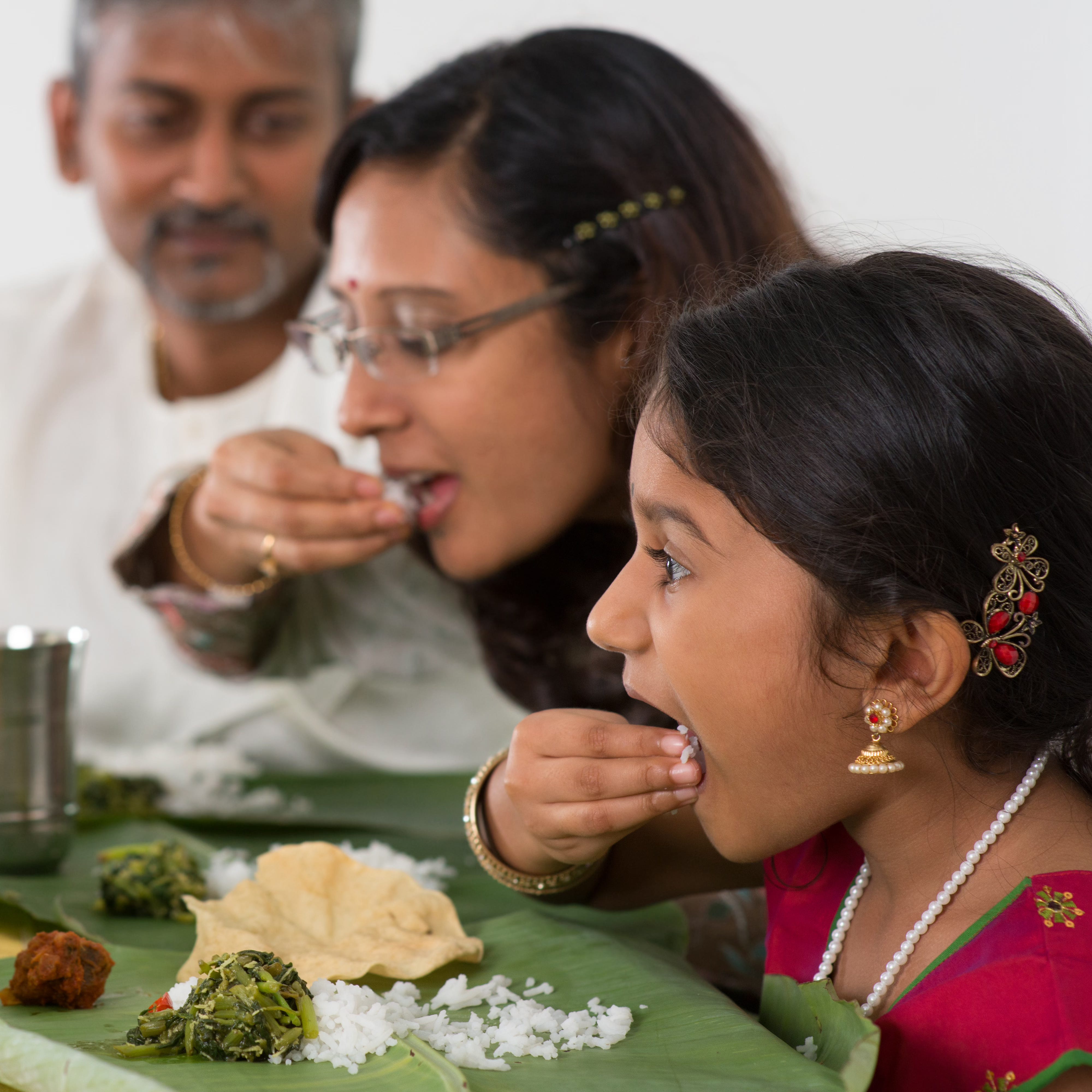
A familiar food across cultures, rice shows up early and often, helping children learn what to expect at the table.
The soy sauce bottle always felt a little too big for my hands.
I would tip it carefully over a small bowl of white rice at our local Chinese restaurant, watching the dark liquid spread and disappear into the grains. Sometimes too much. Always delicious. The rice would shift from soft and neutral to something deeper and more savory with just that one small change. I remember noticing it, even then. I kept going back for another bite.
At home, rice looked different. It came from a box of Ben’s Original, cooked simply and served alongside dinner. It was steady and familiar, but it stayed in the background.
And then there was Rice-A-Roni, which felt like something else entirely. Its jingle somehow made rice feel like an event, shaping what I expected before I ever took a bite.
Looking back, it was the same ingredient showing up in different ways, each one shaping how I experienced it at the table - not just how it tasted, but whether I noticed it.
Years later, rice showed up again in a very different form, stirred into a soft cereal and offered as one of our children’s first foods. It was chosen for how gentle it felt and how easy it was to offer. That was where we often began.
Today, that starting point has shifted. We think more about variety and balancing grains like oats, quinoa, or barley alongside rice. Part of that shift comes from what we have learned about naturally occurring arsenic levels in rice and how repeated, frequent intake can add up over time. Not because rice is something to avoid, but because even known foods benefit from variety.
Rice still holds that place for many families.
It remains one of the most recognizable foods we offer children. One of the easiest to return to when a meal needs to feel steady. A simple food like rice shapes what a child turns to first during the meal.
But children are not just learning to eat plain rice. They are learning what to expect from it, how it feels, and how it changes when something is added.
This is where white rice becomes more than a side dish.
It becomes a starting point.
Why This Flavor Matters
White rice is one of the few foods that feels almost universally familiar. Across cultures and generations, it shows up early, often, and without much resistance. For many children, it is one of the first foods that feels predictable. Soft, mild in flavor, and easy to accept.
That familiarity changes how children approach the meal.
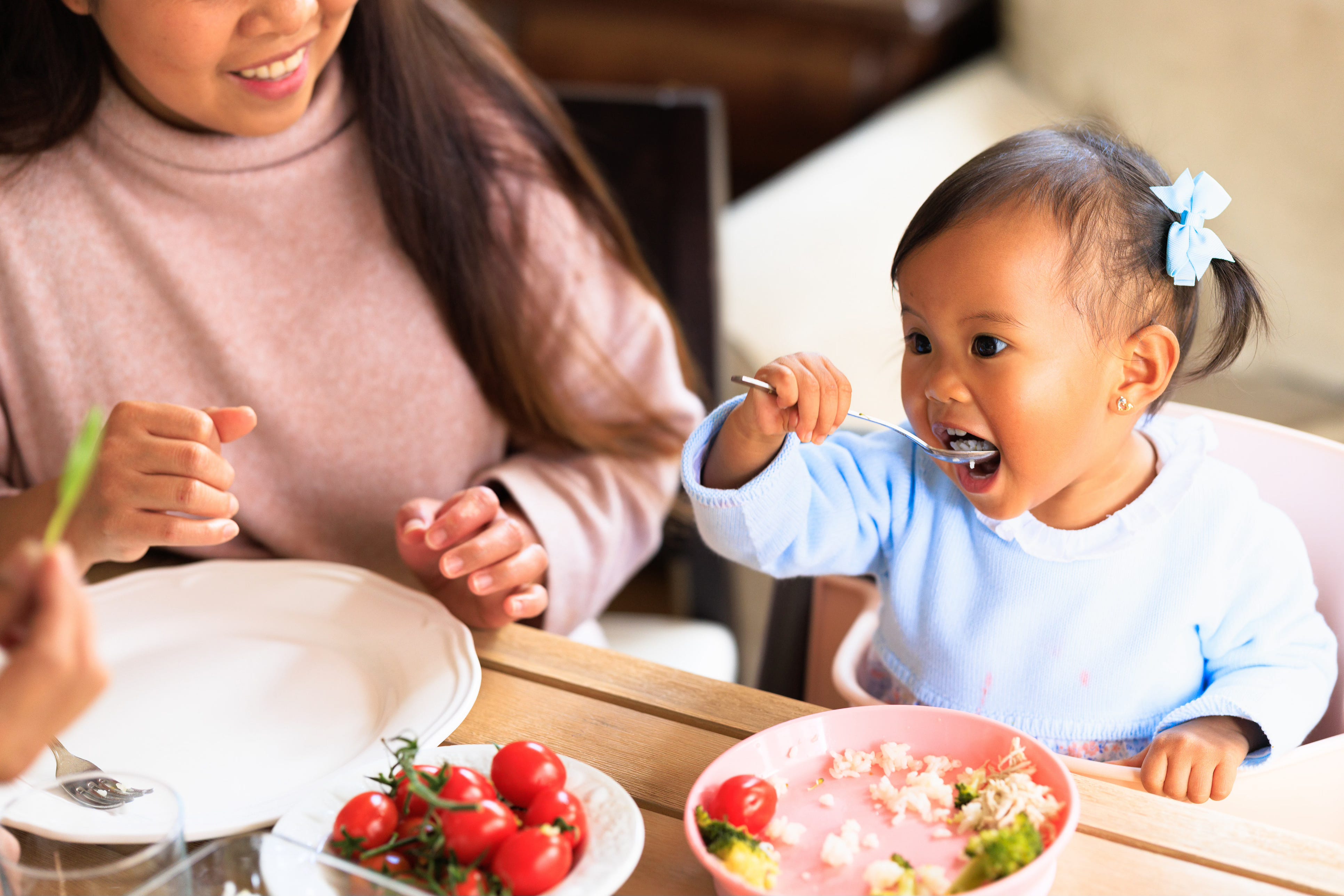
When a food feels familiar, children return to it with ease. That repetition is where learning begins.
When a food feels steady, children approach it differently. They are more willing to stay with it, to take another bite, to return to it at the next meal. That sense of ease gives you a starting point that other foods may not offer.
White rice, often described as neutral, is not without flavor. White rice carries a subtle, lightly sweet grain note with a soft aroma when warm. Its texture shifts depending on how it is prepared. It can be tender and separate, slightly sticky and cohesive, or soft enough to press easily against the roof of the mouth. These differences change how a child experiences each bite.
White rice is versatile.
It does not compete with other flavors. It absorbs what is around it. A small amount of butter softens it. Broth adds depth. A few flakes of salmon or a drizzle of soy sauce can shift the experience without changing everything else on the plate.
The base stays the same, even as the flavor shifts. That consistency makes new foods easier to accept.
It also gives parents more flexibility at the table.
When rice is accepted, the meal does not need to be completely reinvented to introduce something new. Small additions can be layered in gradually.
At the same time, white rice is worth using more intentionally.
Because white rice is so easy to rely on, it can quickly become repetitive. When it is served in the same way, meal after meal, it is no longer teaching anything new. This is where small variations help expand what it can offer.
In this way, white rice becomes more than a familiar side.
It becomes a steady place to begin, where small changes can build over time.
Pediatric Culinary Medicine Insight
White rice has long been one of the most familiar early foods offered to children. It is gentle in texture, easy to prepare, and widely accepted across cultures. For many families, it feels like a natural place to begin.
Over time, we’ve come to understand rice differently.
Rice naturally absorbs more inorganic arsenic from soil and water than other grains. Because of this, health agencies focus on how much is present in the food itself and how often it is consumed over time. Current product standards limit infant rice cereals to 100 micrograms per kilogram, which helps reduce exposure during processing.
What matters most is how often rice is served.
To guide long-term exposure, rather than focusing on a single “safe” amount, experts consider a body weight reference range. For a toddler, this translates into serving rice as part of a varied diet rather than eating it every day.
Offering rice a few times a week, in age-appropriate portions, generally keeps exposure well within a cautious range. When rice becomes a staple, day after day, exposure adds up quickly.
This is where variety becomes useful.
Children benefit from experiencing a range of grains, textures, and flavors early on. Oats, quinoa, barley, and other grains each offer different sensory and nutritional experiences. Rotating them naturally reduces cumulative exposure without requiring rigid rules.
Rice becomes one of several familiar foods at the table. A food that can be returned to, built upon, and experienced in different ways over time.
Rice also offers a practical advantage.
Its mild flavor and soft structure allow children to notice what is added to it. A splash of rice vinegar, a drizzle of broth, or a few pieces of protein can shift the experience without changing the entire meal.
In that way, rice is not just a food we offer. It gives children a familiar base for noticing flavor changes.
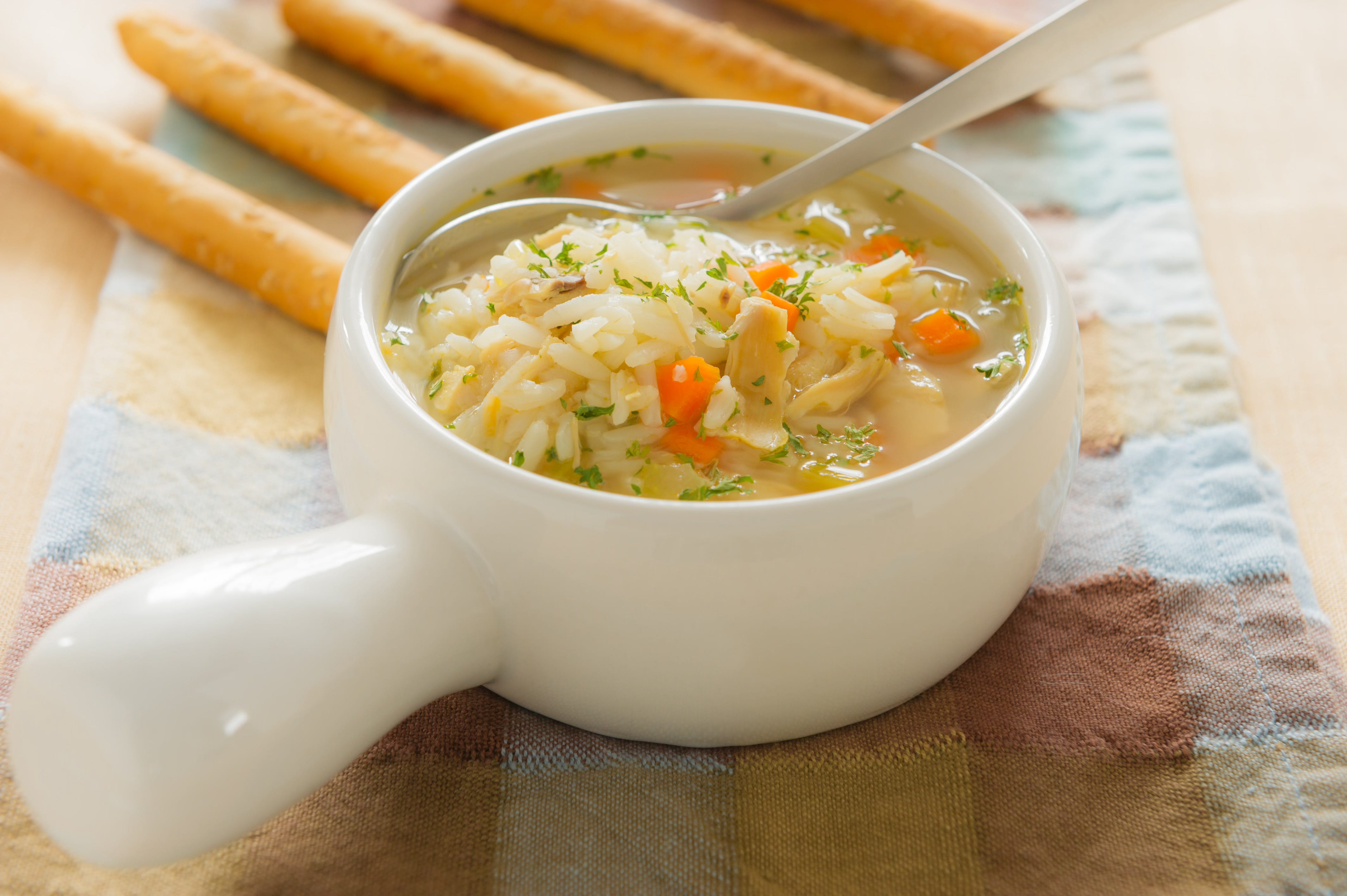
Rice quietly carries flavor, allowing small changes to shift the experience.
Levels of Flavor Confidence
The three levels in each Flavor Pathway reflect how your child approaches new foods.
With rice, these patterns are often easier to notice. Because rice is already accepted, it creates a steady starting point for observing how your child engages with what is around it.
As you read, you may recognize these levels not as steps to move through, but as patterns you may already see at your table.