

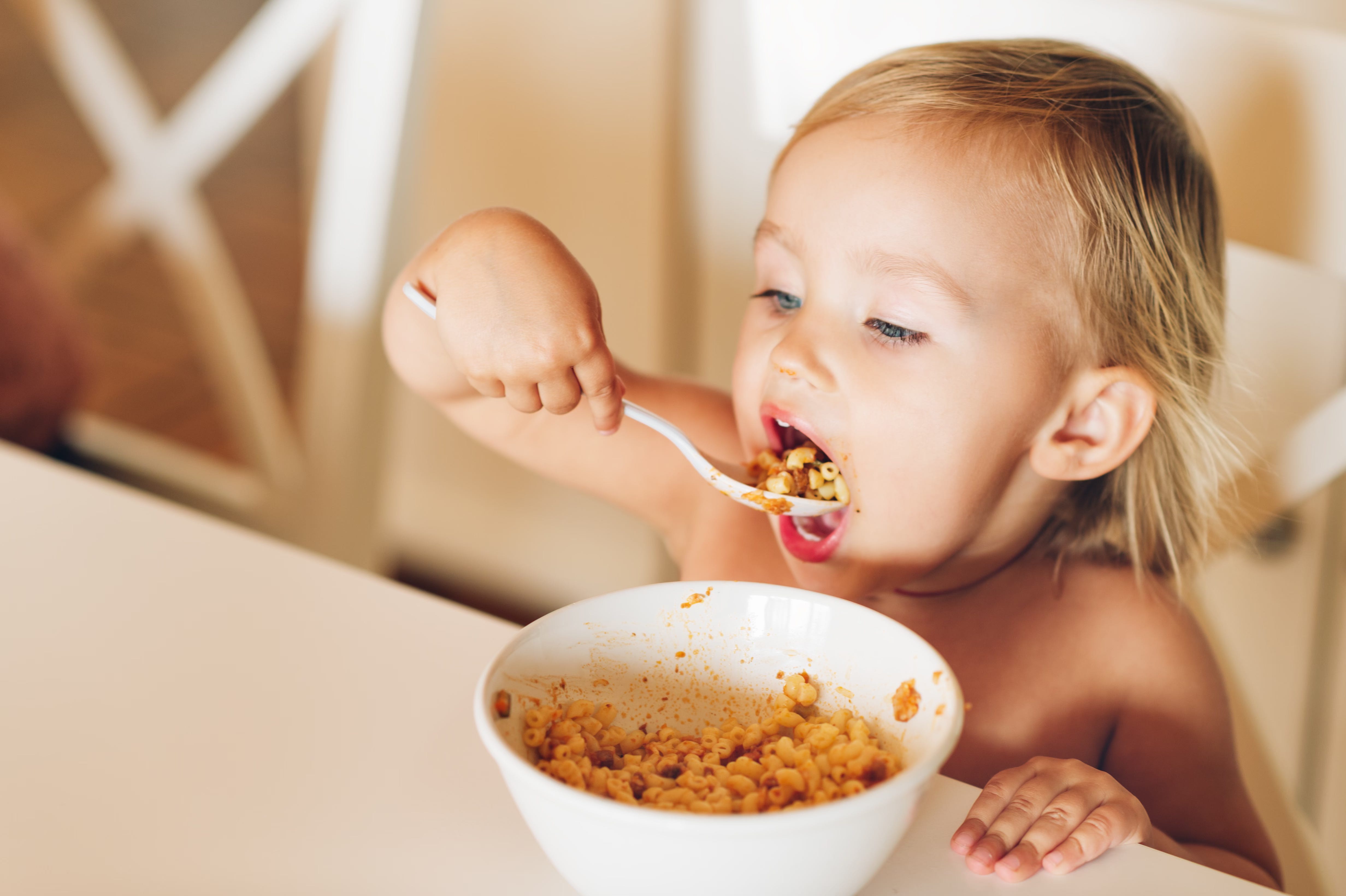
A familiar meal. A steady moment. This is where taste learning often begins.
Many parents and grandparents still remember the childhood rhyme:
Beans, beans, the magical fruit…
The more you eat, the more you toot.
The line usually ends with laughter, but it quietly shaped how many families still think about beans today.
They became something to joke about rather than something to explore.
And yet, in many kitchens, beans are one of the steadiest foods we cook.
A pot of white beans simmering with olive oil and garlic.
A spoonful of hummus spread onto warm toast.
A simple bowl of beans folded into pasta or soup at the end of the day.
These are the kinds of meals that slip easily into family life, often without much planning.
For centuries, beans have nourished families in this quiet way.
But what interests me most about beans is something different.
As a pediatrician and chef, I often notice that white beans offer children one of the gentlest ways to begin learning how flavor works.
Their taste is soft and mild.
Their texture is remarkably adaptable.
The very same bean can appear as: a creamy purée, a smooth pasta sauce, tender beans in soup, smashed beans on toast, or crispy roasted beans.
For a child’s brain, this matters.
In early childhood, texture often shapes a child’s first reaction to a food, sometimes before the brain has had time to recognize the flavor itself.
This helps explain a moment many parents notice: A child happily eats hummus yet hesitates when the same chickpeas appear whole.
The flavor is familiar.
The texture is not.
When the same ingredient appears in slightly different forms, the brain begins to connect those experiences. Over time, the flavor becomes more recognizable, even as the texture changes.
In pediatric culinary medicine, foods like this often become flavor anchors.
They appear across different meals in ways that feel familiar, allowing a child’s brain to recognize the taste while continuing to explore new textures.
White beans illustrate this beautifully.
One ingredient can move through many meals while its flavor remains steady.
Over time, that steadiness becomes something a child’s brain learns to recognize and trust.
And sometimes, that recognition begins with something very simple: a pot of beans simmering gently on the stove, ready to return again in the next meal.
Why This Flavor Matters
Beans carry a long reputation in family kitchens.
Many parents remember the childhood rhyme about beans causing gas. The humor behind that rhyme comes from something real: beans contain fibers that the digestive system breaks down slowly, sometimes producing gas as the gut microbiome adjusts.
Yet that same fiber is part of what makes beans so valuable.
White beans provide plant protein, iron, and complex carbohydrates that support steady energy. Their fiber also helps nourish beneficial bacteria in the gut microbiome, which plays an important role in digestion and overall health.
But what matters most here is something different.
White beans offer something especially helpful in the kitchen: the same ingredient can appear in many textures while the flavor remains gentle and consistent.
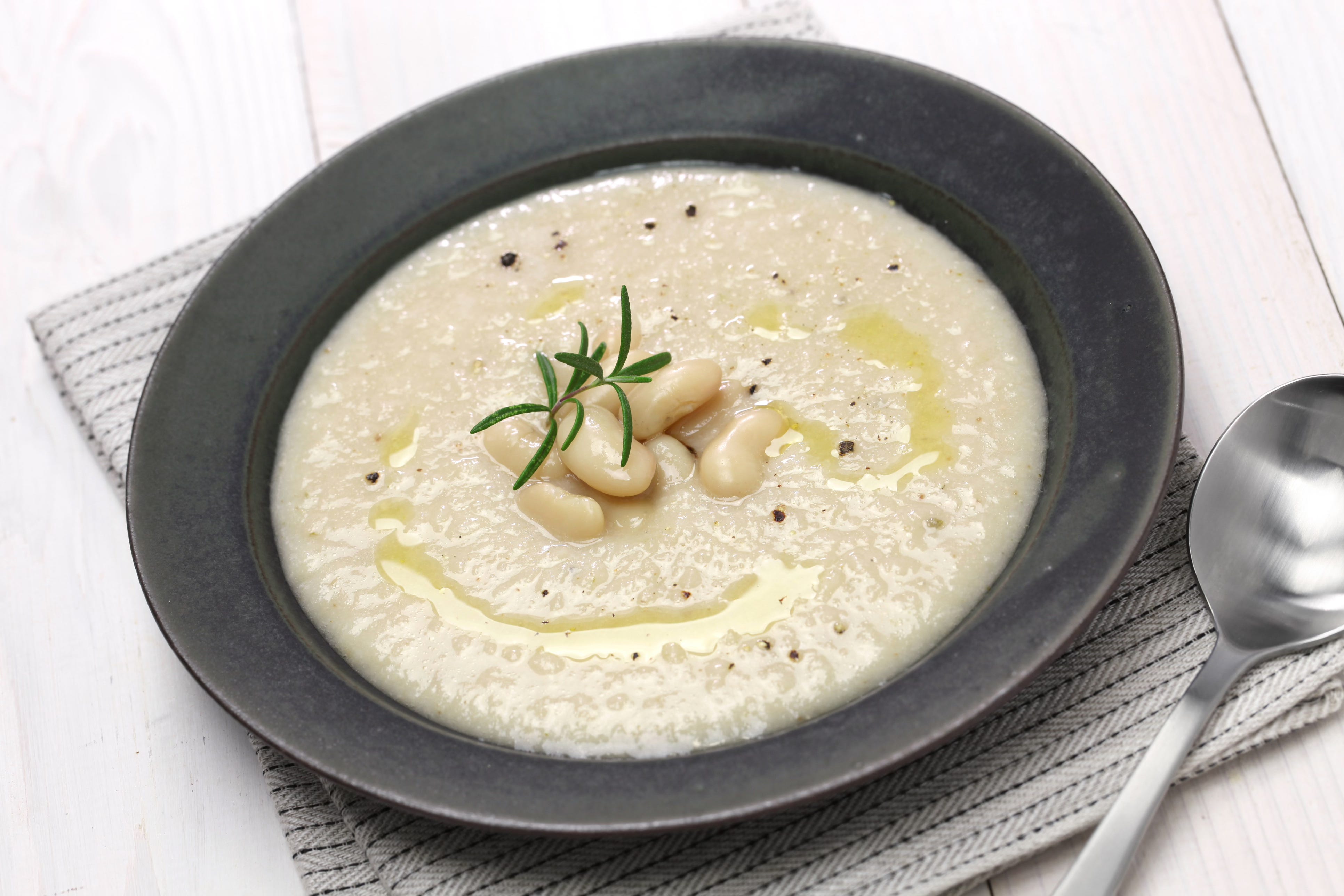
Smooth textures allow the flavor to feel calm and easy to recognize.
A child might meet white beans as a smooth purée one day, soft beans folded into soup another, or a creamy sauce stirred through pasta.
To an adult, these may feel like completely different dishes.
But for a child’s brain, the underlying flavor still feels connected.
That steadiness allows the brain to begin recognizing the ingredient itself, even as the sensory experience changes.
Over time, that recognition helps food feel more familiar.
And when food feels familiar, the table often becomes a calmer place for a child who is still learning how to navigate new tastes.
Pediatric Culinary Medicine Insight
When families talk about picky eating, the conversation often centers on flavor.
Parents worry that a child dislikes bitterness, acidity, or strong aromas. Those reactions do matter. But in early childhood, something else frequently shapes a child’s first response to a food.
Texture.
The mouth is one of the most sensitive sensory systems in the body. Long before children learn to describe flavor, their nervous system is already responding to how food feels: smooth, grainy, slippery, chewy, or crisp.
This is why a child might happily eat hummus yet hesitate when the same chickpeas appear whole in a salad. The flavor is familiar, yet the texture is not.
Moments like this can feel confusing at the table, especially when the flavor seems familiar. But they are a natural part of how children learn to interpret food.
In the kitchen, this becomes an opportunity.
When the same ingredient appears across several textures, children begin to connect those experiences. The flavor becomes more recognizable, even as the sensory experience shifts.
White beans illustrate this wonderfully.
A single pot of beans can become a smooth purée, a creamy sauce stirred into pasta, tender beans folded into soup, or beans lightly roasted until crisp. The dishes change, but the underlying flavor remains steady.
Over time, that steadiness helps a child’s brain recognize the ingredient itself.
This is part of how taste literacy develops.
Children are not simply learning whether they like a food. They are learning how to interpret flavor, texture, aroma, and familiarity as they appear across different meals.
When these experiences unfold gradually and without pressure, children often begin to approach food with greater curiosity. Not because they were persuaded to try something new, but because the flavor itself has slowly become something they recognize and trust.
Levels of Flavor Confidence
Children build familiarity with food over time.
When an ingredient appears in calm, repeated ways, it begins to feel more recognizable. That recognition helps the brain settle and makes it easier for a child to approach the same flavor again.
With white beans, this might look like a child accepting a smooth purée, then later noticing the same flavor in a soup or pasta. The texture may change, but the underlying taste begins to feel familiar.
These small moments are how taste literacy develops.
The three Levels of Flavor Confidence offer a simple way to notice where your child feels most comfortable right now – and how that familiarity is beginning to grow.
Some days your child may lean in. Other days, they may return only to what feels familiar.
Confidence with flavor is not linear. It builds through steady encounters with the same ingredient appearing in slightly different ways.
The Six Paths show how white beans can move from a smooth, familiar starting point into new textures and dishes while the flavor remains recognizable.