

Many children meet tomato flavor long before they recognize the tomato itself.
It might arrive as pasta sauce coating warm noodles, ketchup beside fries, or the red layer beneath melted cheese on pizza. Savory, slightly sweet, and comforting tomato flavor often becomes part of a child’s food world before they encounter the fruit on its own. These early experiences help children begin developing taste literacy – the ability to recognize and grow comfortable with flavors over time.
Only later do tomatoes appear in new forms: a bowl of tomato soup on a cool afternoon, a pot of chili, or a stew where tomatoes soften into the broth.

For many children, tomato first appears as pasta sauce. The flavor feels familiar, warm, and easy to return to.
The same ingredient moves through the kitchen in many textures and preparations.
Tomatoes are one of the most versatile flavors children encounter early in life. While fresh tomatoes have their place, cooked tomatoes show a broader range in family meals, from soft and mellow when simmered to deeply concentrated in sauces and pastes.
For many families, tomato flavor first appears in simple everyday meals. Jarred pasta sauces, ketchup, and prepared foods often become the earliest introductions. These foods are familiar and easy to serve, so they naturally find their way into family meals.
My own tomato story began in a very similar place.
Growing up, tomato sauce in our house came from a jar of Prego. It was a staple in my mother’s kitchen, chosen so dinner could come together quickly.
When I first met my husband, a first-generation Italian American, he gently challenged my assumption that tomato sauce had to come from a jar. Fresh tomato sauce is surprisingly simple to make and tastes entirely different from the jarred version I knew growing up.
One evening he showed me how he makes tomato sauce.
Pomi tomatoes. Fresh garlic.
Good olive oil. A few basil leaves.
Freshly shaved Parmigiano Reggiano.
The sauce simmered quietly on the stove, filling the kitchen with a bright, savory aroma. The flavor felt lively, layered, and deeply savory. The first taste had a brightness and depth I had never quite experienced before.
That moment confirmed something I had long believed about cooking: simple food can be deeply delicious.
For children learning about food, tomatoes offer something valuable. One ingredient can travel across many textures and preparations in everyday cooking.
Confidence with flavor rarely grows from a single experience. Taste literacy develops through steady encounters with familiar ingredients in different forms, not through pressure to try something new. A child’s confidence develops when the same ingredient appears repeatedly in slightly different ways.
Tomatoes simply offer many ways for a child to meet the same flavor again and again.
Why This Flavor Matters: Tomato (cooked)
Tomatoes hold a special place in many family kitchens because their flavor travels easily across many foods and culinary traditions.
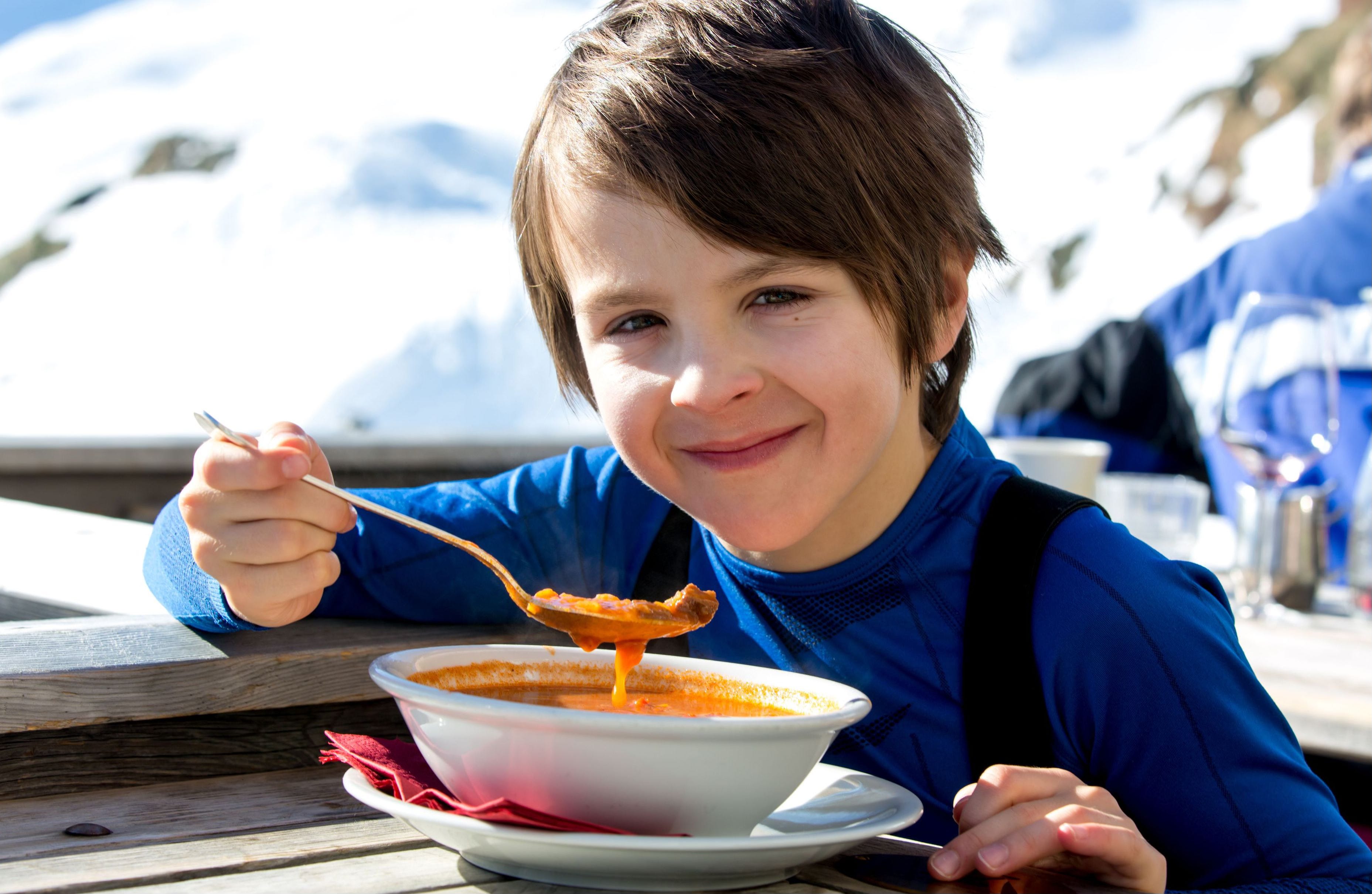
Cooked tomato in soup offers a smooth texture and gentle acidity. These early encounters help children begin to recognize the flavor across different dishes.
As children grow, tomato flavor begins to appear more clearly in family meals. A bowl of tomato soup beside grilled cheese. Beans simmered slowly with tomatoes. A pot of chili or stew where tomatoes soften into the broth.
In many kitchens, tomatoes also appear in foods like shakshuka with eggs, lentil dal, or braised vegetables where tomato quietly shapes the entire flavor. In these preparations, tomatoes are blended and balanced with other ingredients, creating textures that feel smooth and predictable. Elsewhere, tomatoes appear in curries or are roasted and spooned over toasted bread with goat cheese, olive oil, and herbs.
What makes tomatoes particularly useful in a flavor pathway is how naturally they move across textures. Fresh tomatoes are juicy and bright. Simmered tomatoes soften into soups and sauces. Cooked further, they concentrate into pastes and condiments that shape the flavor of countless dishes around the world.
Each preparation offers a slightly different experience of the same ingredient. For children, these repeated encounters help build taste literacy. The brain begins to recognize the flavor even when the texture or dish changes.
For children learning about food, this repetition matters. Flavor confidence grows when the same ingredient appears again in forms that feel steady enough for the brain to stay curious.
Tomatoes offer many opportunities for children to meet the same flavor in different forms.
Pediatric Culinary Medicine Insight
Tomatoes offer a helpful example of how flavor learning unfolds in childhood. Their bright acidity, gentle sweetness, and savory depth make them a natural bridge between familiar foods and more complex flavors.
In pediatric culinary medicine, flavor introduction can be guided through a few key ideas:
Culinary windowing helps us think about when a preparation may feel easier for a child to approach. Simple culinary techniques often make a meaningful difference. Blanching, slow simmering, blending, or pairing ingredients with fats and aromatics can soften sharper flavor edges and help a new ingredient feel easier to explore.
Microdosing for Taste Desensitization introduces a stronger flavor in very small, recognizable ways. A spoonful of tomato in soup, beans, or grains allows the palate to grow comfortable with the taste over time.
Tomatoes also illustrate the role of umami-rich foods in early flavor learning. These experiences gradually strengthen taste literacy, the ability to recognize and feel comfortable with flavors across meals. When tomatoes are cooked, their savory depth helps guide a child toward more layered flavors over time.
Together, these ideas reflect a core principle of pediatric culinary medicine. Flavor confidence develops through small, repeated experiences that feel calm and familiar enough for the brain to keep learning.
Levels of Flavor Confidence
Every child’s journey with taste is different. It is not about age. It is about growing confidence. Some children are just starting to notice new flavors. Others are cautiously trying them. Some are ready to explore more boldly.
For many parents, it can feel confusing when a child accepts one tomato dish but refuses another. This is a normal part of flavor learning. A smooth pasta sauce might feel predictable, while a spoonful of chili, curry, or chunky tomato stew can feel very different.
What matters most is not how much tomato a child eats, but how comfortable they feel encountering it in different forms.
Three levels of flavor confidence can help you notice where your child is right now and guide them forward calmly.
Early Flavor Explorer: Feels most comfortable with tomatoes that are fully blended and predictable, such as smooth sauces or soups.
Growing Flavor Adventurer: Begins to notice tomatoes within dishes, such as small pieces in sauces, soups, and stews.
Confident Flavor Taster: Engages comfortably with tomatoes across preparations, including roasted tomatoes, braised tomatoes, or other cooked forms where pieces of tomatoes are more visible.
As you read the pathways that follow, begin with the forms that already feel familiar in your kitchen. Confidence grows most naturally when a child encounters an ingredient through experiences that feel steady and recognizable.