

There’s a quiet moment the first time your child notices something green on their plate. Their eyes pause before their fork moves, or they look quizzically at you for reassurance that “green” is “safe.”
For many children, this pause isn’t resistance; it is processing. Green often signals flavor complexity that hasn’t yet been mapped as familiar in their brain. Spinach, with its soft texture and mild taste, gently gives children a way to practice that learning.
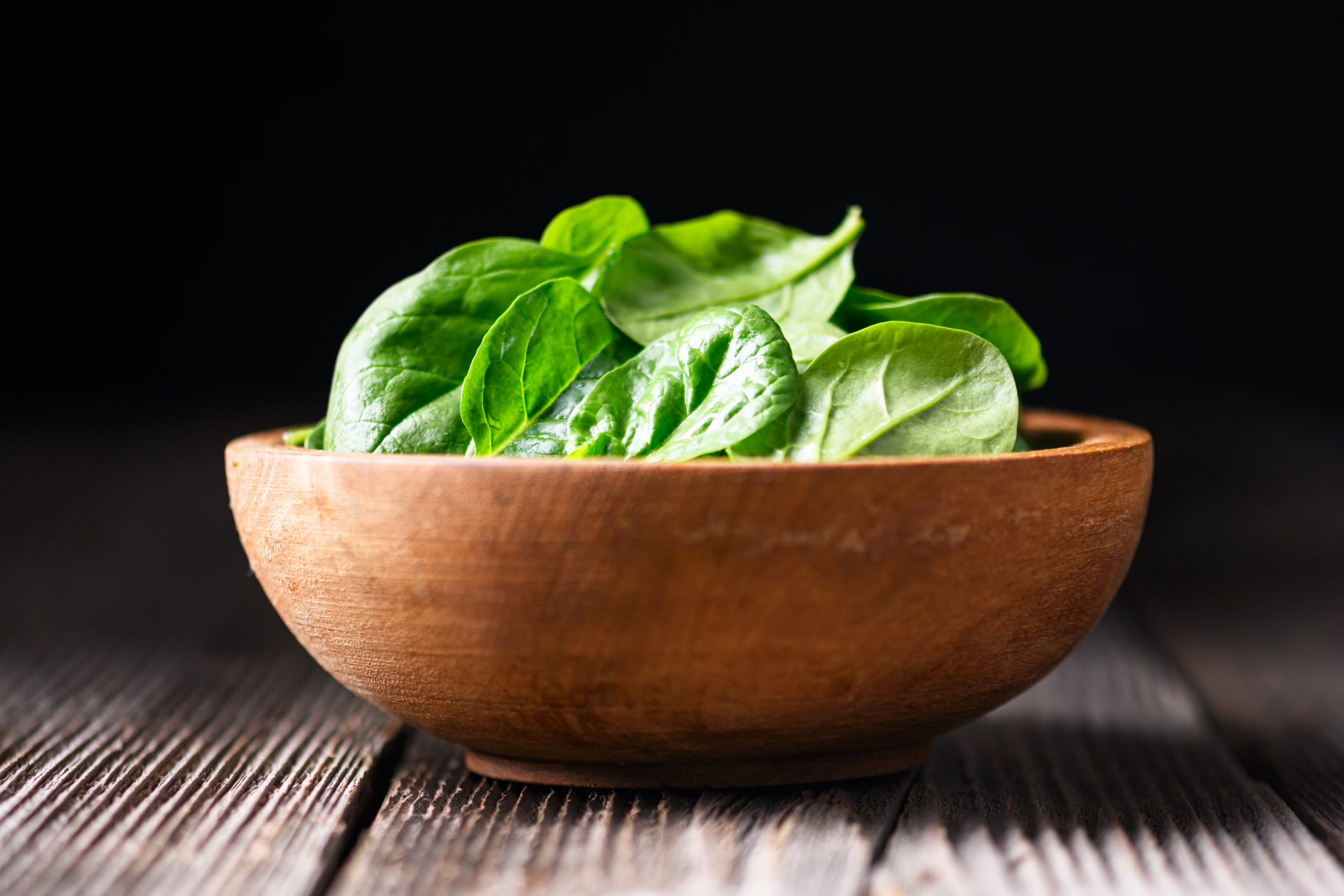
Fresh spinach leaves – simple, calm, and full of possibility.
When spinach is folded into something your child already loves, like mashed potatoes, eggs, or noodles, it stops being noticed just as a “green food” and becomes part of a calm, connected meal. Each bite connects what your child trusts with what they’re learning to trust.
At the table, offering spinach isn’t just about getting your child to eat their vegetables. It is about helping your child feel that a new color or unfamiliar flavor doesn’t mean ‘unsafe’. With steady support, your child’s confidence will grow – no matter what color the food is.
With gentle guidance, children learn that new foods can feel safe.
Why This Flavor Matters
For many children, spinach’s green color makes them pause. That hesitation isn’t rejection, it’s developmental. For many children, green takes practice. Bitter and earthy tastes are among the last flavor profiles children learn to trust. They require experience, not instinct, to feel safe being eaten.
Spinach’s mild flavor, soft texture, and adaptability make it a gentle path from curiosity to comfort. When paired with trusted flavors like apple, butter, or mild cheese, your child’s brain begins to welcome “green” as familiar.
This is gustatory scaffolding – layering comfort and novelty so that new flavors feel supported, not sudden. A spoonful of chopped spinach stirred into eggs or pasta sauce helps your child recognize continuity – “this still tastes like something I know.” Over time, that sense of continuity becomes flavor confidence.
Spinach matters in your child’s flavor journey because it:
Builds sensory tolerance by introducing gentle bitterness within calm, familiar foods.
Encourages visual and taste curiosity by showing that color change doesn’t always mean dislike.
Links comfort to new sensory cues, such as pairing “green” to warmth, aroma, and shared meals.
Expands flavor memory, teaching that calm exploration builds trust faster than pressure or reward.
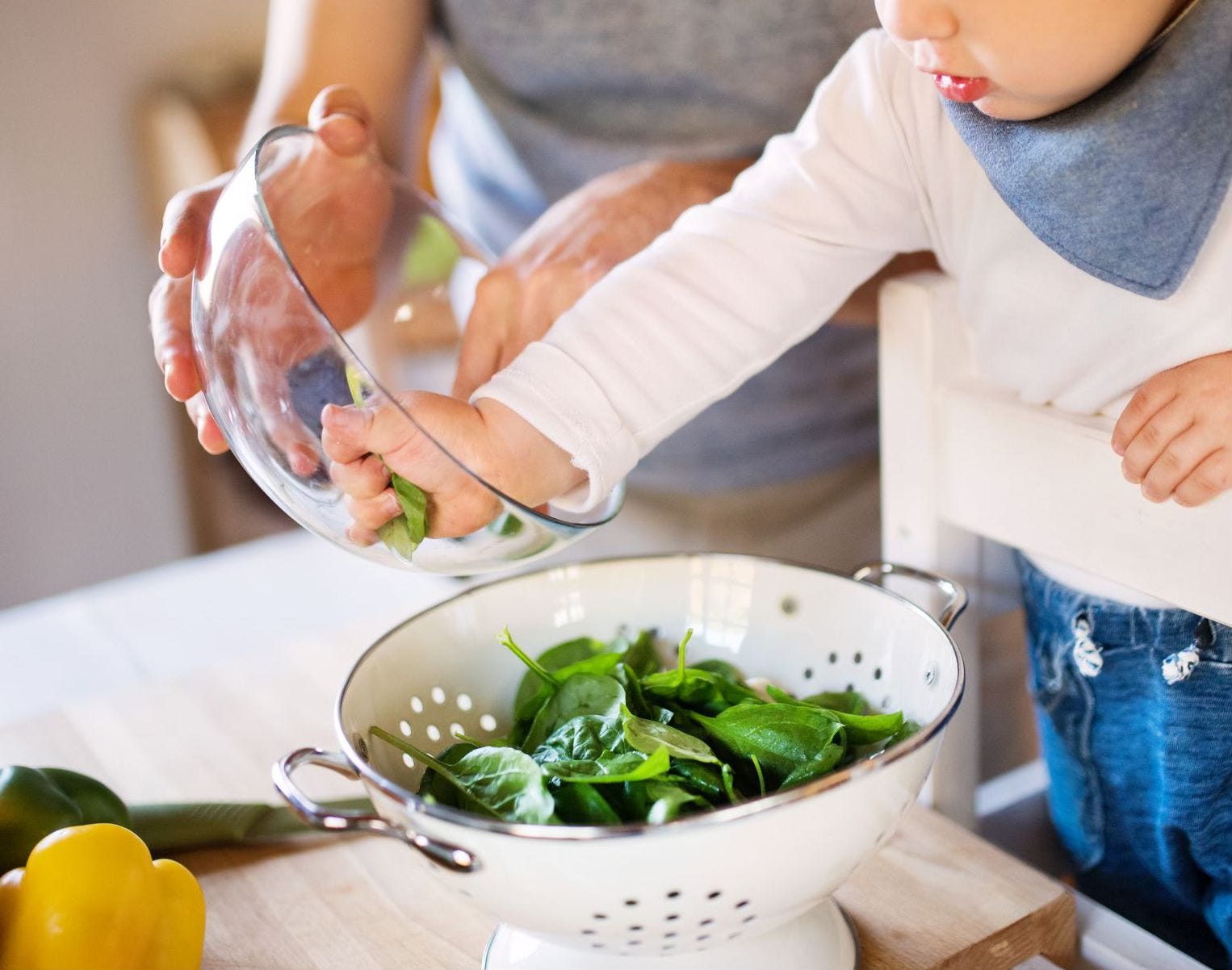
For many children, comfort begins long before the first bite. Letting them help, even just washing spinach, teaches that “green” can feel safe.
Pediatric Culinary Medicine Insight
From a pediatric culinary medicine lens, spinach offers a way for children to develop flavor confidence through guided contrast. Children become more open to gentle bitterness when it’s offered through familiar, soothing foods. Warm food and a calm tone at the table help their brain understand that “new” can still feel safe.
Bitterness as learning, not rejection. A child’s taste buds are more sensitive than an adult’s, especially to bitter compounds like those in spinach. Introducing these notes gently within soft, familiar foods, such as scrambled eggs, purées, or pasta, helps their brain categorize bitterness as “accepted” instead of “threatening.”
Neuro-flavor scaffolding. Start with mostly comfort flavors and a tiny taste of spinach – mashed potato with a hint of purée or melted cheese with a few green ribbons. Increase the amount of spinach slowly as acceptance builds. Each repetition strengthens gustatory pathways, turning uncertainty into recognition.
Lightly wilting spinach in olive oil releases nutty, savory aromas that reappear later in foods like broccoli, kale, or herbs. Blending spinach into soups or frittatas teaches that flavor and color can shift forms without losing safety.
Every variation of spinach expands your child’s flavor memory. Avoiding green or bitter foods for too long can narrow those learning pathways. Spinach reminds us that taste literacy grows through calm, supported change.
Levels of Flavor Confidence
Many parents stop offering spinach the moment their child sees something green and the whole meal stalls. “Green” can feel like the hardest color at the table – a cue for caution before the first bite.
The Spinach Flavor Pathway helps turn that pause into progress you can feel, with calm, developmentally aligned steps that guide your child from hesitation to confidence.
By now, you may recognize the three levels that guide every Flavor Pathway. These levels reflect how your child experiences new tastes – through confidence, not age. With spinach, that confidence often depends as much on color and texture as on flavor itself.
Below, you’ll find six gentle paths that transform “green and uncertain” into “green and familiar.