

Most parents underestimate how much their child notices about food. Children can detect subtle changes in flavor long before they have the words to describe them. I know that was true for me.
As a child, Parmesan meant one thing in our house. It came in the familiar green shaker can with the little rotating lid. Whenever my mom made spaghetti with jarred sauce, I reached for it. The sauce was good, but a generous shake of Parmesan made it taste better. I did not know why. I only knew it added something that made me want another bite. Looking back, I realize that I wasn’t choosing more cheese; I was responding to more flavor.
Years later, I thought freshly grated Parmigiano Reggiano brought to the table at Italian restaurants was one of the most impressive parts of the meal. It looked and felt special. When my husband and I had children, we bought a rotary cheese grater for our kitchen. Suddenly that restaurant experience was part of our dinner at home. Our children could not wait for their turn to crank the handle and watch freshly grated Parmigiano Reggiano fall into a light, fluffy mound over their pasta. The cheese mattered, but so did turning the handle. Our children were helping finish the meal, and they were very excited to do it.
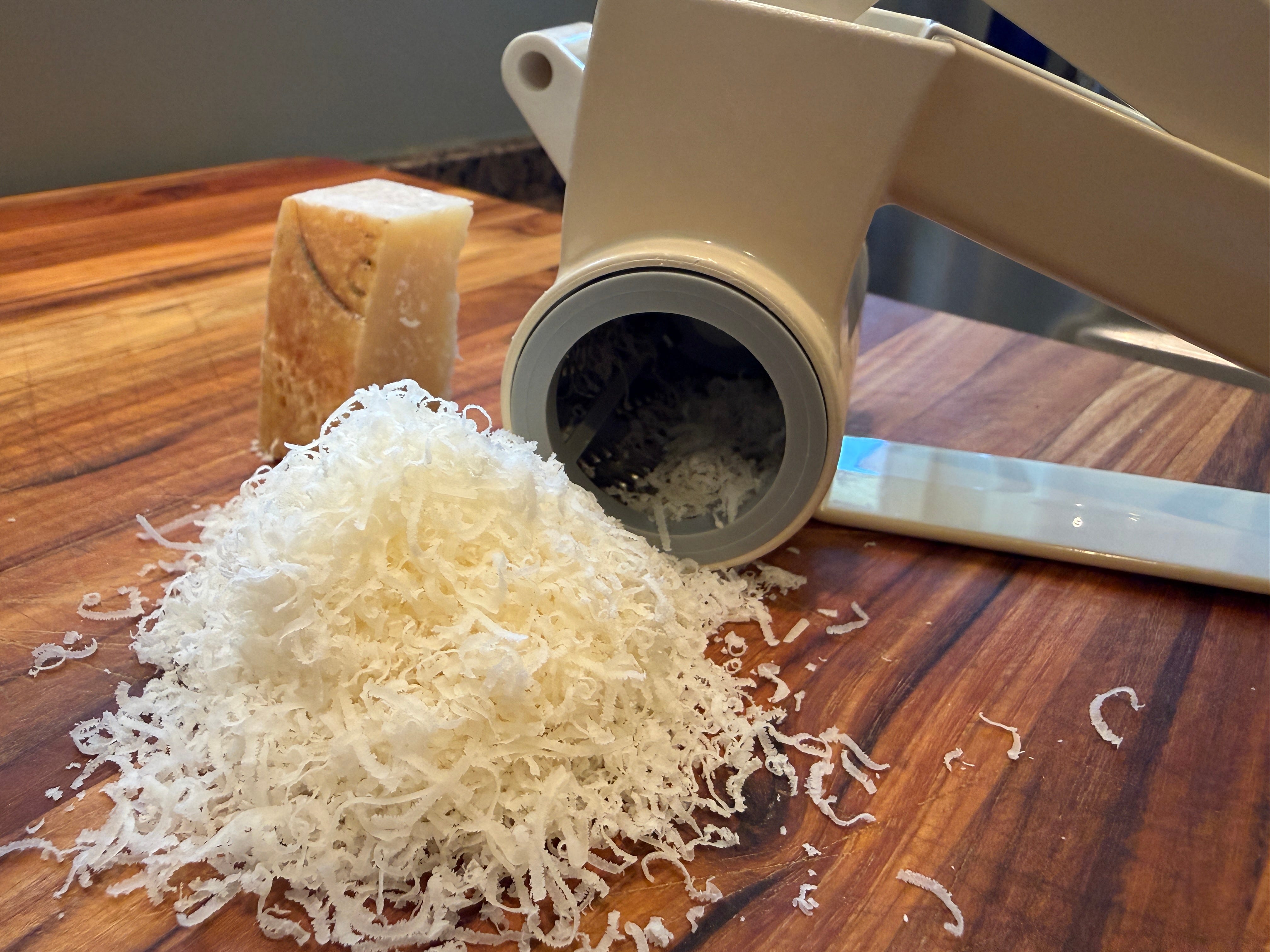
Our rotary grater turned freshly grated Parmigiano Reggiano into one of our children’s favorite ways to help finish dinner.
It took me years to understand what I had been tasting all along. I had been responding to umami, the savory taste that makes food richer and more satisfying.
Why This Flavor Matters
Parmesan is one of the easiest ways to introduce children to umami. A sprinkle can bring roasted vegetables to life, deepen soups, make beans more appealing, or help a simple bowl of rice or pasta feel complete.
Parmigiano Reggiano also offers important nutritional benefits in a remarkably small serving. During aging, it loses moisture, concentrating its nutrients, while some proteins are broken into smaller components. Very little lactose remains after cheesemaking and aging. It provides high-quality protein, calcium, and phosphorus for growing bones and teeth, along with vitamin B12 and zinc.
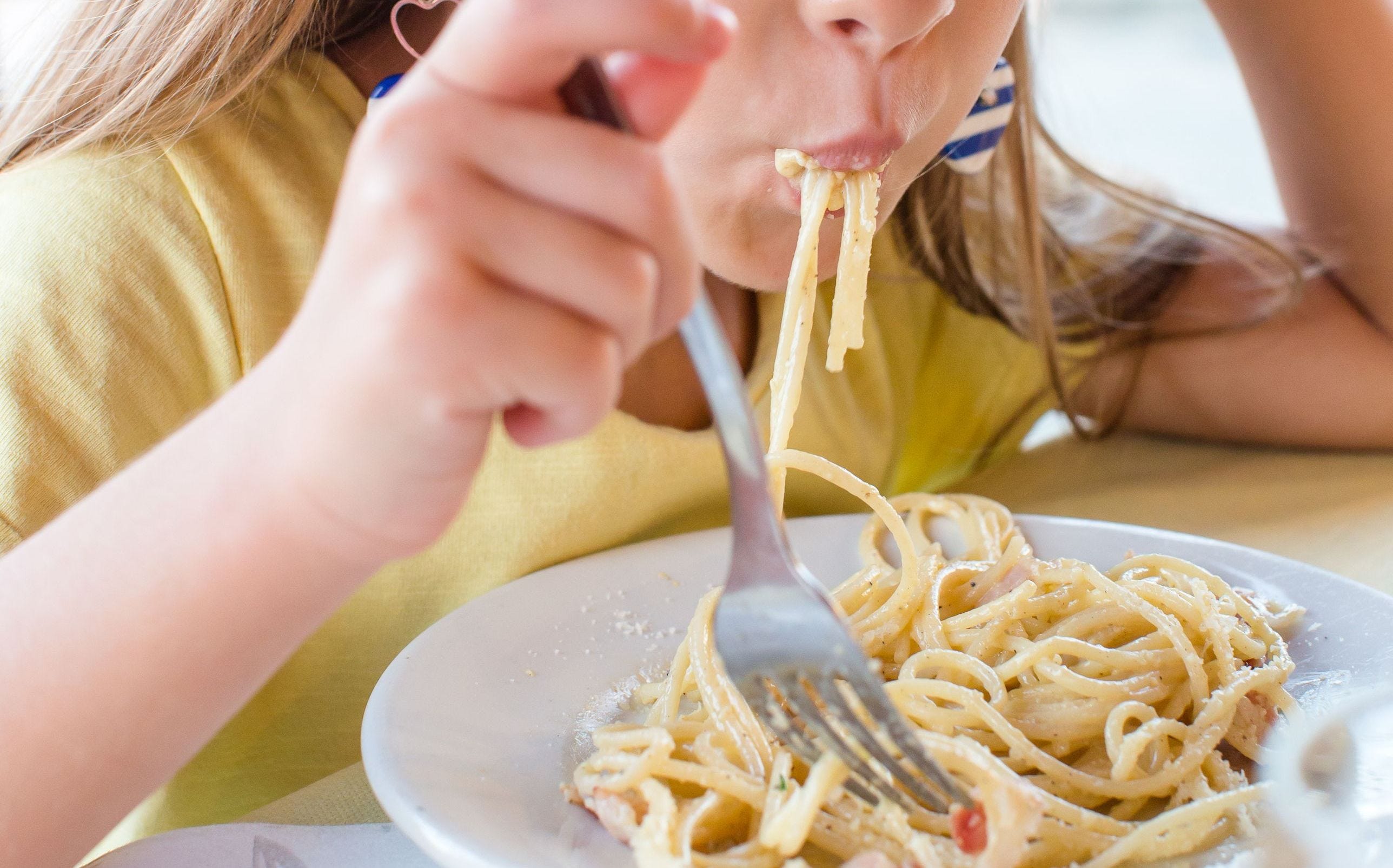
For many children, one of the first places they recognize the satisfying taste of umami is pasta.
Freshly grated Parmigiano Reggiano releases aromas that are noticed before children ever take a bite. Its light, fluffy texture melts quickly into warm foods, creating a sensory experience different from pre-grated cheese. Inviting your child to grate or sprinkle Parmesan themselves gives them an active role in your meal. Depending on their age, offer a small spoon so they can decide how much to add from an appropriate portion.
Pediatric Culinary Medicine Insight
Children build flavor recognition through repeated experiences across different foods. They notice how flavors change when ingredients are added, combined, or prepared in different ways.
Parmesan is an ideal example because it changes a meal’s flavor without changing the meal itself.
Every time a child experiences broccoli with Parmesan, tomato soup finished with Parmesan, or freshly grated Parmesan over pasta, their brain strengthens connections between familiar foods and satisfying savoriness. This is neuro-flavor mapping. Over time, those repeated experiences strengthen an internal flavor map that makes a wider variety of foods feel more recognizable.
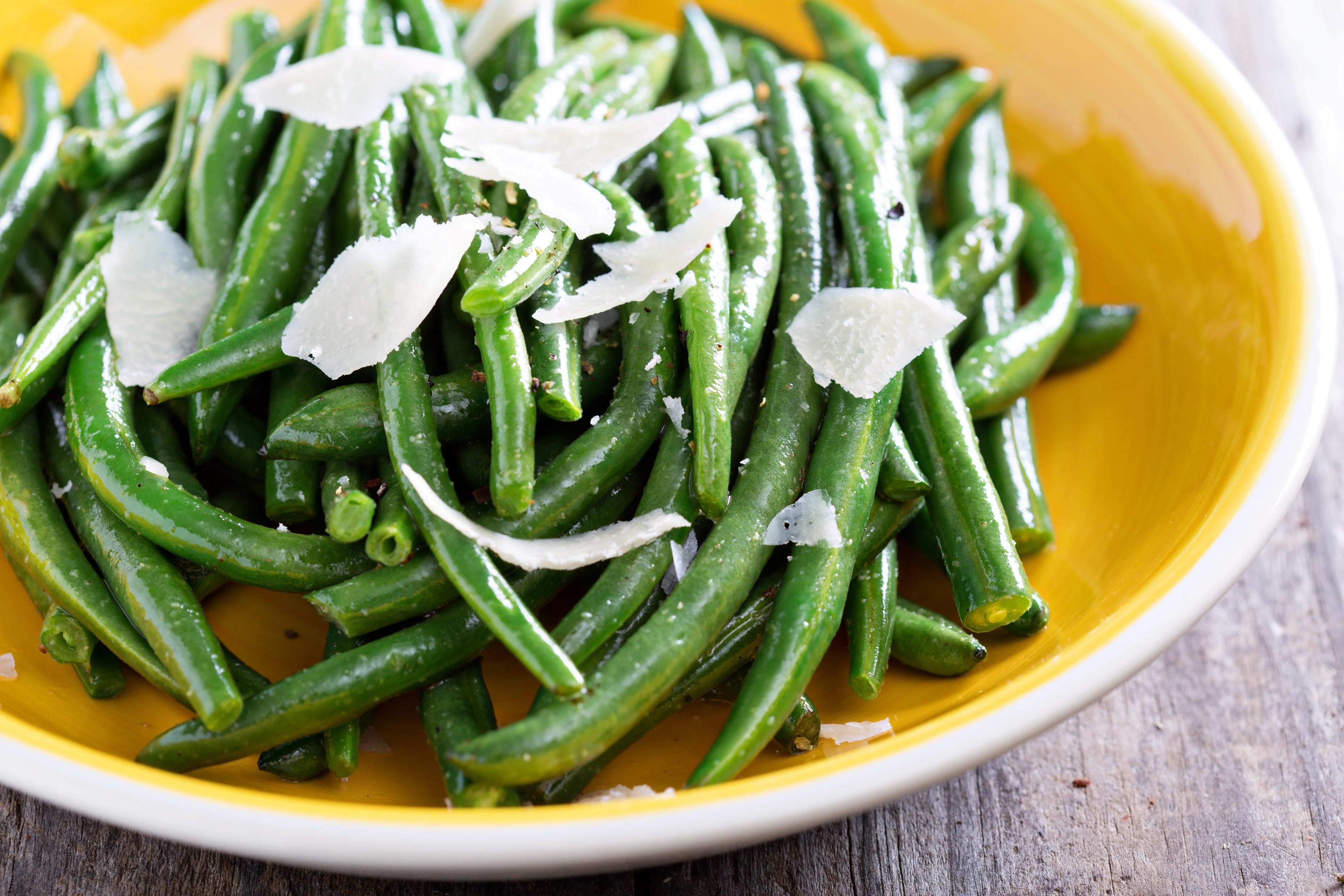
The same Parmesan can deepen vegetables, soups, grains, and pasta, helping children build connections across familiar foods.
Introducing naturally umami-rich ingredients early in a child’s food journey can help establish savoriness as a familiar and enjoyable taste. Parmesan illustrates this umami-first exposure pathway. Rather than using Parmesan to disguise vegetables or convince a child to eat something they may not like yet, it helps introduce those foods by highlighting their most appealing qualities. Parmesan allows children to experience vegetables, beans, soups, and grains alongside a recognizable savory flavor.
Over time, children recognize that different ingredients have different jobs. Lemon brightens. Herbs freshen. Olive oil rounds flavors. Parmesan adds savory depth. Recognizing these roles helps children understand why foods taste the way they do and gives them more ways to enjoy a greater variety of foods.