

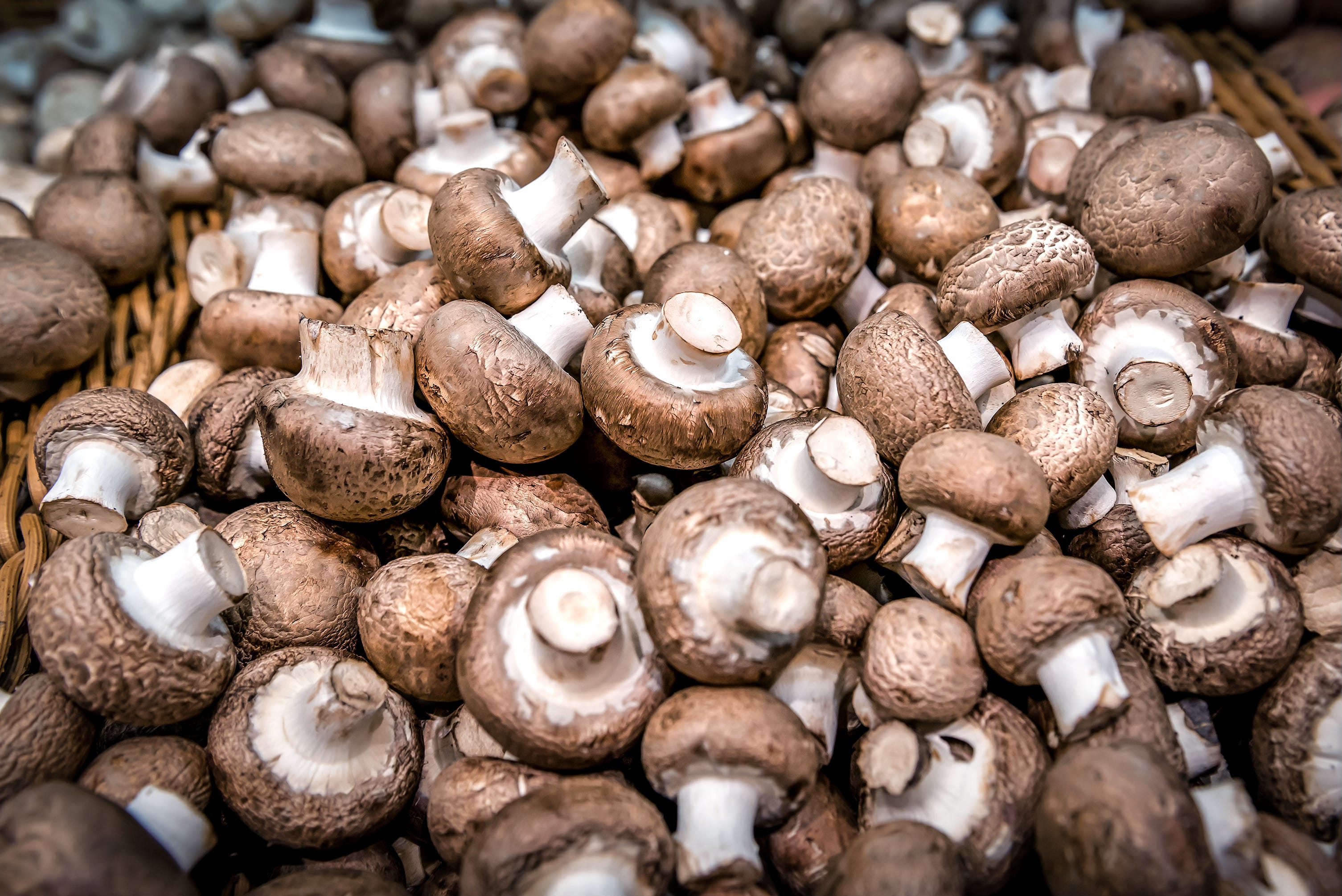
Mushrooms are often one of a child’s first introductions to deep savory flavor and natural umami richness.
Most parents think intentionally about introducing vegetables.
Far fewer think intentionally about introducing savory depth.
Early childhood foods often lean heavily toward flavors that feel simple, predictable, and immediately recognizable: bananas, crackers, yogurt, berries, pasta, puffs, and mild cheeses. Even when children begin branching into family meals, many of the early foods offered still center on sweetness, saltiness, or familiar carbohydrates that are easy to identify.
But taste literacy develops beyond simply accepting individual foods. Children gradually learn to recognize broader flavor families, and mushrooms offer something very different.
Umami is often described as the “fifth taste.” Even if the word feels unfamiliar, most families recognize its taste in foods like Parmesan cheese, tomato soup, broths, ramen, roasted vegetables, and slow-cooked sauces.
Interestingly, umami is present in early infancy. Human breast milk naturally contains glutamates, meaning babies encounter savory flavor from the very beginning of life. Beyond that earliest exposure, mushrooms are often one of a child’s first introductions to deep, savory flavor. Their natural umami brings warmth, richness, earthiness, and depth to the palate in a way that sweet early childhood foods do not. That matters because children are developing an internal understanding of how flavor can feel, not just learning whether they like a specific ingredient.
Savory flavor is more layered and lingers longer. It unfolds more slowly in the mouth than the fast, immediate sensory rewards many children experience from highly salty or crunchy snack foods.
Many parents unconsciously think of foods like mushrooms, miso, Parmesan, broths, or pâtés as “adult flavors.” But children can begin to build familiarity with these flavors much earlier than most families realize. Umami-rich foods can be introduced safely and easily through steady, developmentally appropriate experiences.
Mushrooms can become an early introduction to the savory flavors later found in tomato paste, roasted vegetables, lentils, caramelized onions, miso soup, pâtés, braised dishes, and long-simmered sauces. Even when those foods look completely different on the plate, they often share underlying savory notes that children gradually learn to recognize through repeated sensory experiences.
This is part of what makes mushrooms such an important food for developing taste literacy.
Many children do not immediately feel comfortable with mushrooms. The texture can feel slippery, chewy, watery, or inconsistent from one bite to the next. A sautéed mushroom feels completely different from a crispy roasted mushroom. A blended mushroom spread feels different again. As children eat, they are constantly making sense of their sensory experiences.
Flavor learning can begin long before a child develops comfort with a variety of textures.
A child who experiences mushroom flavor in different forms builds familiarity with savory depth. Over time, savoriness settles into the child’s internal flavor pathways, even as the preparations change.
Children develop broader palates through calm, repeated experiences with familiar flavor patterns.
Why This Flavor Matters
Mushrooms matter because they help expand a child’s exposure to the depth of flavors.
Many early childhood foods are naturally sweet, mild, or immediately familiar. That is developmentally normal. Children have a heightened preference for sweet, salty, and crunchy foods. Sweetness is easy for young children to recognize and often feels predictable from bite to bite.
Savory flavor develops differently. Umami tends to unfold more gradually, bringing warmth and savory depth to the palate over time.
Umami-rich foods introduce children to flavors that feel deeper, warmer, earthier, and more layered. These flavors linger longer on the palate and may feel less immediately recognizable to young children. But repeated exposure to savory depth helps broaden the palate beyond simple sweet-and-salty patterns.
Children who become familiar with savory flavors often begin recognizing those same flavor notes across many different foods. The richness of roasted mushrooms may later connect naturally with polenta, risotto, olives, cheeses, roasted vegetables, legumes, and slow-cooked sauces.
Even when the foods look different on the plate, children begin recognizing familiar sensory patterns. This is part of how children build culinary continuity. Mushroom flavor quietly reappears across many family meals and cuisines over time: broths, tomato sauces, dumplings, noodle dishes, gravies, holiday meals, and restaurant cooking. Even when the foods differ, children gradually begin to recognize the familiar savory tastes beneath them.
Mushrooms are especially useful for this kind of flavor learning because they can appear in many forms:
roasted
finely chopped
brothy
folded into familiar meals
That flexibility allows children to experience the same underlying savory profile repeatedly, even as texture differs.
Texture is often the biggest challenge with mushrooms.
A child may enjoy mushroom flavor in a creamy pasta sauce while rejecting a whole sautéed mushroom beside it. That does not mean the flavor itself is rejected. Often, the child is still adjusting to the mouthfeel, moisture, and changing textures that mushrooms naturally have.
This is why calm familiarity with flavor matters more than immediate acceptance.
Repeated sensory experiences help children develop greater flexibility with food over time. Mushrooms help guide children toward richer, savory familiarity in a way that supports future flexibility with food, long beyond mushrooms themselves.
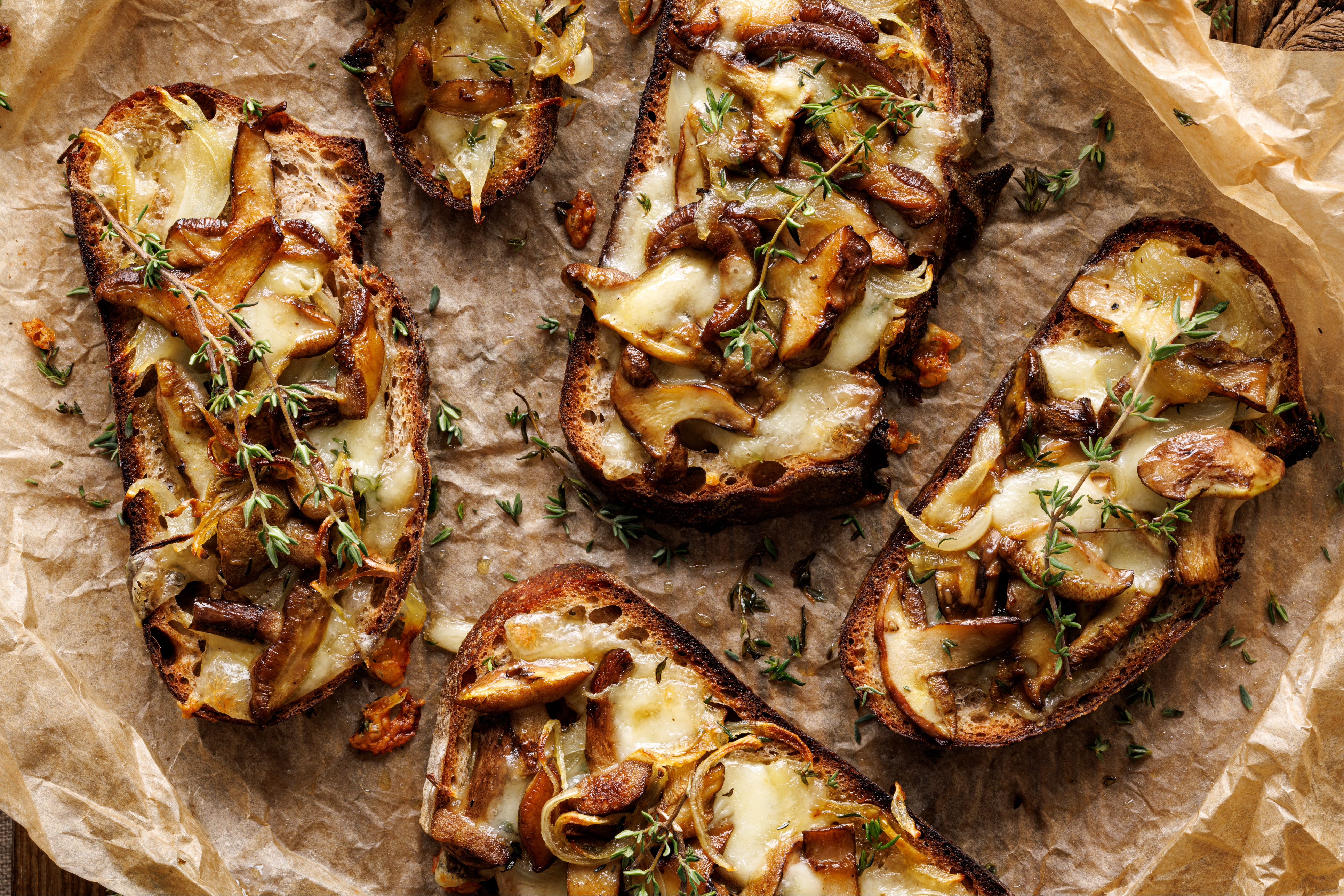
Mushroom flavor quietly appears across family meals over time: toast, risotto, brothy soups, grain bowls, pasta dishes, and shared restaurant experiences.
Pediatric Culinary Medicine Insight
One of the most overlooked opportunities in early flavor learning is the intentional introduction of umami.
Many early feeding approaches focus heavily on mild or naturally sweet foods first: bananas, applesauce, sweet potato, or oat cereals. While these foods have a place in childhood feeding, they do not fully expose children to the broader range of flavors that shape lifelong eating patterns.
Mushrooms are especially important because they introduce children to the deep savory taste of umami. Umami creates a different sensory experience than sweetness alone. The flavor lingers longer, feels fuller in the mouth, and often creates a stronger sense of warmth and satisfaction.
This is part of an umami-first exposure pathway.
Rather than waiting until later childhood to introduce deeper savory flavors, children can begin experiencing them early through developmentally appropriate forms:
mushroom spreads
parmesan rinds in soup
broth-based grains
soft roasted mushrooms
slow-cooked savory vegetables
Umami is naturally highly palatable and neurologically reinforcing. Savory glutamates stimulate saliva production, digestive readiness, and sensory engagement around food. In many ways, umami helps prepare the palate for more layered and complex flavor experiences over time.
Savory familiarity helps children recognize flavor patterns across many foods and meals.
Children who become familiar early with savory depth often find these flavors more approachable later. The brain gradually develops neuro-flavor mapping as children encounter familiar savory notes across different foods, textures, and meals.
Mushrooms are particularly valuable because they allow children to experience umami across many forms over time. This approach shifts the goal away from simply getting children to eat mushrooms as one of “their veggies.”
Instead, mushrooms become part of a broader developmental approach: helping children build familiarity, confidence, and recognition of deeper savory flavors that support a wider, more flexible palate over time.
In this way, mushrooms are not simply about accepting another vegetable. They help expand the palate’s sensory vocabulary, allowing children to gradually recognize richer, deeper, and more layered flavor experiences.
This Flavor Pathway explores how mushrooms can become a steady starting point for introducing umami.
You’ll see how to introduce mushrooms through small shifts in texture, pairing, and shared meals.