


A lemonade stand may be a child’s first lesson in how sour and sweet can work together.
Few childhood experiences feel quite as iconic as a lemonade stand.
A child makes the sign, drags a small table to the sidewalk, finds a box for the money. They set out a small cash box, add a payment code to the sign, and wait for customers beside a pitcher of something cold, bright, and sweet. They may spend more time counting the money than selling the lemonade, but that is part of the fun.
Lemonade feels like summer in a cup. It is familiar, refreshing, and often one of the first ways children learn that sour and sweet can balance each other.
But lemon can do much more than make a thirst-quenching drink. A small squeeze can brighten roasted vegetables, balance a creamy sauce, make herbs more noticeable, or change the flavor of a familiar piece of chicken. Lemon does not need to be the main flavor. Often, its job is to help the rest of the food taste better.
That matters when dinner feels flat, food comes back untouched, or your child quickly says, “I don’t like it.”
Learning to use one familiar flavor in several ways can help you adjust a meal without cooking something separate. It can also help your child discover that the same food may taste very different depending on what is added.
Why This Flavor Matters
When your child rejects dinner, it is easy to assume the entire meal has failed.
Maybe the vegetables taste bitter, the chicken seems dry, or the sauce feels heavy. After shopping, planning, cooking, and serving, watching the meal go untouched can feel discouraging and wasteful.
Lemon gives you another way to respond. A small squeeze of juice or a little zest can add freshness, lift a soup, balance richness, or help herbs and seasonings stand out.
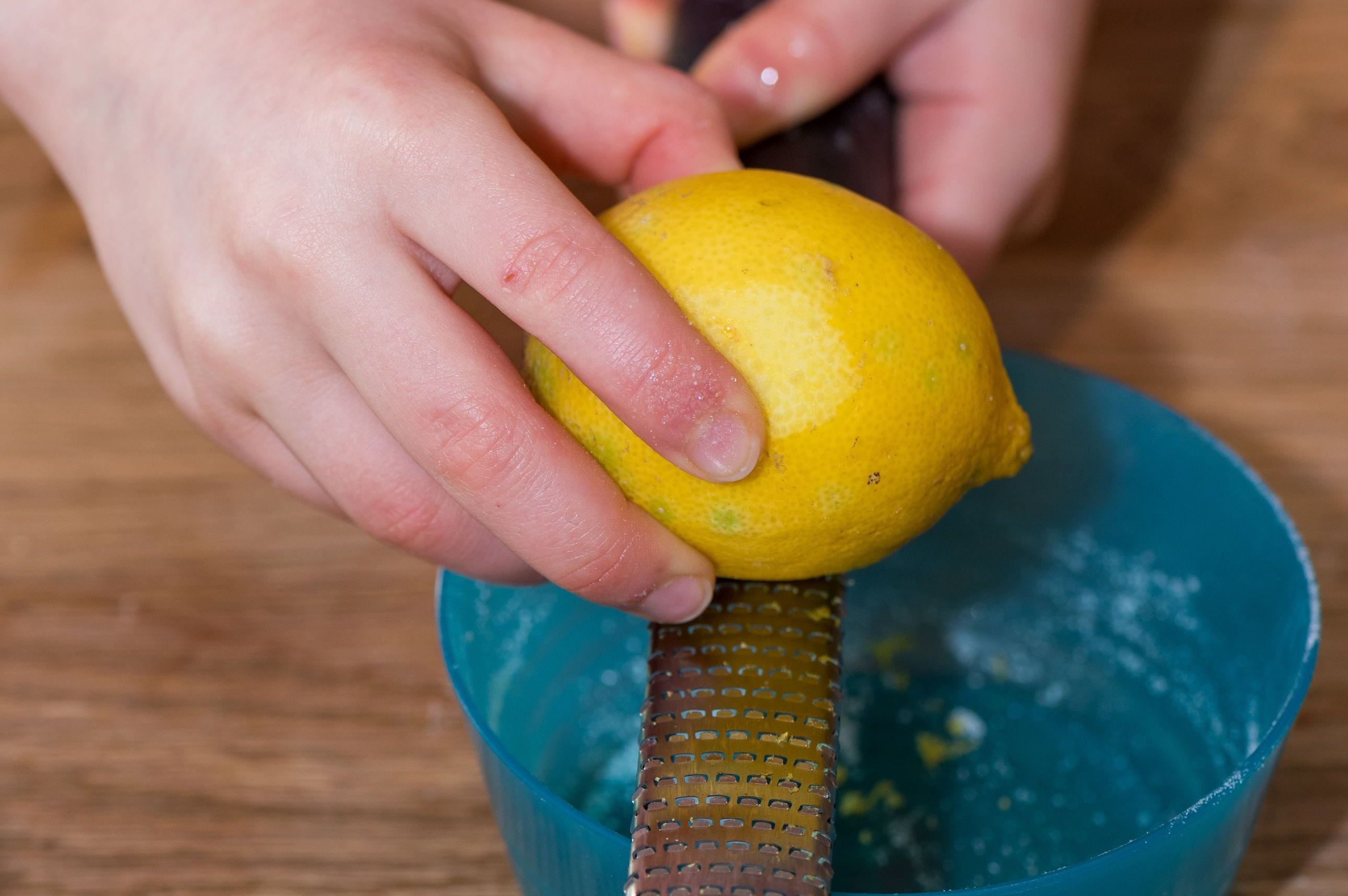
Juice brings sourness. Zest releases fragrant oils that create a different lemon experience.
This does not mean lemon will make your child enjoy every food. It means the flavor of a meal is not fixed. One small adjustment can make the same food taste fresher, lighter, or better balanced.
Instead of immediately wondering, “What else do I need to make?” you can ask, “Is there an easy way to make this food taste better?”
You provide the meal and guide your child’s experience at the table. When you taste and adjust the food, you give your child an opportunity to notice, compare, and decide what changed. These small culinary choices can help you feel more capable and confident at dinner.
You do not necessarily need a new recipe, a separate plate, or a completely different meal. Sometimes the lemon your child recognizes from lemonade can help the rest of dinner come together.
Pediatric Culinary Medicine Insight
Children eat food that tastes, smells, and feels good in their mouths.
No matter how nutritious a meal may be, children are unlikely to return to it if it tastes bland, bitter, heavy, or otherwise unpleasant. Taste and texture are sometimes treated as secondary when adults focus on making a meal “healthy.” Yet they are central to how children experience food and whether they want to eat it.
Lemon offers a practical way to improve that sensory experience without starting over.
Sour is one of the five basic tastes, along with sweet, salty, bitter, and umami. The acid in lemon activates sour-sensing cells within the taste buds, creating the bright, puckering sensation we recognize as sour.
Sour flavors also make the mouth water. Citric acid strongly stimulates saliva production, which is why imagining a bite of lemon may make saliva collect under your tongue. Saliva moistens food, helps flavor molecules reach the taste receptors, and begins the digestive process.
In our family, my husband sometimes turned this response into an entertaining trick for our children. He would lift his tongue and send a tiny stream of saliva forward from beneath it, a phenomenon commonly called “gleeking.” Our children thought it was amazing. It was weird, memorable, and a dramatic demonstration of where saliva enters the mouth.
Lemon’s culinary value goes far beyond making food taste sour. Its acidity can cut through richness, wake up a mild soup or plate of vegetables, and help herbs and seasonings stand out. It can also make a dish taste more complete, sometimes reducing the impulse to keep adding salt.
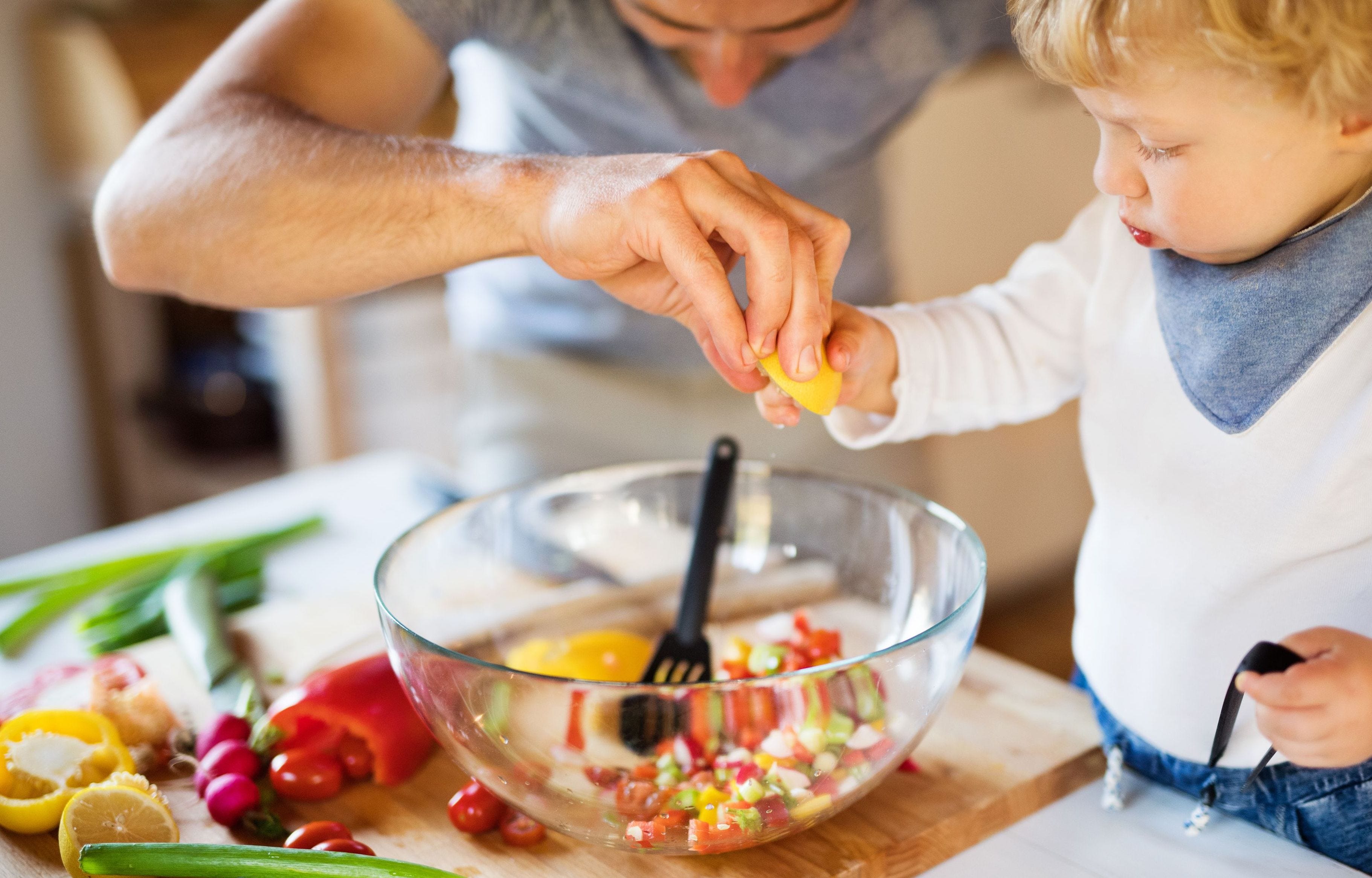
Small culinary choices give children a meaningful way to participate in how food tastes.
Lemon also contributes vitamin C. When eaten with plant-based sources of iron, such as lentils, beans, leafy greens, and iron-fortified grains, vitamin C helps the body absorb nonheme iron. A squeeze of lemon over lentils or white beans offers both a flavor advantage and a nutritional one.
Adequate vitamin C also protects against scurvy. Although uncommon, scurvy can still occur in children whose severely restricted diets contain few or no dependable sources of vitamin C. This is one reason nutritional variety matters, especially when a child avoids nearly all fruits and vegetables.
Still, the main culinary reason to add lemon is simple: it can make food taste better.
A thoughtful squeeze may be the difference between vegetables that taste flat and vegetables that taste bright, or between a sauce that feels heavy and one that feels balanced. Lemon will not make your child accept every food, but it gives you another practical way to improve the meal before cooking something else.
This is pediatric culinary medicine in practice: using what we know about development, physiology, nutrition, and sensory experience to prepare foods children may genuinely enjoy eating.
Knowing that lemon can change a meal is only the beginning. The next step is learning how to use it in a way that matches your child’s current comfort with flavor.