

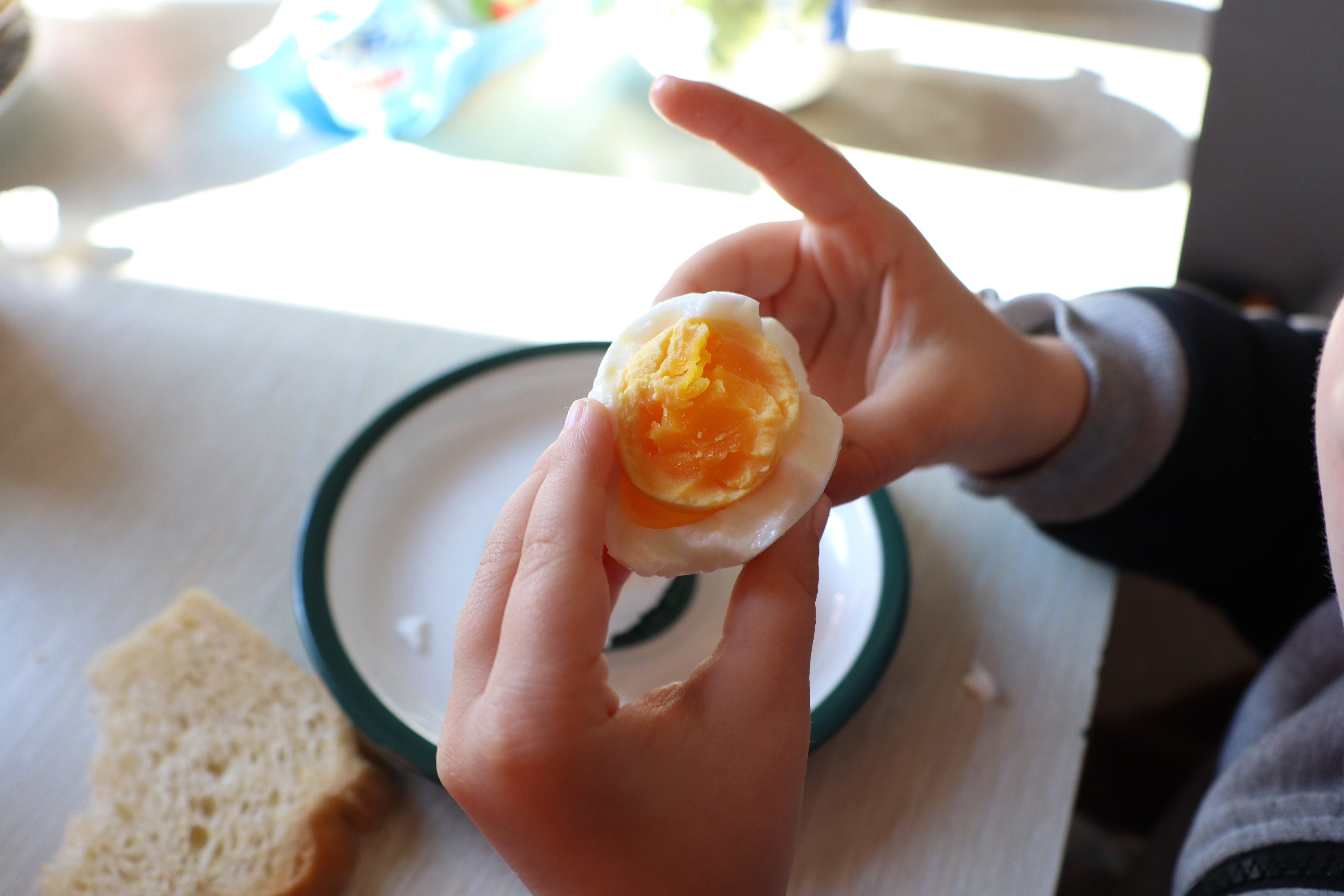
The same ingredient can feel different each time. That is where learning begins.
People often ask me what my favorite thing to cook is.
The answer is simple. I love to cook eggs.
They are delicious. They are also one of the most exacting foods to get right.
In culinary school, we spent an entire week on eggs. Not because they are complicated, but because they respond so quickly to small changes in heat, timing, and technique. A few seconds can shift them from soft and cohesive to firm and dry. That sensitivity is what makes them so satisfying to cook well.
Over time, eggs have become a steady presence in my kitchen. Soft scrambles, French omelettes, jammy eggs, poached eggs. Each preparation offers a slightly different experience, even though the ingredient is the same.
At home, that experience extends beyond the stove. We have kept a small flock of hens for many years. Caring for them, collecting the eggs, and bringing them into the kitchen has created a quiet rhythm in our family. It is something our children grew up with, and now our granddaughter is beginning to experience it as well.

Food feels different when it is part of everyday life, not just something served at the table.
From a pediatric culinary medicine perspective, eggs offer something uniquely helpful.
They are not just one experience.
Eggs can be soft or firm, smooth or structured, rich or subtle. The way an egg is prepared changes how it feels in the mouth, how it is interpreted, and how a child responds to it.
This is where eggs begin to shift from a staple to something more meaningful.
They offer a clear way to understand how children learn to experience food.
Why This Flavor Matters
Eggs are often thought of as a simple, familiar food.
For a child, they rarely feel simple.
What makes eggs especially useful is how much they can change.
The same ingredient can take on very different textures depending on how it is prepared, from soft and cohesive to firmer and more defined. These shifts may feel subtle to an adult, but for a child, they are often the most noticeable part of the experience.
This is where eggs begin to play an important role in taste literacy.
Children are not only learning flavor. They are learning how to interpret it, how a food feels, how it holds together, and what to expect when they see it again.
Eggs offer repeated opportunities to build that recognition.
A soft scramble may feel cohesive and easy to manage.
A jammy egg introduces contrast between the white and yolk.
A firmer preparation can feel denser or separate.
Even when the flavor is familiar, the experience can feel different each time.
That difference matters.
It helps explain why a child may accept eggs one way and hesitate with another. This is not inconsistency. It is part of how children learn to interpret food.
When eggs are offered in steady, familiar ways over time, children begin to connect these experiences. They start to recognize the underlying flavor, even as the texture changes.
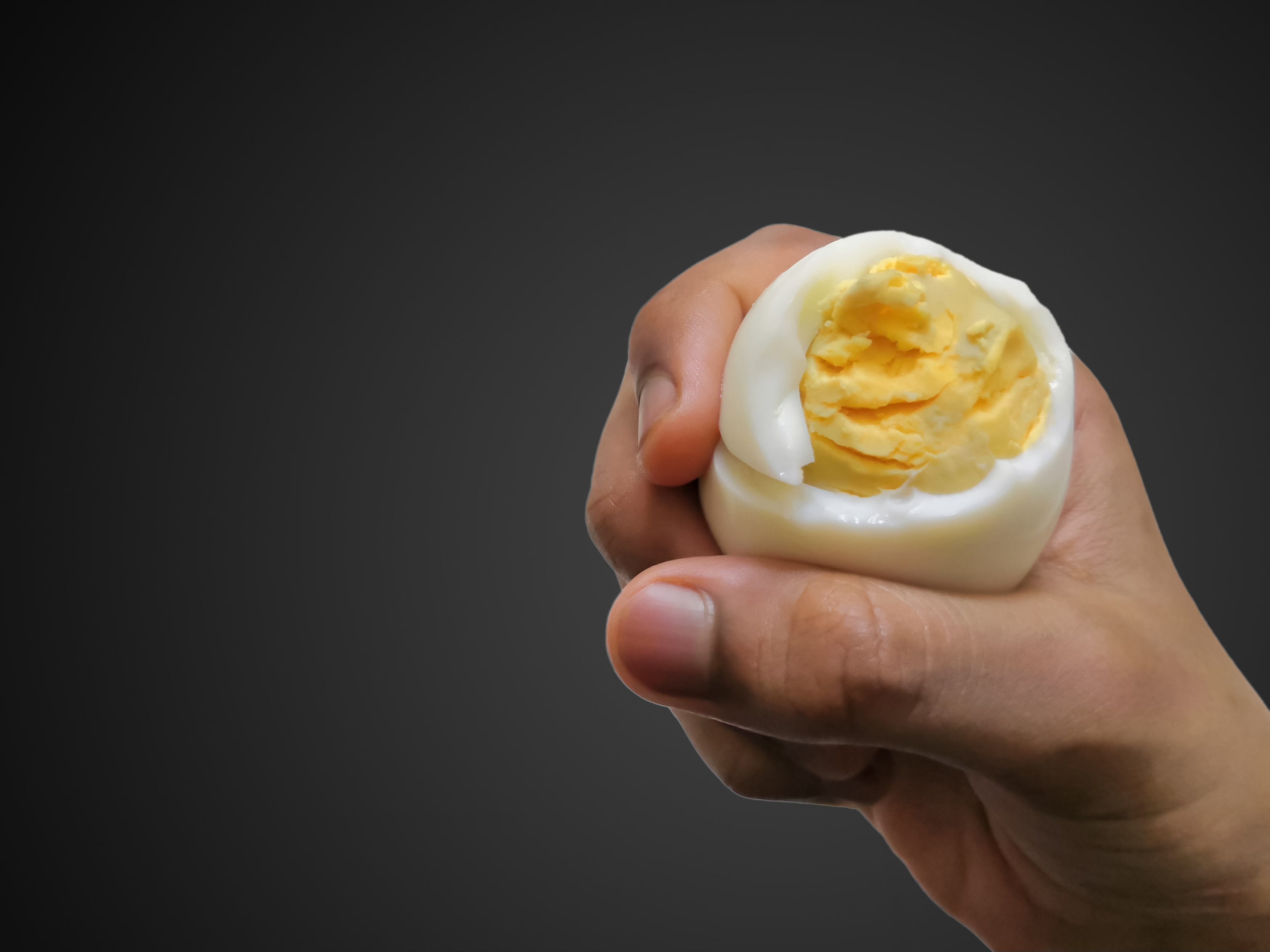
What looks simple to us can feel very different in the mouth.
That recognition is what builds confidence. And with eggs, these small shifts make it easier to see how children learn.
Pediatric Culinary Medicine Insight
Eggs offer one of the clearest examples of how children learn to experience food.
From a pediatric culinary medicine perspective, what often looks like “liking” or “not liking” eggs is usually more specific. It reflects how a child responds to a particular preparation and how it feels in the mouth.
This is where culinary technique becomes part of how we guide a child’s experience with food.
There are natural periods when children are more open to new food experiences. Early infancy and the preschool years are two of the most noticeable. During these times, how a food is prepared can make a meaningful difference in how it is received.
During these windows, eggs can be prepared in ways that feel smoother and easier to approach. Preparing eggs gently, or pairing them with ingredients that soften the texture, can help the experience feel more cohesive.
This is not simply offering a new food. It is aligning when a child is ready with how the food is prepared.

Small changes in preparation can make a food feel smoother, softer, and easier to approach.
That combination often reduces the sensory shifts that can lead to hesitation.
With eggs, texture often comes before flavor.
A child may feel comfortable with one version of eggs and hesitate with another, even when the ingredient is the same. The ingredient has not changed. The experience has.
This helps explain a common moment at the table: “My child eats muffins and pancakes but won’t eat eggs.”
In baked foods, eggs are integrated into the structure. They hold the food together but are not experienced on their own. In cooked eggs, the texture is more direct and more noticeable.
This is not inconsistency. It reflects how children learn to interpret the same ingredient across different forms.
Much of traditional feeding advice focuses on repeated exposure. A culinary lens adds another layer by considering how a food’s form changes the experience.
Over time, these experiences begin to connect, allowing a child to recognize the same ingredient across different forms.
This is how recognition builds and becomes more stable over time. Culinary technique plays a central role in how that experience unfolds.
When parents understand how preparation shapes the experience of a food, the table often feels calmer. Instead of wondering why a child won’t eat eggs, they begin to see what may be causing hesitation. More importantly, they begin to see a clear path forward.
That path does not come from adding pressure. It comes from adjusting how the food is prepared and presented.
This is the difference a culinary lens brings to feeding guidance.
A brief note on egg allergy:
Most children tolerate eggs without difficulty. When reactions do occur, they typically appear soon after eating and may include hives, swelling, vomiting, or changes in breathing.
If your child has a history of moderate-to-severe eczema or a known food allergy, it may be helpful to check with your pediatrician before introducing eggs.
For most families, eggs can be introduced and revisited in calm, familiar ways as part of everyday meals.
Levels of Flavor Confidence
By now, the three levels that guide each Flavor Pathway may feel familiar. They describe how your child approaches food through confidence, sensory experience, and familiarity, rather than age or appetite.
With eggs, these levels often become easier to see because eggs can change so easily.
A soft scramble, a jammy egg, and a firm boiled egg may look similar to an adult. For a child, they can feel like completely different foods. Texture, structure, and even temperature shift the experience in ways that are often more noticeable than flavor itself.
This is not something to fix.
It is something to observe.
Eggs offer a clear window into how your child responds to subtle differences in food. They help you notice what feels cohesive, what feels separate, and what feels familiar or unexpected.
As you read, you may begin to recognize these patterns already present at your table. These are not steps to move through. They reflect where your child feels most at ease.
What matters most is not where your child should be, but where they feel comfortable beginning.