

During the school year, the bread on our counter was rarely the same. Some weeks it was whole wheat. Other weeks it was sourdough or a leftover baguette from dinner. What stayed the same was a small jar of homemade cinnamon sugar sitting next to the toaster.
Before school, and definitely on weekends, warm buttered toast got a generous shake from that little jar. The bread could change, but the smell of cinnamon hitting warm toast was familiar. Everyone knew what breakfast would taste like.
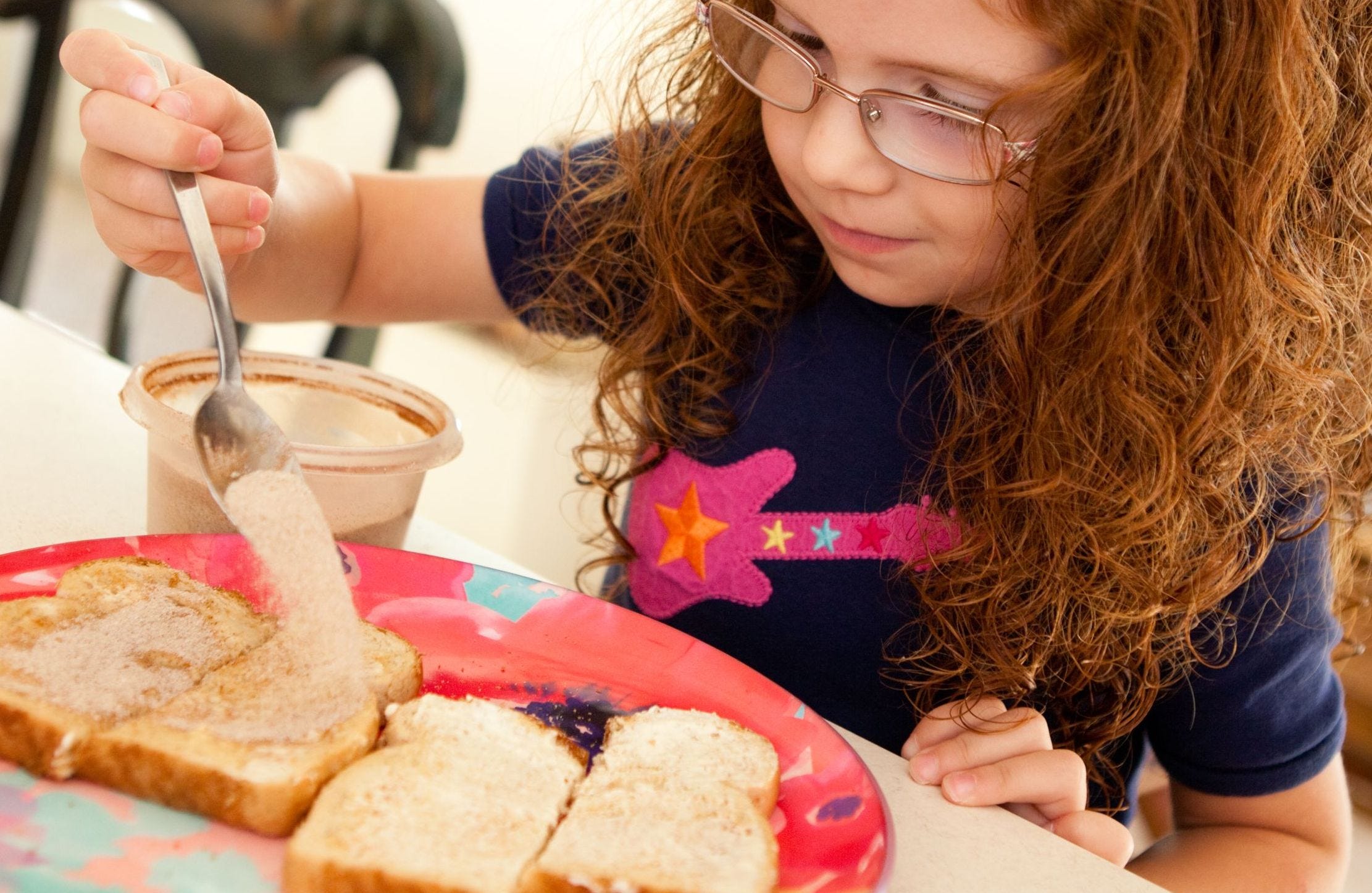
A familiar flavor can become part of a child’s morning, even when the surrounding food changes.
There is so much pressure around breakfast now. Pack the protein. Don’t forget the fiber. Make sure they stay full until lunch. These are very reasonable goals. As parents, we want breakfast to accomplish a lot.
Back-to-school mornings already ask children to manage plenty of change. A new teacher, a different classroom, and a new schedule are just the beginning. There are also new friends, activities, expectations, and the daily transition from home to school. Breakfast does not need to add another layer of novelty.
Looking back on those mornings with my own children, I wasn’t thinking about any of this. I was trying to get everyone fed and out the door. But that little jar next to the toaster had quietly become part of how our family started the day.
The bread changed. The cinnamon stayed. Somewhere along the way, that familiar aroma became part of my children’s food memories.
Why This Flavor Matters
Breakfast has more than one job. It nourishes growing bodies while also becoming part of how children begin their day. That is where a familiar flavor can be useful.
Cinnamon moves easily from one breakfast to another. Stir it into granola or oatmeal, blend it into a banana smoothie, or shake it over warm buttered toast. The food changes while one familiar aroma provides continuity.
Cinnamon also travels well beyond breakfast.
Around the world, cinnamon appears in sweet and savory foods, from Swedish cinnamon buns and Mexican hot chocolate to Moroccan tagines and Vietnamese pho. A child familiar with cinnamon toast at home can encounter the same flavor in a completely different meal, at a completely different table.
That is where familiarity can become curiosity.
Exploring food does not always require starting with an unfamiliar flavor. Sometimes a flavor a child already knows can provide the connection. Cinnamon gives children something familiar to notice while the surrounding food, setting, or cuisine changes.
One day, the cinnamon they know from breakfast may show up in a bakery in Stockholm, a café in Mexico City, a meal in Marrakech, or a bowl of pho in Hanoi.
The place may be new. The food may be unfamiliar. The cinnamon is something they already know.
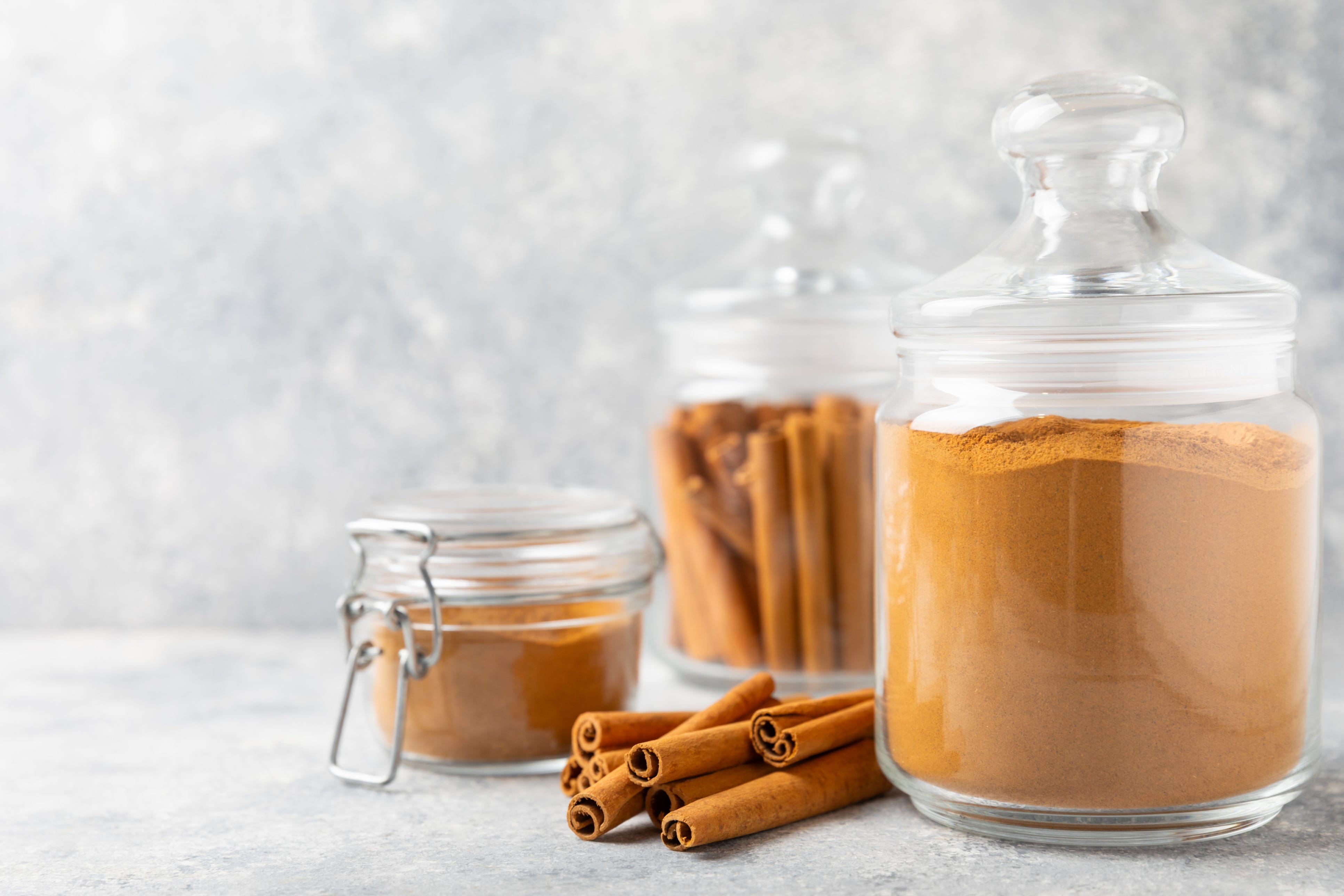
Cinnamon comes from the inner bark of several related trees, with varieties that differ in aroma, intensity, and flavor.
Pediatric Culinary Medicine Insight
There is good reason parents are thinking about protein and fiber. Protein supports growth, while protein, fiber, and fat can all contribute to a satisfying breakfast. A slice of cinnamon toast can sit comfortably next to an egg. Cinnamon can flavor a banana smoothie made with milk. Granola can be served over yogurt with fruit.
A nourishing breakfast does not need to be complicated. That matters on school mornings, when children are already moving through one of the first transitions of their day: from home to school, from family routines to classroom expectations. Predictable routines can help make those transitions easier.
Food can become part of that predictability, and aroma may play a particularly interesting role.
Our sense of smell is closely connected to brain regions involved in memory and emotion. That helps explain why an aroma can bring back a food memory so quickly. Scientists are still studying how pleasant aromas influence mood and stress, including how much comes from the aroma itself and how much comes from learned associations and past experiences.
For a child, those associations are being built over time. As adults, we already have our cinnamon memories: apple pie, holidays, cinnamon rolls, a bakery, maybe a grandmother’s kitchen. Our children are still creating their food memories.
The smell of cinnamon on a school morning may become connected with warm toast, sitting at the kitchen counter, making breakfast together, or a familiar weekend routine. Repeated experiences give the aroma of cinnamon context.
Later, your child may encounter cinnamon in an entirely different context: in a savory rice dish, a restaurant meal, or food while traveling. The dish may be unfamiliar, but the flavor offers a point of connection.
That is an important part of taste literacy. Children build confidence not only by learning new flavors, but also by discovering that flavors they already know can appear in new foods and experiences.
Cinnamon may already be a favorite flavor in your home, or your child may be tasting it for the first time. Either way, the next step is not about eating more of it. It is about noticing where your child feels comfortable now and building from there.
Here’s what that progression can look like.