

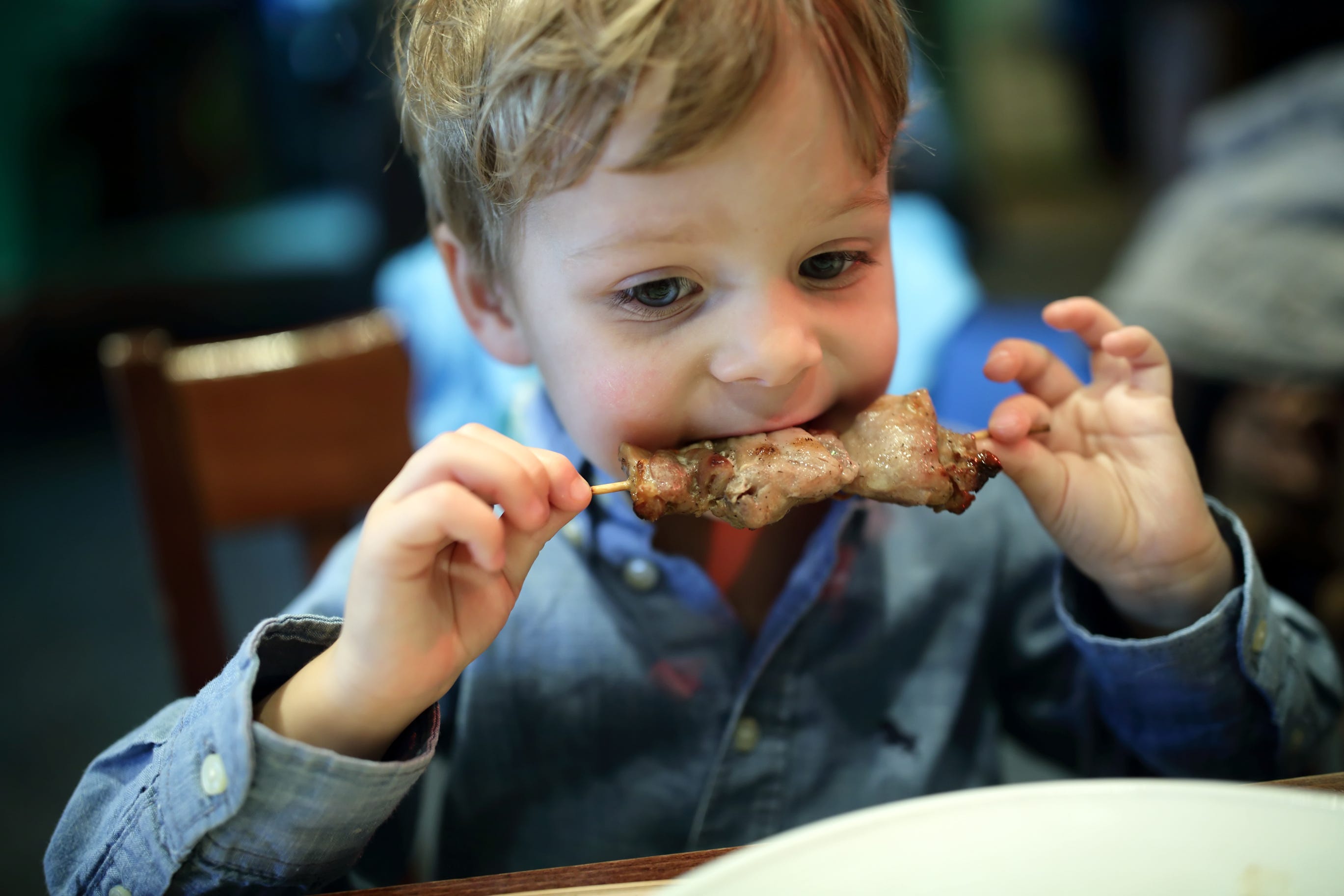
One child’s chicken may be another child’s completely new experience.
“Does eating chicken tenders and nuggets really count as eating chicken?”
That is a question I hear from parents, especially when their child turns down roast chicken, shredded chicken, or chicken in soup at dinner. It makes me think about how long it took me, as a child, to understand what “chicken” actually meant.
I still remember watching baby chicks hatch in an incubator when I was a young schoolchild. First, there was a small crack in the shell. Then a beak pecked its way through. The chicks emerged damp and slightly awkward. Before long, their fluff dried and they were tiny yellow balls skittering around on skinny legs.
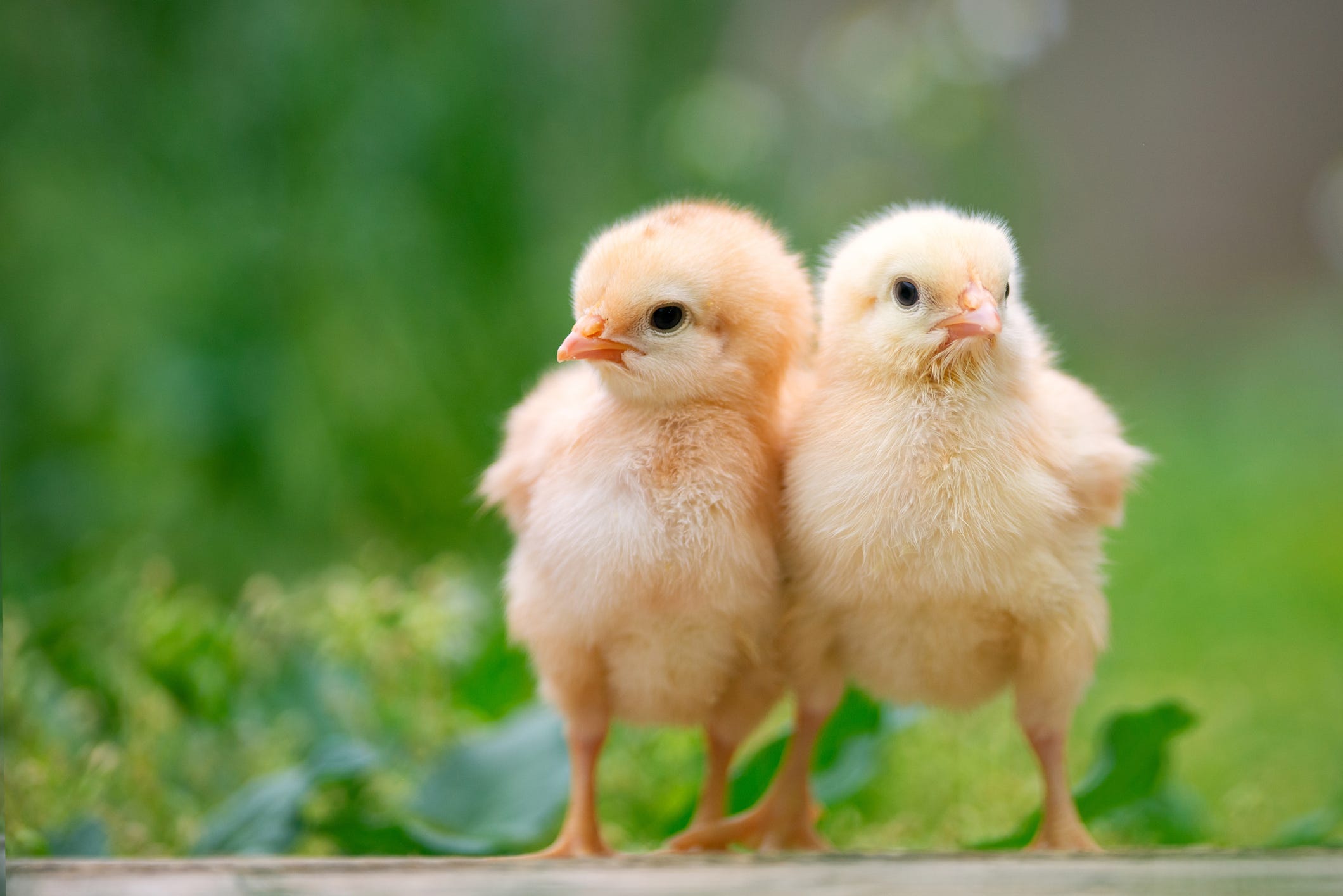
My earliest understanding of “chicken” had very little to do with what was on my plate.
I knew, of course, that they were chickens. What I did not yet fully connect was that those little birds belonged to the same world as the chicken soup I loved, the smell of chicken roasting in the oven, or the chicken salad sandwiches I ate for lunch. That connection came later.
Many years afterward, when my family began keeping hens of our own, fresh eggs were the appeal. Having chickens also gave our children a clearer sense of where some of their food came from. Eggs do not begin in a carton. Chickens are living animals that need food, water, shelter, and care. Our backyard hens are primarily egg layers, but raising them has made where some of our food comes from feel less abstract for our family.
Families make those connections in many ways. Some raise chickens or visit farms and farmers’ markets. Some consider whether their eggs or chicken are local, pasture-raised, organic, or raised using regenerative practices. Others make choices based on availability, price, convenience, taste, and what works for their household.
However families choose to buy chicken, children may come to know it in very different forms at the table.
Adults easily recognize roast chicken, chicken soup, a breaded tender, a drumstick, chicken salad, and a grilled skewer as versions of the same food. For a young child, those connections may not be as obvious. The crispy chicken tender they know can feel very different from soft strands of chicken in soup. A juicy piece of dark meat from a drumstick is different again from a cube of grilled chicken breast. Breading changes the surface, roasting changes the aroma, and shredding changes how the meat feels in the mouth.
Children learn to recognize chicken through repeated experiences with it.
So yes, chicken nuggets and tenders count.
A breaded tender is still chicken, and it is still one way your child is learning its flavor, texture, and place at the table. Rather than steering your child away from the chicken tender they already enjoy, that familiarity gives you a place to begin. Over time, your child can learn that the chicken they know may look, smell, taste, and feel different and still be familiar.
Why This Flavor Matters
Chicken is remarkably versatile, and that matters for taste literacy. One familiar ingredient can give your child many opportunities to notice how texture, shape, aroma, seasoning, and cooking method change the eating experience.
White and dark meat offer different flavors and textures, while a drumstick can be held and eaten differently from a slice of breast meat. Crisp skin and wings take well to sauces and seasonings. Chicken can be shredded into soup, sliced for a sandwich, tucked into a quesadilla, simmered in a stew, grilled on a skewer, breaded into a cutlet, or even prepared as a smooth liver pâté.
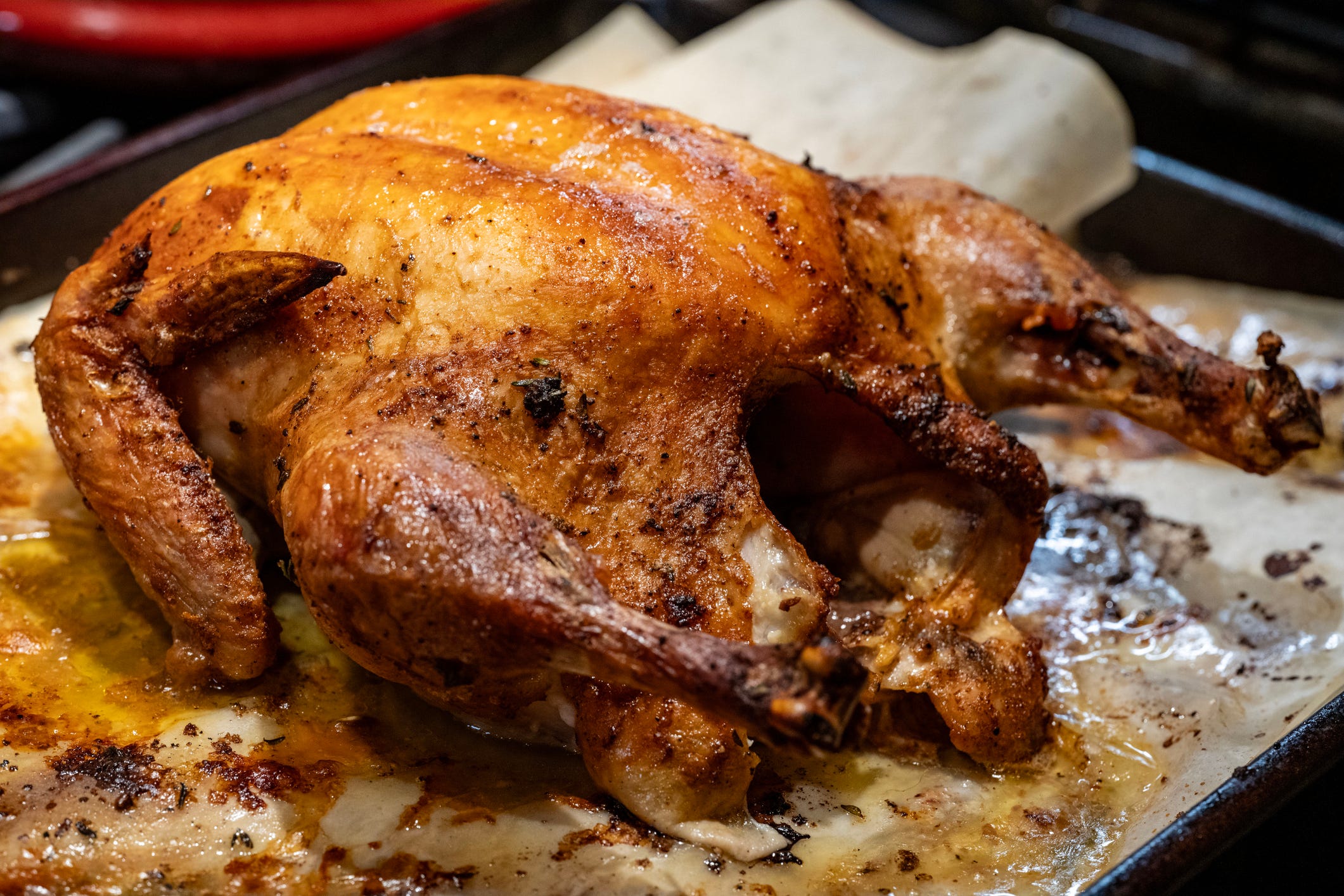
Different cuts offer remarkably different textures.
Chicken also takes seasonings, herbs, and spices easily. Across cuisines, it may be prepared with ginger and soy, lemon and herbs, tomato and spices, coconut milk and curry, garlic and yogurt, or a simple pan sauce. That flexibility lets chicken move easily from an everyday weeknight dinner to foods a family enjoys when dining out, traveling, or cooking from another food tradition.
For children, that culinary range creates natural opportunities to experience chicken in many ways over time.
Pediatric Culinary Medicine Insight
Chicken earns its place at the family table for reasons that go beyond being a convenient source of protein. It offers high-quality protein, vitamin B12, zinc, and iron in a food that many children can eat in relatively modest portions. That can be useful when a young child’s appetite changes from meal to meal.
Some of chicken’s iron is heme iron, which is more readily absorbed than the non-heme iron found in plant foods. Eating chicken as part of a meal can also help the body absorb some of the iron and zinc from other foods in the same meal.
Chicken also works well in the rhythm of family cooking. A roast chicken can become soup the next day, or shredded into rice, pasta, tacos, sandwiches, or a quesadilla. Dark meat stays tender in a stew. Breast meat can become a thin cutlet. The same ingredient can move through several meals without tasting like the same dinner again.
Chicken takes on the flavors around it. Garlic and lemon, ginger and soy, yogurt and herbs, tomato, curry, sesame, pesto, gravy, or a simple broth can all change chicken’s taste without starting a meal with an entirely different protein. That makes chicken more than a protein on the plate. It can carry the garlic, herbs, sauces, spices, and food traditions a family already enjoys.
Good nutrition has to work in real kitchens. Nutrient-rich foods are most useful when they fit the way a family cooks, eats, and enjoys food together.
Chicken soup is a familiar example. When your child is not feeling well, warm broth, soft pieces of chicken, and noodles or rice can provide fluid, salt, energy, and protein in a form that may feel manageable. Chicken soup does not treat a cold, but the usefulness of a warm bowl of soup when your child is tired, congested, or not very hungry is easy to appreciate.