

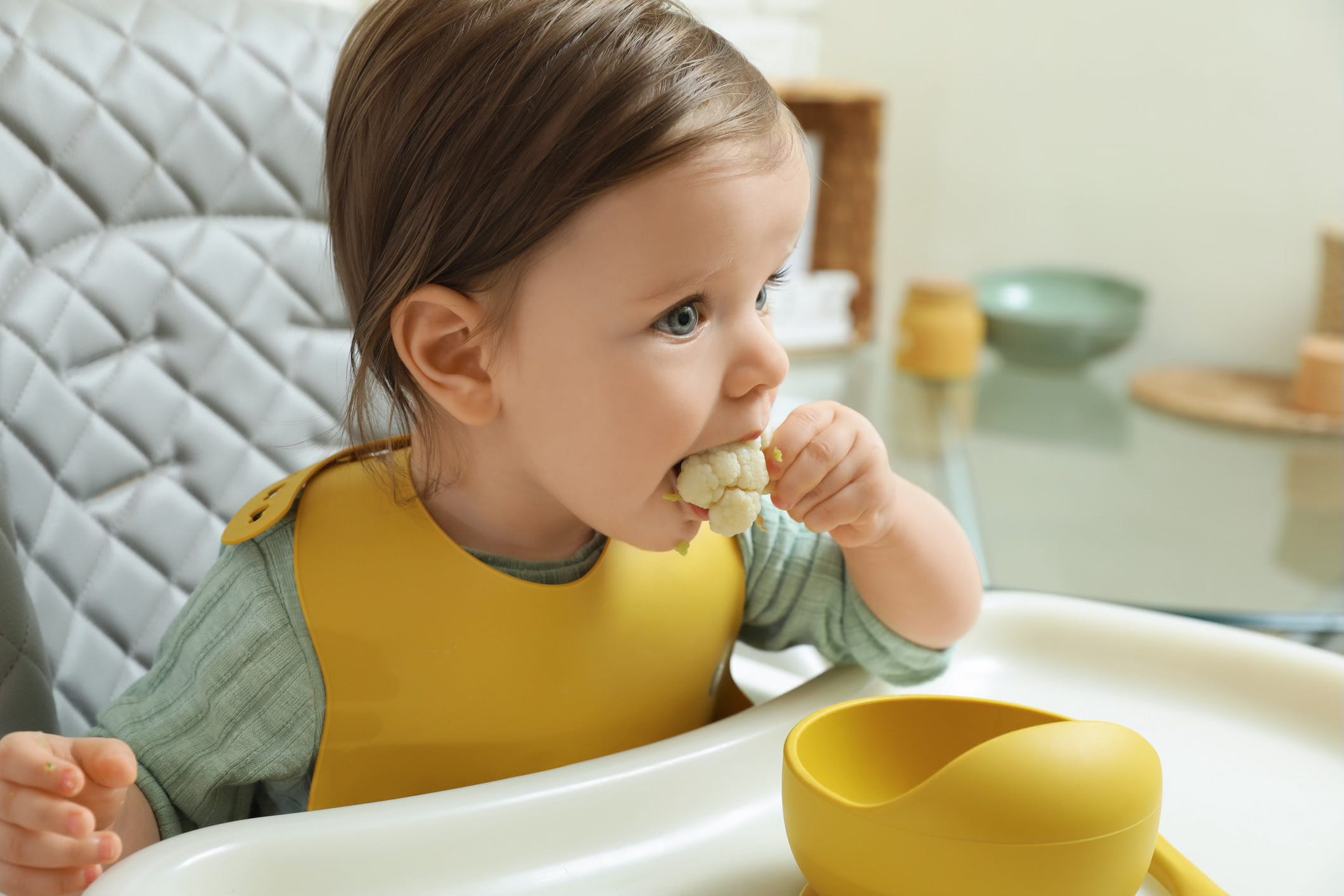
Early experiences with cauliflower are often about texture and familiarity, not how much is eaten.
Cauliflower has a reputation problem.
It is pale. It looks mild. It sits quietly on the plate and gives the impression that it will behave. And then, for many children, it does not.
Some food writers have framed this as deception. The idea that cauliflower “lies” because it is white, yet smells and tastes like its brassica relatives, makes for clever essays and knowing humor. Other voices lean into biology, pointing to sulfur compounds and differences in oral enzymes as reasons some children hesitate before the fork even reaches their mouth.
There is truth in both stories.
But neither is the one that helps families most at the table.
From a pediatric culinary medicine perspective, cauliflower is not a trick. And it is not a verdict on a child’s palate. Cauliflower is especially sensitive to preparation. It responds dramatically to heat, texture, fat, pairing, and aroma. A raw floret, a gently steamed bite, a roasted edge, and a smooth purée are not small variations. They are different sensory experiences.
That matters for children.
Children are not failing cauliflower. They are noticing it.
Some children are more sensitive to sulfur aromas, especially in raw or lightly cooked forms. Some react to texture before taste. Some need familiarity before intensity. None of this means cauliflower does not belong at the table. It means it belongs there with intention.
Across cultures, cauliflower rarely appears alone. It is paired with potato, softened with cream, balanced with fish, warmed with spice, or blended into textures that feel steady before they feel bold. A simple purée of cauliflower and potato with a touch of fat is not a trick. It is a thoughtful introduction.
And cauliflower does not need to arrive in large portions to matter.
Even though it is sold by the head, small servings can play an important role. A spoonful. A floret. A taste carried on something familiar. These moments are not about finishing. They are about learning.
This is where cauliflower earns its place.
It shows children that one food can have many expressions. It shows parents that “not yet” is different from “never.” And it shows families that taste literacy grows through range, repetition, and calm moments at the table.
Why This Flavor Matters
Cauliflower matters because it sits at an important intersection for children: mild but not bland, familiar-looking but not neutral, gentle in appearance yet surprisingly expressive.
For many children, cauliflower is one of the first foods that reveals a key truth about eating: the way a food is prepared can change how it feels, smells, and tastes. That realization is foundational to taste literacy.
Unlike fruits or sweeter vegetables that announce themselves immediately, cauliflower is quieter. Its flavor is shaped by texture, heat, fat, and pairing. Raw, it can feel sharp and sulfur-forward. Gently cooked, it softens and sweetens. Roasted, it deepens and becomes nutty. Blended, it becomes smooth and familiar.
These are not small shifts. They are different experiences.
For children who are still learning to interpret sensory information, this range plays an important role. It allows them to discover that disliking one version of a food does not mean rejecting the food itself. “Not this way” becomes possible, instead of “not ever.”
Cauliflower also invites flexibility at the table. It can appear in tiny amounts without pressure. It can share space with foods a child already trusts. It can be part of a meal without being the focus. This lowers the emotional stakes and preserves curiosity.
From a pediatric culinary medicine perspective, cauliflower connects to an important developmental skill: learning to tolerate difference without distress. When children experience the same food with different textures and preparations, confidence has room to grow.
Cauliflower earns its place because it:
Gently introduces flavors that many children have had little practice with.
Cauliflower carries subtle bitter and sulfur notes that are often missing from a child’s earliest food experiences. In its quieter forms, it offers a first, low-intensity encounter with these flavors, without asking children to make sense of them all at once.Adapts easily across a wide range of culinary windows.
Few foods change as clearly with preparation as cauliflower. Soft, smooth, browned, or blended, it allows families to meet children where they are while keeping the flavor itself familiar.Offers a calm starting point for building tolerance.
Cauliflower looks mild. It rarely announces itself loudly. That visual and aromatic quiet can make it a useful place to begin when children are learning to sit with new sensations, especially those that take time to feel comfortable.
This is why cauliflower belongs at the table even when it is not immediately embraced. It is an invitation to notice, compare, and build understanding over time.
These qualities help explain why cauliflower often shows up early and returns often when we guide children toward confidence with flavor.
Pediatric Culinary Medicine Insight
Cauliflower shows how children experience food through their whole sensory system, not just through taste.
For many children, the earliest response to cauliflower comes through aroma and texture. Certain preparations can release sulfur-forward notes or create textures that feel unfamiliar, especially for children whose sensory systems are still learning to interpret new information. This sensitivity reflects how attentively children notice their environment.
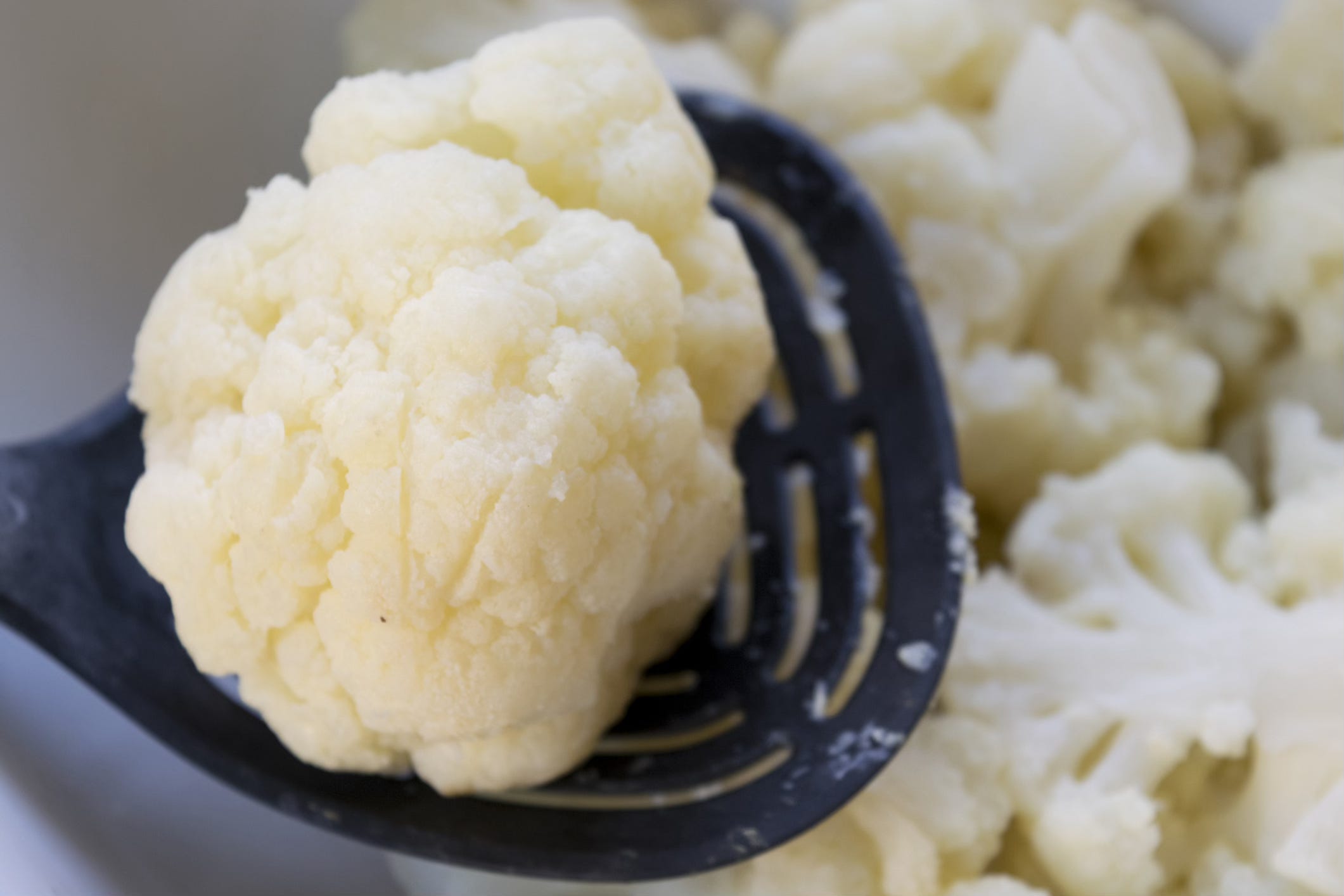
Soft textures help children notice a food calmly before deciding what to do with it.
From a pediatric culinary medicine perspective, what matters most is whether a child’s early encounter feels manageable.
The same food can feel completely different depending on how it is prepared. When cauliflower is softened, blended, or paired thoughtfully, its flavor often becomes mild and familiar. What changes is not the child’s palate but the experience the food creates. That distinction helps families move away from interpreting hesitation as refusal, and toward understanding it as information.
Children are remarkably capable of adapting when food experiences unfold at a pace that allows time to notice without urgency. When familiar textures, aromas, and contexts repeat, tolerance can develop naturally. Over time, tolerance invites curiosity, and curiosity supports confidence.
This is why preparation, context, and emotional tone shape the experience as much as flavor itself. Confidence grows when children learn that new sensations can be approached calmly, without pressure or performance.
Cauliflower, with its sensitivity to preparation and its wide range of expressions, offers a useful window into this process. It reminds us that confidence at the table is built through steadiness, familiarity, and trust, one manageable experience at a time.
Levels of Flavor Confidence
As you think about cauliflower at your table, what would it look like to step back from how much or how often, and focus instead on where your child feels comfortable noticing this flavor?
With cauliflower, confidence is shaped by more than taste alone. Texture, aroma, and preparation all influence how it is experienced. A child who hesitates with one version of cauliflower may feel completely at ease with another.

Seeing and smelling food is often the first step toward comfort.
Over time, children move through three broad levels of flavor confidence. These are not age-based, and they are not milestones to push through. They are simply ways of noticing where your child feels steady enough to stay curious.