

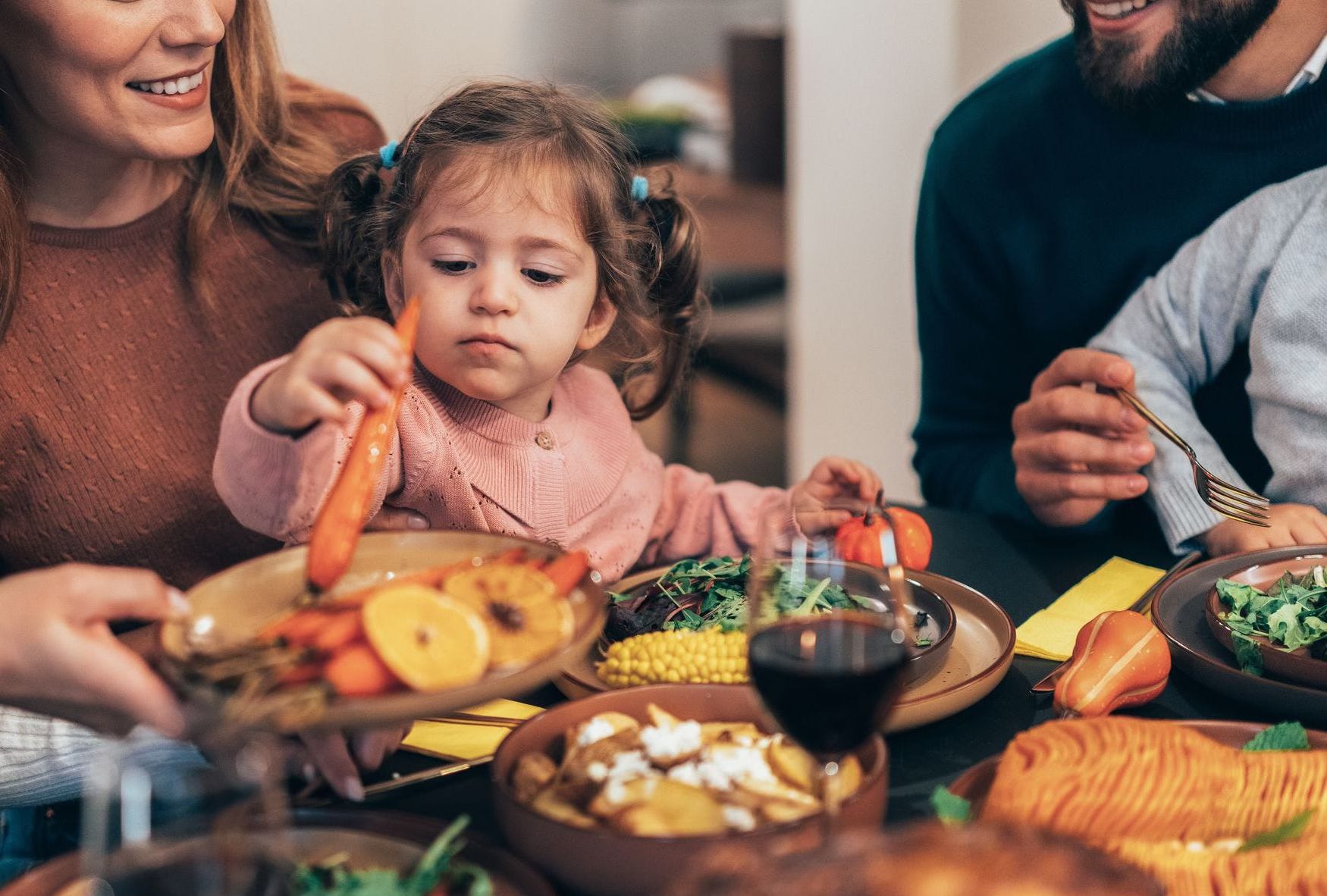
One small reach tells you she feels safe exploring here.
Late afternoon often has its own kind of energy. You are thinking about dinner. The dog needs to go out. Your child wants to be held, then put down. There is a half-finished thought about tomorrow in your mind. Everyone is a little hungry and just a bit worn down.
You slice a few carrots. Maybe some cucumber or pepper, too. You add a small bowl of tzatziki and place the plate on the counter while you settle your child into their highchair or seat at the table. It is not a planned snack. It is simply something steady while the evening finds its rhythm.
Your toddler reaches for the carrot, dips, tastes, and sets it down again. They may come back to it. They may not. Some days they eat more. Some days, they only explore. This back-and-forth is normal. It’s how children learn to approach flavor at a pace that feels safe to them.
Carrots work well here because they feel familiar. The natural sweetness offers comfort. The gentle earthiness adds just a bit of complexity as something to notice, but not enough to overwhelm. You are simply offering your child a flavor that is easy to repeat and easy to return to. Carrot is a calm, predictable presence in a busy part of the day. Curiosity can happen without pressure. Your steadiness is the lesson.
Your child’s flavor confidence grows in these small, everyday moments that may feel unremarkable while they are happening. Carrot is a perfect partner in your child’s taste literacy journey.
Why This Flavor Matters
Carrots may already be in your home, something your child eats easily, or recognizes on the plate. This familiarity is exactly why carrots are highlighted in our One Flavor, Six Paths now.
When a flavor is familiar, children have room to notice how it changes when prepared in different ways. This comfort scaffolds a child’s taste literacy and confidence. Building flavor confidence doesn’t require exposure to fancy or gourmet foods. Instead, children confidently develop curiosity when invited to taste a variation of a flavor that they already know.
The balance of sweetness and gentle earthiness is what makes carrot useful here. It gives children a chance to learn that one bite can hold more than a singular taste. That gentle complexity is what builds a flexible palate over time. When a child experiences a simple, recognizable flavor in different forms (raw vs. cooked), flavor-mapping pathways are sparked.
Carrots naturally support this kind of learning. They carry a gentle sweetness that many children already enjoy. On average, carrots contain about 4 to 8 percent natural sugar, like sweet potatoes. At the same time, carrots have a mild earthiness. This comes from compounds (terpenes and geosmin) responsible for the earthy scent we recognize when rain falls on dry soil. Early in their food journey, children have less experience with earthy aromas. This reduced exposure affects their ability to identify and discriminate them in tastes.
Neuro-flavor mapping refers to the brain’s ability to recognize a flavor even when the texture, temperature, or shape changes. When carrot appears as chilled, sliced, warm, or roasted, a child learns that while the texture may not be consistent, the flavor is familiar. A child who has tasted grated carrot in salad, chilled carrot sticks, carrot purée, or roasted carrot rounds is developing flavor generalization. Carrot supports building sensory trust across warm and cool textures, through flavor complexity. This is how a child learns that flavor can change and still feel safe. That recognition is the foundation of confidence.
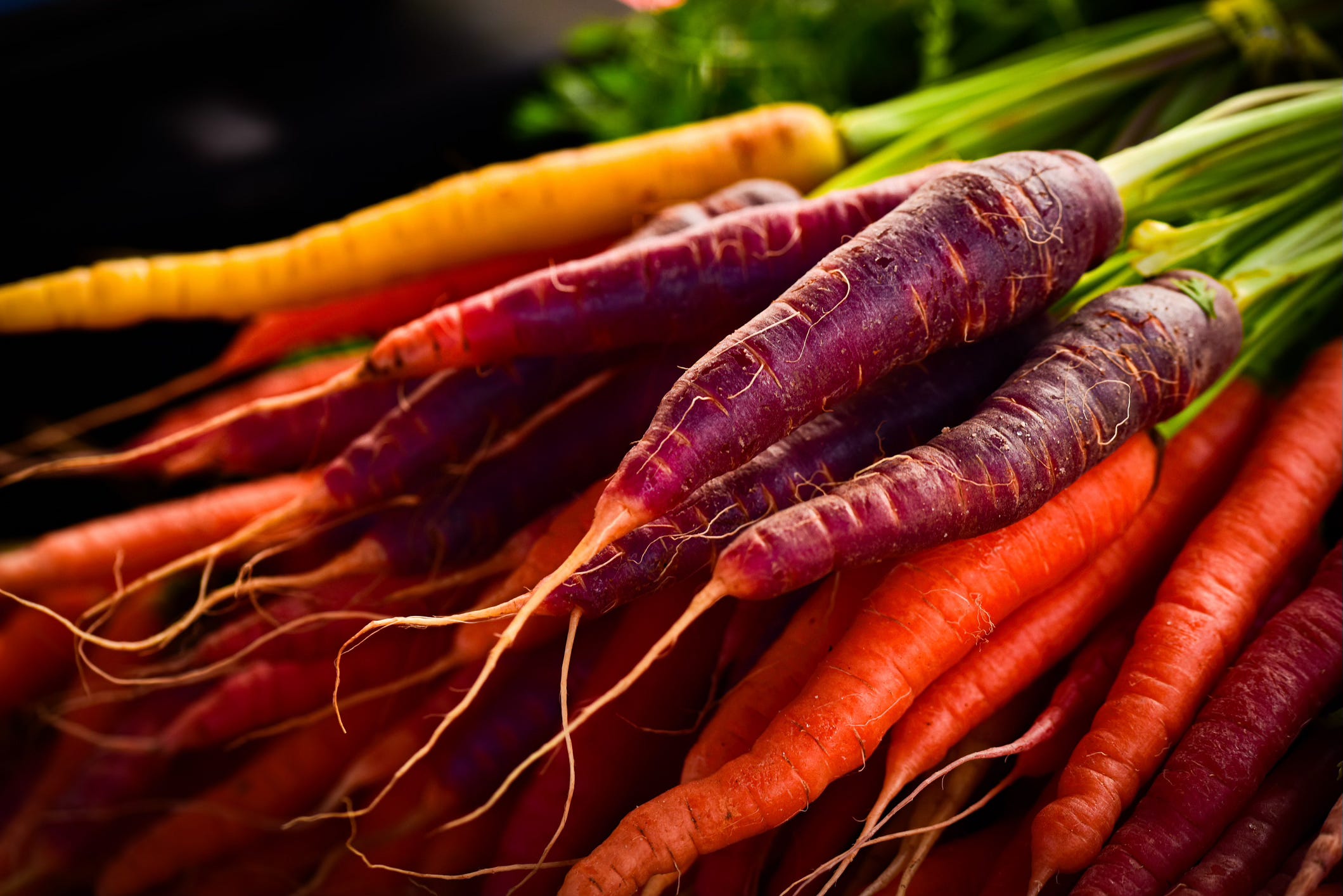
The same flavor can appear in many forms and still feel familiar.
You can develop your child’s taste literacy wherever carrots show up at the table. Carrots’ everyday presence is what makes it a great starting place. Carrot doesn’t teach confidence by being new. It teaches confidence by being familiar, reliable, and easy to return to.
Pediatric Culinary Medicine Insight
Carrot is a useful “teaching flavor” because it carries comfort and mild complexity. Smelling the aroma of carrot can help your child be receptive to its flavor before tasting it. When carrots are cooked, heat breaks down their cell walls, bringing out more of their natural sweetness and softening their gentle, earthy notes. This preparation often helps a child approach carrot more easily. Steamed or roasted carrots taste sweeter than raw carrots.
Offering carrot in different forms helps your child recognize the flavor across small changes. Here is some guidance on things to consider:
About Baby Carrots and Texture
Baby-cut carrots are not from petite baby carrots. They are made from large carrots that are trimmed and tumbled smooth, then washed in a solution to keep them fresh. Once a package of baby carrots is opened, the carrots tend to dry out, becoming chalky or “white-blushed”. If the package contains too much moisture, the carrots can become slick or slimy and may become unsafe to eat. These textural inconsistencies can be a surprise for a young child who is still learning to trust carrots as a predictable texture and safe flavor.
When whole carrots are peeled and cut at home, their texture tends to stay more consistent, crisp, bright, and firm. Storing sliced carrots in cold water (changed daily) keeps them fresh and readily available.
Carrot’s appearance, moisture level, texture, and temperature matter for your child’s flavor confidence because young children are mapping their internal sense of what food should look, feel, and taste like. Serving a warm carrot beside a cool raw carrot gives a child room to notice the change without pressure. This is culinary windowing: shifting one detail at a time while keeping everything else familiar.
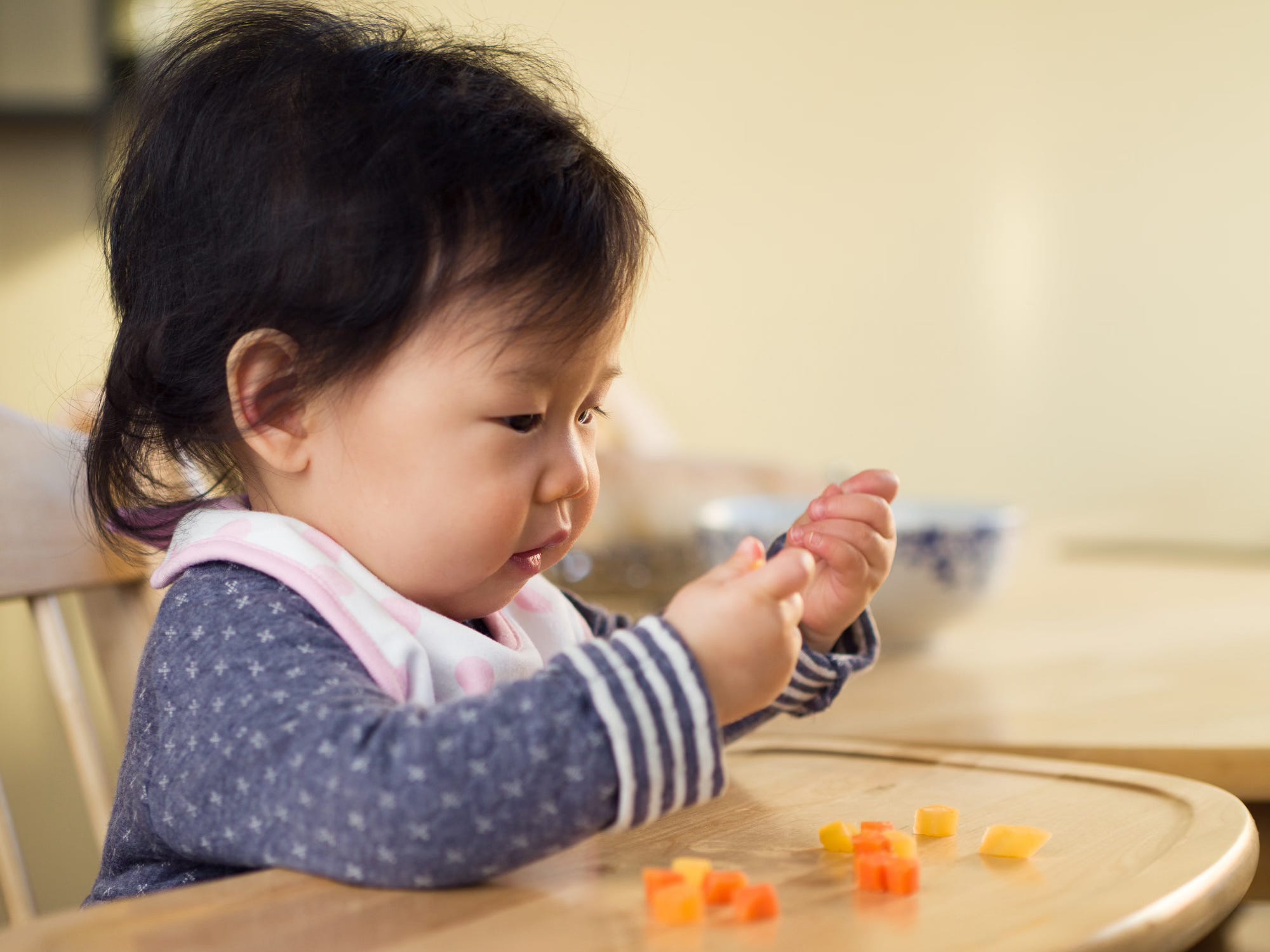
Before tasting comes touching, looking, and thinking. These quiet pauses are part of flavor learning.
If carrot’s texture is predictable, children feel safe to try it again. If the carrot’s texture is different, too hard, too chalky, or too slippery, their brain shifts into caution mode, and flavor learning pauses. Predictability signals safety more than flavor alone ever does.
Carrot supports flavor learning best when its texture is steady and familiar. With safe, trusted scaffolding, a child will be ready to try new variations when ready.
Levels of Flavor Confidence
Taste literacy develops gradually. Confidence grows through small repeatable exposures, not big leaps.
By now, you may already recognize the three levels that guide every Flavor Pathway. Each level reflects where your child feels most comfortable exploring new tastes, based on their confidence level, not their age. Flavor confidence with carrot tends to develop along three patterns. These are not ages or milestones. They are simply indicators of where your child feels most at ease with this flavor right now and then a path to begin their journey forward.