


Bread anchors meals through familiarity, warmth, and trust. When food feels steady, curiosity has room to grow.
Bread is everywhere.
It shows up at breakfast, in lunchboxes, and at the center of the table at dinner. It is one of the most familiar foods we have. And yet, over the past decade, bread has become surprisingly complicated.
Gluten has been blamed. Processing has been questioned. Commercial loaves and traditionally made breads are often grouped, even though they behave very differently in the body. What was once simply nourishing has started to feel like something that needs explanation.
Some foods earn their place at our tables not by novelty or nutrition claims, but through how reliably they help our children feel calm, nourished, and ready to engage with the meal. Bread is one of those foods. It signals care and continuity in a way few foods do.
I have always loved bread. As I have grown older, trained as a pediatrician, and learned to bake as a chef, I appreciate it even more.
When I was growing up, my family did not eat out at restaurants often. When we did, I remember the bread arriving at the table, making the meal feel generous before it even began. I also remember my mother’s reminder, said with care: “Don’t fill up on the bread. It will spoil your dinner.”
What I understand now is that the concern was never bread itself. It was about keeping an appetite for the rest of the meal and not filling up on just bread. It was about rhythm, pride, and balance. About learning how eating out worked. Bread was simply the visible stand-in for those worries.
Today, my view of bread is clearer. Especially for children, I see bread as part of the meal. When it is made the old-fashioned way, with just a few high-quality ingredients: flour, water, yeast, salt, and time, bread is filling, nourishing, and satisfying in a way that does not need apology. Bread fermented slowly, through long yeast fermentation or sourdough starter, behaves differently in the body. It digests more gently, supports the gut microbiome, and satisfies hunger without creating the heavy fullness many of us associate with modern commercial bread. For many of us, this kind of fresh bread feels grounding in a way processed foods do not.
I often say that I prefer bread to sweets. A slice of good bread is more satisfying to me than dessert. It tastes real and feels deeply nourishing. It leaves me content rather than wanting more.
This perspective matters when we think about how we feed our children.
A loaf of artisanal bread can feel indulgent at first glance. But the deeper value is there. Ingredient quality. Fermentation. Satiety. Digestibility. Sustainability. And there is the quiet role bread plays at the table – shared, steady, and familiar.
Bread has followed me through every stage of life. In college, when a friend asked what kind of cake I wanted for my birthday, I asked for a loaf of Portuguese sweet bread from a local bakery. We put candles in it and laughed. It felt exactly right.
Later, when my own children were school-aged, bread became a daily staple. Lunchbox sandwiches on the best bread I could find at the time. Sturdy enough to feel safe. Nourishing enough to last through a long school day and a small reminder that food could be delicious and that mom cared.
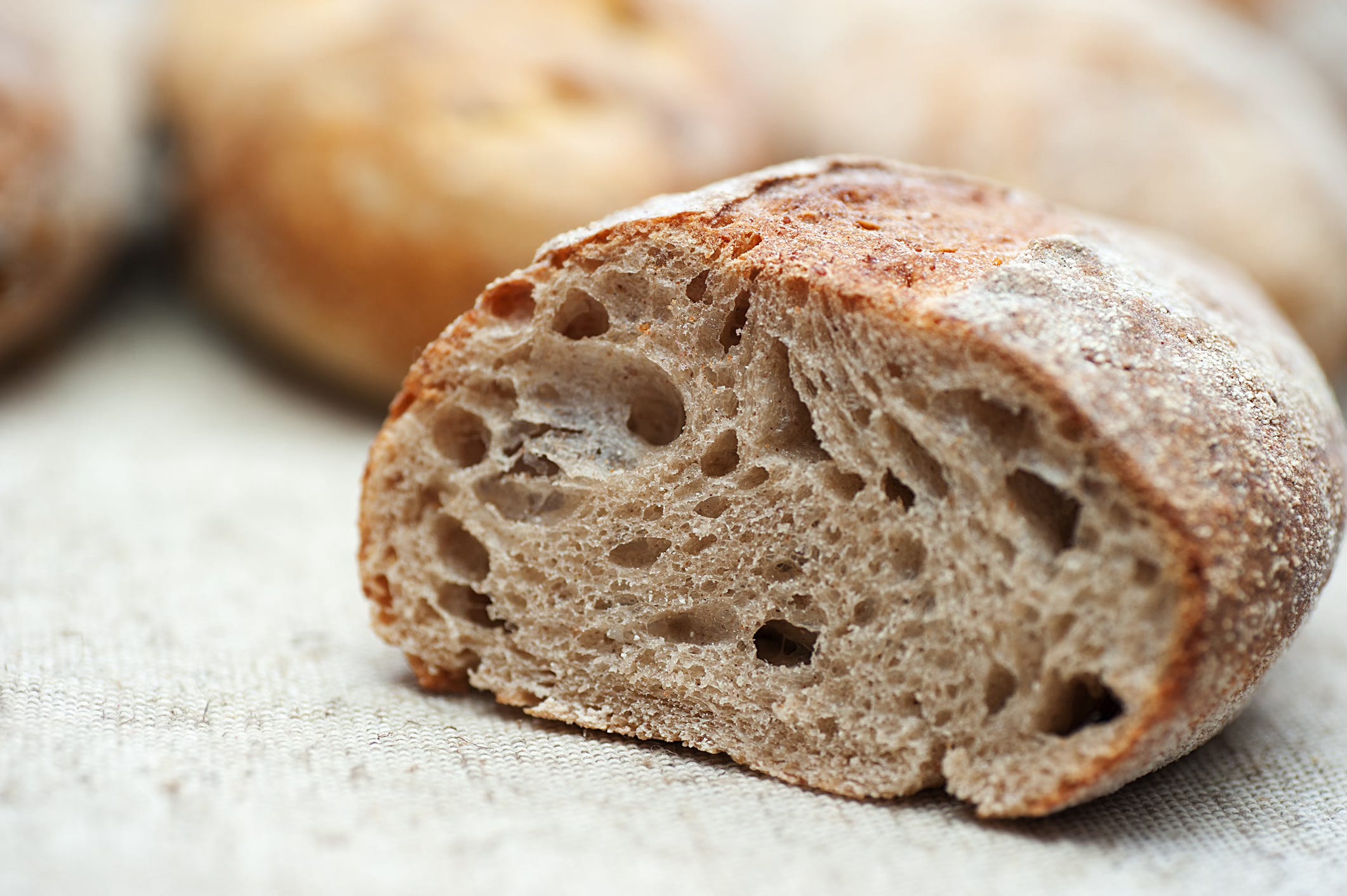
A simple loaf tells a deeper story. Fermentation, texture, and time all shape how bread feels in the body.
In pediatric culinary medicine, how children learn to feel steady matters just as much as what food provides nutritionally. Taste literacy grows through familiarity, routine, and repeated calm exposure. Bread plays a unique role here. It is emotionally grounding, developmentally flexible, and deeply familiar.
This matters because bread has often been swept into broader confusion about gluten. For children with celiac disease or true gluten intolerance, avoiding gluten is essential. For many children without a medical reason to avoid gluten, a gluten-free pattern can make it harder to get enough fiber, energy, and certain nutrients. It can also add planning at school, playdates, and social meals.
When families know where their bread comes from and how it is made, bread becomes something children can trust and return to. Not something to manage or avoid, but a stable presence at the table, quietly supporting confidence around food.
Why This Flavor Matters: Bread
Bread matters because it calms the table when feeding feels complicated.
For many families, bread is already present. It is familiar, accepted, and shows up without resistance. That familiarity is one of bread’s greatest strengths.
In pediatric culinary medicine, we pay close attention to foods that help children feel settled before they are asked to explore. When bread is made simply, without added sugars, and fermented slowly, it offers nourishment alongside predictability. It fills the body steadily, helping children feel satisfied and reassured.
Unlike sweet baked goods, bread does not rely on sweetness for appeal. Its comfort comes from texture, warmth, aroma, and repetition. These qualities make bread especially supportive for children who are still learning how to trust food.
Bread also matters because it acts as a scaffold for flavor learning. It holds spreads, soups, vegetables, proteins, and sauces in ways that feel connected and familiar. This allows children to approach new tastes without having to start from scratch.
Flavor confidence begins when a child recognizes comfort first. From that calm place, the brain is free to notice what is added. Bread supports this process because it adapts across development. Soft or crisp. Warm or room temperature. Plain or paired. Bread meets children where they are.
Bread matters because it:
Provides emotional grounding. Familiar texture and presence help children feel calm at the table.
Supports developmental flexibility. Bread shifts form easily, allowing it to meet changing skills and preferences.
Acts as a vehicle for flavor learning. As a trusted base, bread carries new tastes in a connected way.
Strengthens routine and confidence. When chosen thoughtfully and offered consistently, bread becomes a steady anchor within the meal.
When bread is trusted for what it offers, the table feels steadier. Children have more space to engage at their own pace and notice what comes next.
Pediatric Culinary Medicine Insight
Bread’s steadiness supports taste literacy through regulation, repetition, and gentle variation. When bread is familiar and trusted, a child’s nervous system stays calm. From that calm place, bread becomes a quiet teacher, allowing new tastes to appear alongside something steady.
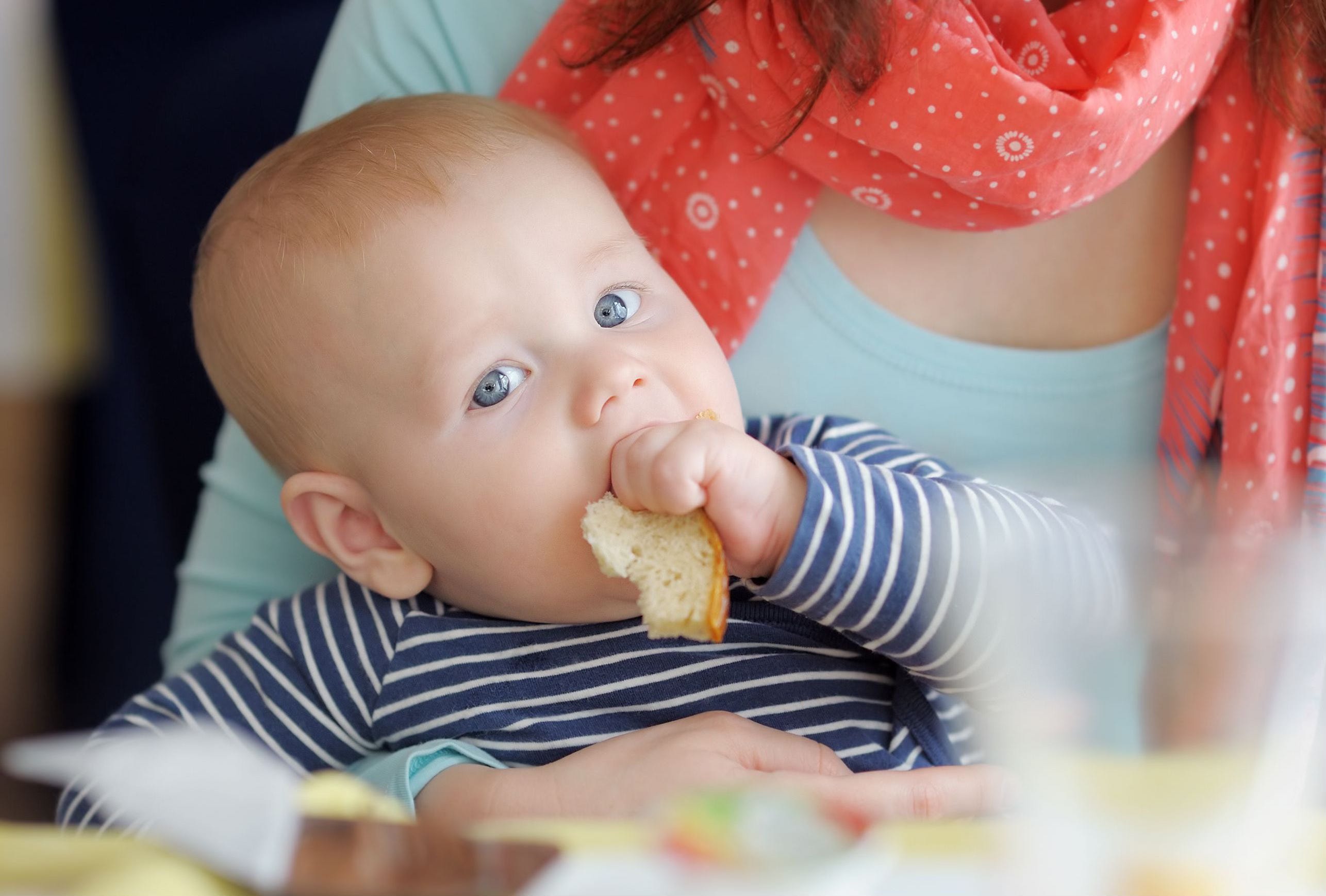
Familiar foods help children feel settled enough to stay present at the table.
Familiarity as regulation. Bread provides sensory predictability through texture, aroma, and mouthfeel. This predictability helps children feel grounded. When the body feels steady, the palate is more open to learning.
Bread as a flavor vehicle. Bread carries other flavors without asking the child to start from zero. A spread, a dip, a soup, or a topping rests on something already known. The child recognizes the bread first, then notices what is paired with it. This sequence invites calm exploration rather than resistance.
Neuro-flavor mapping through pairing. Each time a new flavor is experienced alongside bread, the brain adds that combination to its internal library of familiar tastes. Over time, what once felt unfamiliar becomes recognizable. Confidence grows through repeated association.
Bread also supports developmental flexibility. It adapts easily across ages, skills, and stages. Soft or crisp. Plain or paired. Hand-held or dipped. This adaptability allows bread to remain a steady presence as children grow and preferences shift.
Bread reminds us that flavor confidence does not come from removing what feels safe. It grows when safety is used as the foundation that allows curiosity to unfold.
Levels of Flavor Confidence
By now, the three levels that guide each Flavor Pathway may feel familiar. They describe how your child approaches new tastes, shaped by confidence, routine, and familiarity rather than age.
With bread, these levels often become easier to notice. Because bread is already trusted, it creates a steady starting point for observing how your child engages with flavor when the foundation feels safe. As you read, you may recognize these levels not as categories to move through, but as patterns you already see at your own table.
What matters here is not where your child “should” be, but where they are most at ease. Taste literacy grows when learning begins from that place.
Early Flavor Explorer: Leans into sameness and predictability. Success looks like calm acceptance and regulation.
Growing Flavor Adventurer: Begins to notice what is paired with the bread. Success looks like curiosity and gentle willingness.
Confident Flavor Taster: Engages comfortably with layered combinations. Success looks like relaxed ease and enjoyment.

When bread is trusted, children move easily between foods – tasting, pausing, returning.
As always, begin where your child feels most comfortable. That might be a familiar slice of bread eaten plainly, or a pairing that already feels trusted. What matters most is not speed or progress, but steadiness. Confidence builds through repetition and calm experience, not momentum.
Your printable Bread Flavor Pathway Card below includes these levels as a visual guide for the week.
One Flavor, Six Paths: Using Bread as a Flavor Foundation
Bread is the steady surface that supports your child’s exploration. Across the Six Paths, bread remains present while its role subtly shifts, guiding your child from reliance on familiarity toward flexibility with flavor. What follows is a practical way to use bread as a steady foundation for flavor learning.