

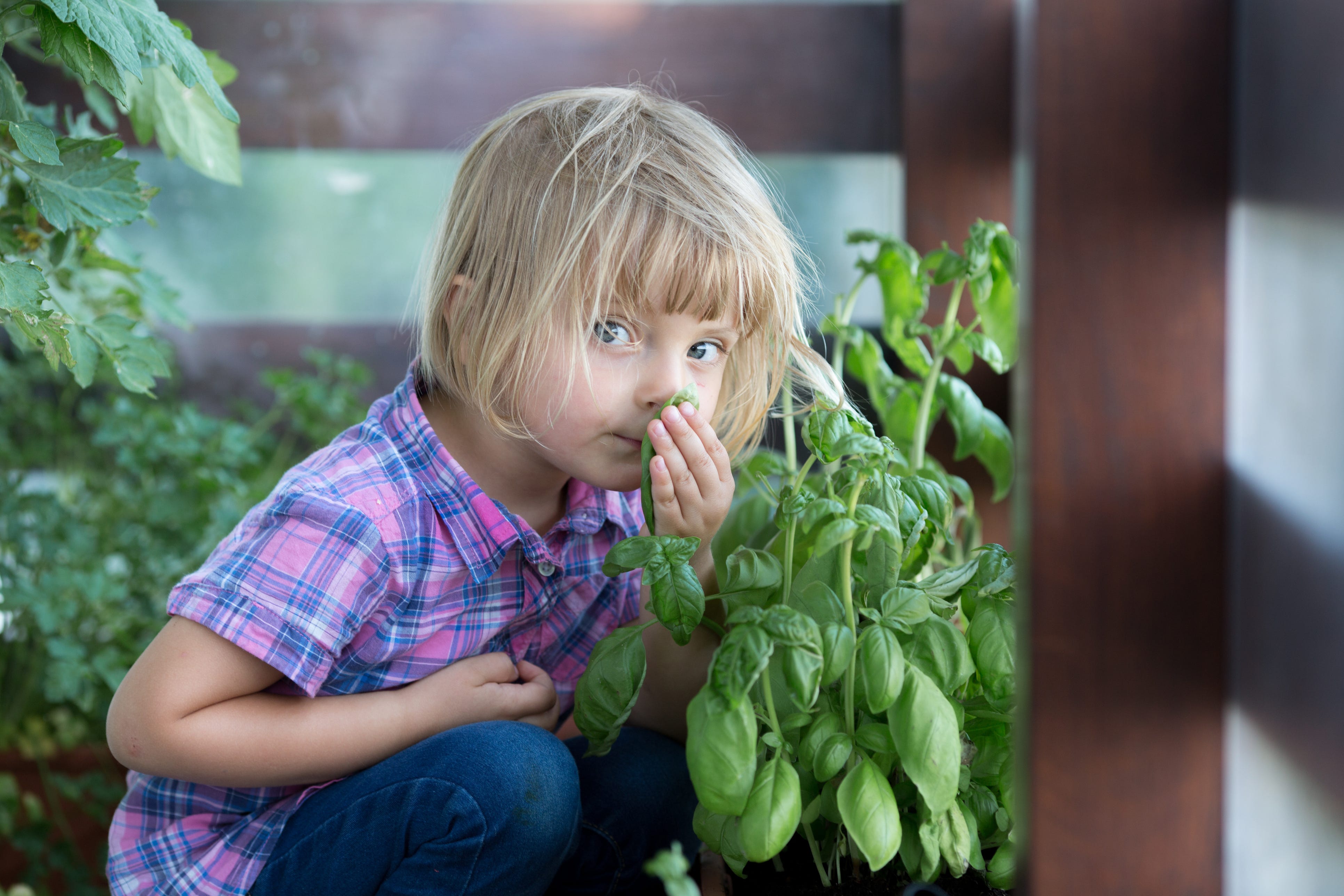
Children begin learning herbs before they ever take a bite. Familiarity starts with noticing a new aroma.
You finally sit down to dinner. Before anyone has taken a first bite, your child reaches into their plate and begins picking out the tiny green flecks. You know what’s coming. The meal already feels tense.
“My child won’t eat anything if it has little green pieces in it.”
It is one of the most common frustrations parents describe.
A smooth pasta sauce suddenly becomes “yucky.” Soup is pushed away before the first bite. A favorite meal is carefully inspected for tiny green flecks. It can feel as though one small ingredient has ruined the entire meal.
Those little pieces change the texture of an otherwise smooth food and make each bite feel less predictable. For many children, the challenge is not basil’s flavor. It is the new sensory experience that comes from visible pieces of an herb.
One of the advantages of cooking with fresh basil is that its flavor can become part of a meal without the leaves ever reaching the plate. Whole basil leaves or tender stems can gently flavor warm soups or sauces before being removed prior to serving. The familiar flavor remains, allowing children to become familiar with basil without managing the texture of visible herb pieces.
Basil is different from most foods that children are learning to eat. Unlike strawberries, carrots, or corn, basil is not a main ingredient. Instead, it quietly shapes the flavor of a meal. Many children become familiar with basil’s fresh aroma in pasta sauces, pesto, soups, or sandwiches long before they recognize basil as an herb or dried spice by name.
That creates an opportunity that often goes unnoticed. Children often become familiar with basil’s aroma before they become comfortable with its texture. A whole fresh leaf resting on top of a dish invites a child to notice, smell, or even tear it between their fingers and take a taste. Those experiences help children recognize basil as a different part of the meal.
Herbs teach children something unique from other foods. Rather than becoming the focus of a meal, they subtly shape its flavor. Learning to recognize basil as part of meals they already enjoy helps children build confidence with the herb over time.
Why This Flavor Matters
Basil may seem like a small ingredient, but it teaches one of the biggest lessons in taste literacy.
Unlike fruits or vegetables that children recognize as foods on their own, basil works behind the scenes. It quietly shapes the flavor of pasta sauces, soups, pesto, sandwiches, and many family meals. Long before children recognize basil by name, they are often building familiarity with the flavor it contributes.
That makes basil an important part of how children learn flavor.
Basil helps children begin recognizing flavor patterns rather than individual ingredients. Basil is commonly paired with tomatoes, olive oil, Parmesan, garlic, beans, grains, and fresh cheeses. As those combinations become familiar, children start connecting these positive food experiences.
Parents often wonder how children become willing to try new foods. From a pediatric culinary medicine perspective, the answer is rarely to simply ask them to try something new. Children feel ready to taste a new food when they recognize something familiar within it. A new meal that shares a familiar flavor pattern helps a child feel more comfortable with tasting it. A child who enjoys basil with pasta today may be more willing to try a white bean soup, a grain salad, roasted vegetables, or a family recipe inspired by travel tomorrow because the flavor already feels familiar.
Taste literacy grows as children connect flavors and foods with ones they already know.
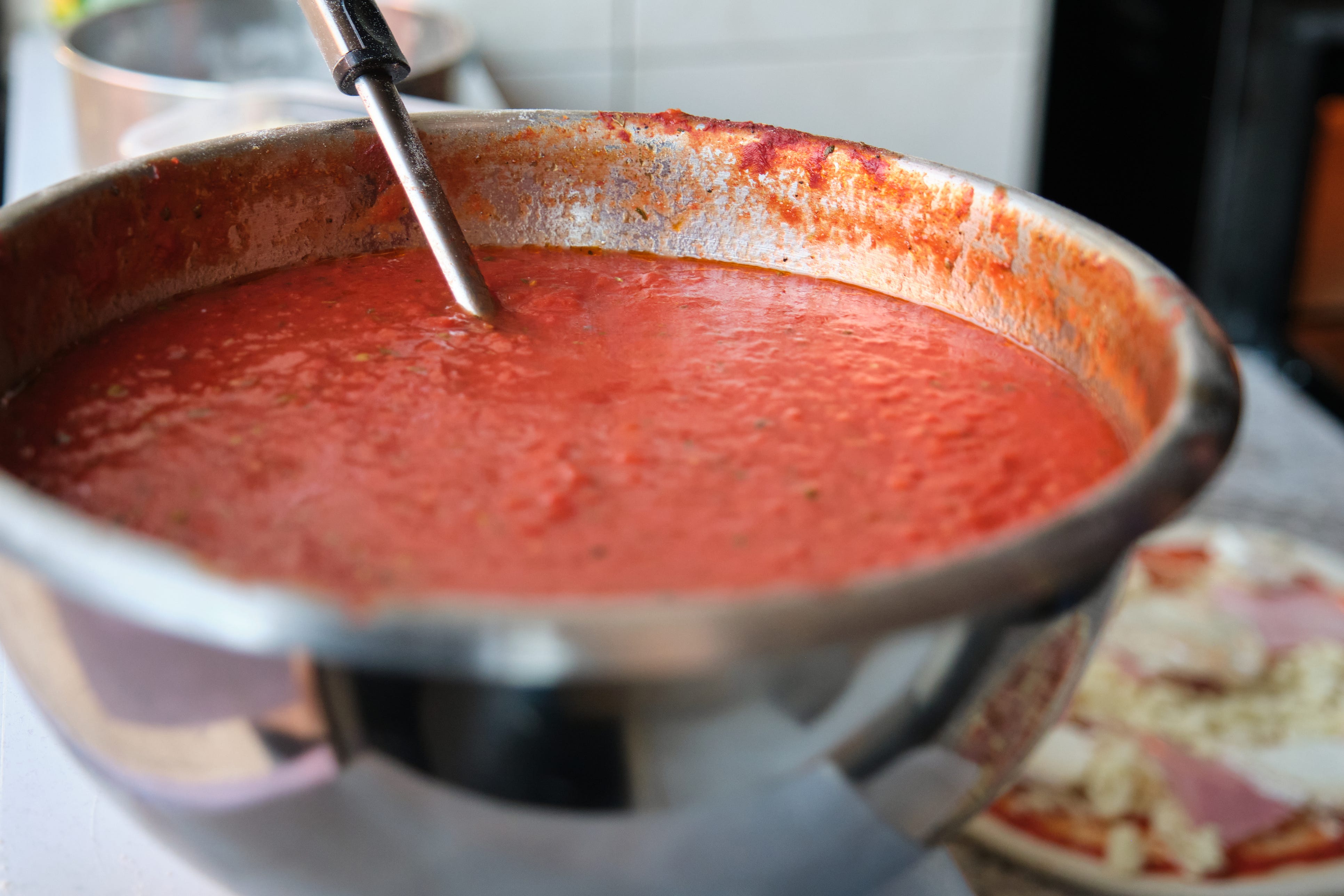
For many children, the challenge isn’t basil’s flavor. It’s how tiny pieces affect the texture or consistency.
Pediatric Culinary Medicine Insight
Basil illustrates how children connect one familiar meal to the next. Basil is not a main ingredient in a meal, yet its distinctive aroma becomes part of the brain’s memory of foods, such as in tomato sauce, pesto, soups, sandwiches, and many Mediterranean and Southeast Asian dishes.
This helps explain why children sometimes accept a new food more easily than parents expect. When familiar flavors appear in unfamiliar meals, children are building on flavor memories.
From a pediatric culinary medicine perspective, this is one reason repeated experiences with familiar flavors are so valuable. They guide a growing network of new flavor experiences that help future foods feel more familiar.
As children’s flavor pathways grow, their food world expands.

Tomatoes, basil, olive oil, and fresh cheese are classic flavor partners that help children build flavor connections.
Levels of Flavor Confidence
The three levels reflect how your child becomes familiar with basil over time.