

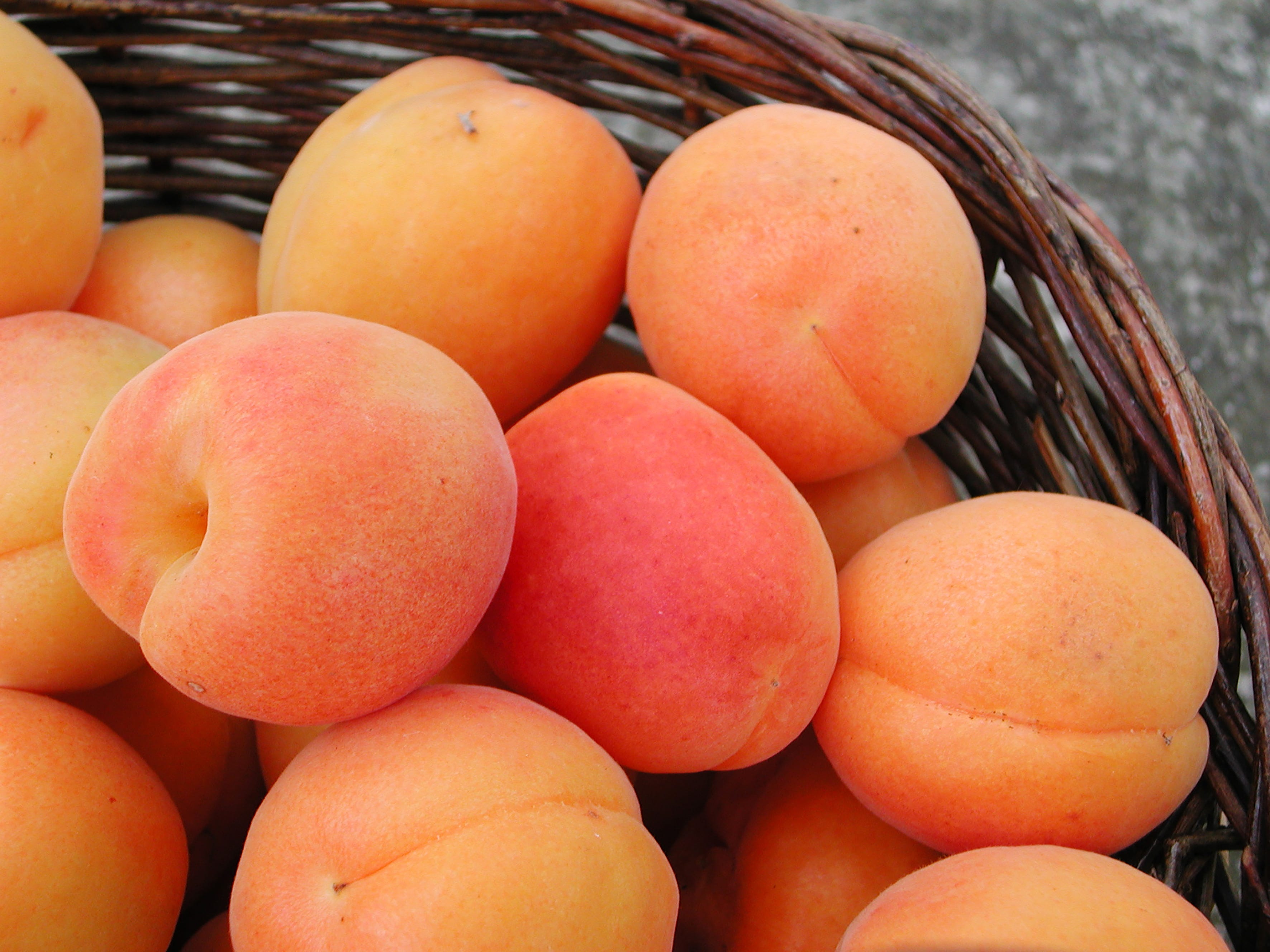
Fresh apricots are available for only a brief period each summer. Their sweet, floral flavor and short window of peak ripeness make them one of the season’s most anticipated fruits.
Your child happily eats the fruit pouch. They spread fruit preserves on toast, nibble dried fruit from a snack plate, and may even enjoy a pastry filled with fruit.
So, when you place the fresh fruit on the table, you expect it to go smoothly. Instead, your child hesitates. Perhaps they take a bite and stop or push it aside altogether.
Suddenly you’re left wondering why they like a flavor one way but refuse it another. Many parents interpret this as inconsistency.
But what if something else is happening?
This idea came to me recently while thinking about apricots. Growing up, apricot was already part of my flavor world. We had dried apricots regularly and apricot jam often appeared on toast. The flavor felt completely familiar to me long before I ever held a fresh apricot in my hand.
Yet I do not remember eating a fresh apricot until much later. When I finally did, I was surprised. The apricot I knew from jam and dried fruit was sweet, concentrated, and rich.
The fresh fruit felt like an entirely different experience.
It was small enough to fit in the palm of my hand, covered in soft orange-yellow skin with a delicate fuzz. The aroma was bright and inviting. The first bite was sweet, followed by a gentle tartness that lingered.
Not every apricot lived up to that experience. Some were mealy, flat, or picked before they were fully ripe. But a perfectly ripe apricot was, and still is, something special. A perfectly ripe apricot seems to glow from within. Golden-orange and fragrant, with a balance of sweetness, floral notes, and gentle acidity that makes it distinctly apricot.
The challenge is that this moment is brief. Apricots are notorious for having a remarkably short window between underripe and overripe. Many people who think they dislike apricots may have simply never tasted one at its peak, or experienced the Blenheim variety, prized for its balance of sweetness and acidity, with its intensely aromatic flavor.
That fleeting quality is part of what makes apricots such an interesting food for children. Your child may recognize apricot in pastries, preserves, yogurt, or dried fruit long before they recognize a fresh apricot. The flavor may be familiar, yet the texture, aroma, appearance, and overall experience can feel entirely new.
Noticing a flavor and accepting that flavor across different sensory experiences is not the same thing.
Perhaps that is why feeding can feel so confusing at times.
A child may not be rejecting the flavor at all. They are likely still learning how that flavor appears in different forms and settings.
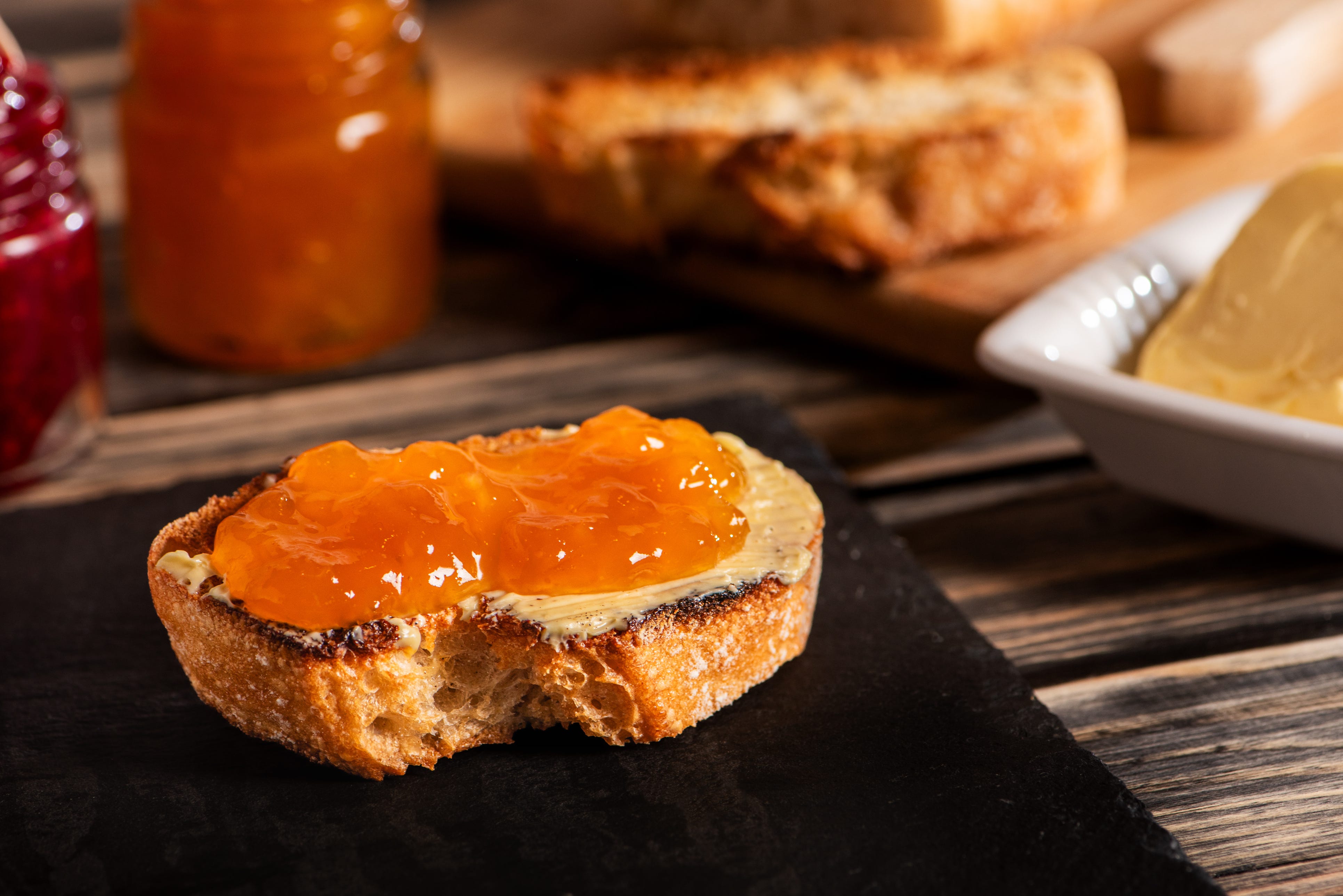
Many children encounter apricot as a flavor long before they encounter a fresh apricot. Preserves, pastries, yogurt, and dried versions all help build early familiarity.
Why This Flavor Matters
Apricots help explain one of the most common sources of feeding frustration.
Parents often assume that once a child knows a flavor, they know the food. If they enjoy applesauce, they should recognize apples. If they like tomato sauce, they should accept tomatoes. If they enjoy apricot yogurt or apricot jam, a fresh apricot should feel familiar.
But flavor learning is rarely that straightforward.
Some flavors are easy to describe. Bananas are sweet. Lemons are sour. Pretzels are salty. Apricots are more difficult to put into words. A ripe apricot may taste sweet, tart, floral, and honey-like all at once. It shares qualities with peaches and plums yet remains distinctly its own flavor.
That complexity is part of what makes apricots so valuable for developing taste literacy.
Taste literacy is learning how to recognize, compare, and make sense of different flavor experiences. It is not simply learning whether we like a food.
In many ways, flavor develops like language.
As children learn to read, they gradually encounter new words that expand their understanding of the world. Each word adds nuance and richness to an ever-growing vocabulary.
Flavor develops similarly. Each new flavor experience becomes another point of reference, another comparison, and another connection.
Apricots offer children a chance to encounter a flavor that doesn’t fit neatly into categories they already know. Sweet, but not like a banana. Bright, but not like citrus. Floral, but still familiar.
Children begin learning that fruits taste sweet in different ways and floral notes are part of flavor, too.
That may be one reason apricots have remained part of human food traditions for thousands of years. Originating in Central Asia and China more than 4,000 years ago, they traveled westward along the Silk Road and became woven into cuisines across continents.
Fresh apricots also offer something increasingly uncommon: seasonality. For a few brief weeks each summer, fresh apricots arrive at their peak. Unlike many fruits that are available year-round, fresh apricots arrive with a sense of anticipation. Their season is short, and their peak ripeness may last only a few days. That fleeting nature teaches children something important: Not every food is available all the time. Some flavors belong to a season and are worth noticing when they arrive.
Whether your child takes one bite or many, apricots offer an opportunity to add another layer to their developing flavor vocabulary. Over time, every flavor contributes to their richer internal library of foods that feel familiar.
Pediatric Culinary Medicine Insight
One of the most interesting things about apricots is that children often encounter and recognize the flavor long before they encounter the fresh fruit itself.
From a pediatric culinary medicine perspective, this is a wonderful example of how neuro-flavor mapping works. Neuro-flavor mapping is the process by which the brain gradually learns to recognize a flavor across multiple sensory experiences.
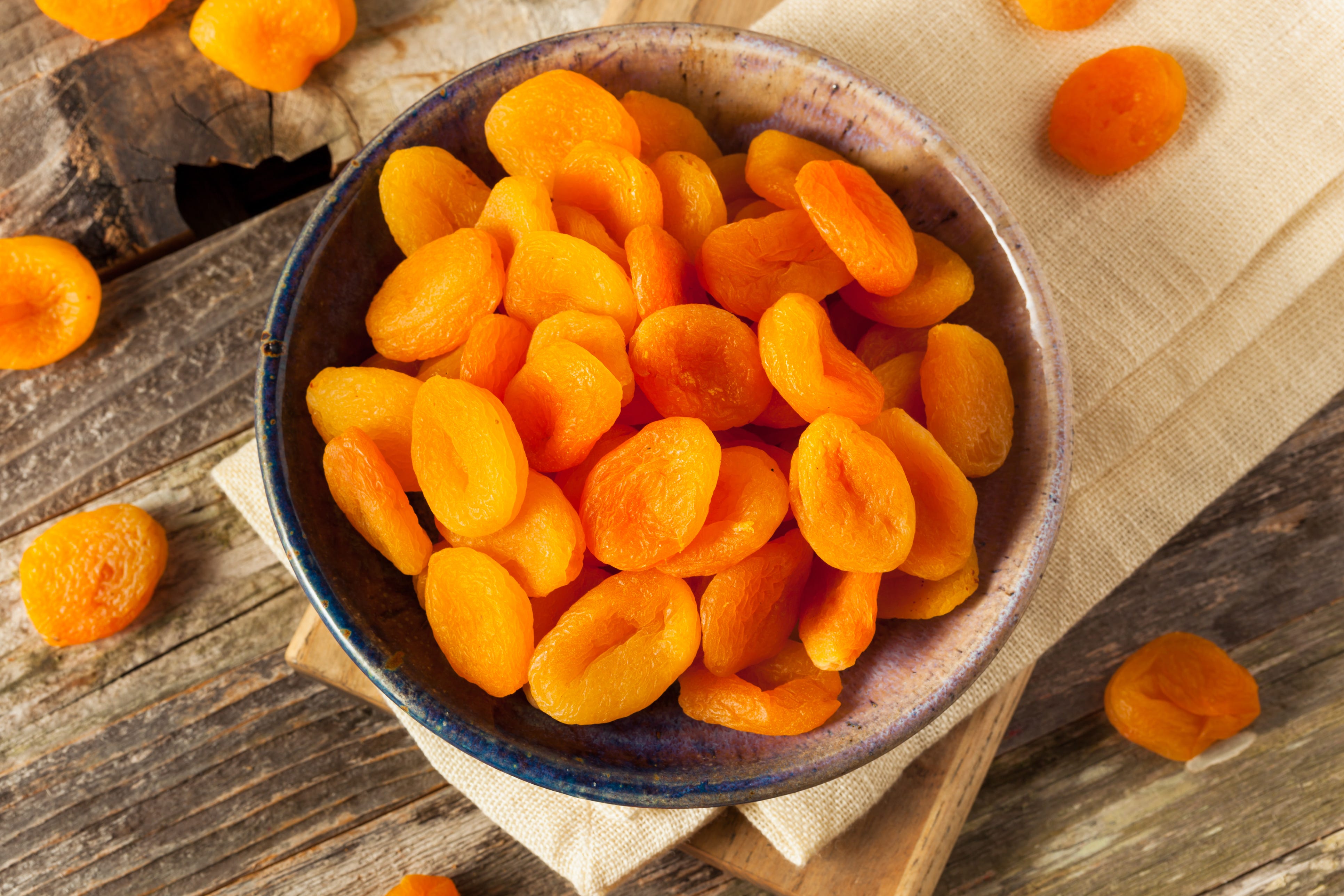
Fresh, dried, preserved, and puréed apricots can feel like completely different foods to a child, even when the underlying flavor is the same.
Children are not simply learning individual foods. Developmentally, they are primed to learn patterns and relationships to make connections between flavors.
Apricots offer an especially rich example. A dried apricot is chewy and concentrated. Apricot preserves are smooth and sweet. A fresh apricot may be delicate, juicy, slightly tart, and covered in soft fuzz.
To an adult, those experiences feel related. To a child, they may feel like completely different foods.
With repeated exposure, however, children begin building comfort with the flavor, even when the texture, appearance, temperature, or preparation changes. The flavor settles into the child’s internal library of familiar foods.
This process is supported by gustatory priming. When children repeatedly encounter a flavor in low-pressure ways, the brain begins collecting small pieces of information about that flavor long before full acceptance occurs.
Even if they are not yet eating the fruit, a child who smells apricot preserves while breakfast is being prepared, helps chop dried apricots for a snack board, notices fresh apricots at the farmers market, or tastes a small spoonful of an apricot yogurt parfait is building familiarity.
Rather than asking: “Does my child like apricots?” A more useful question may be:
“What are the opportunities my child has had to recognize apricot?”
Because recognition of flavor comes before acceptance, offering your child experiences with apricot flavor allows this progression to develop naturally.