


Would you take a photograph of your refrigerator and ask artificial intelligence what to make for dinner?
If your child looked at what you made and said, “I don’t like it,” would you ask artificial intelligence what to do next?
At the recent Food Is Life, Food Is Health Summit at The Culinary Institute of America at Copia, I heard a registered dietitian describe the first idea. It was clever. It also made me curious about what might happen next.
Dinner, Unlocked?
Imagine it is 5:30 p.m. and you don’t have a plan for dinner. Your refrigerator has eggs, sliced turkey, cheese, yogurt, apples, red peppers, and a few condiments. Your pantry has pasta and rice. You can see the possibilities, but your child is hungry, you are tired, and you don’t have much bandwidth left for another decision.
You photograph the contents of your refrigerator and ask artificial intelligence for a family dinner that can be ready in thirty minutes. It suggests creamy turkey and red pepper pasta. When you ask how to serve it to your four-year-old, it recommends reserving some plain components, beginning with a small portion, and not pressuring your child to try a bite.
You follow the guidance. You set aside plain pasta and a slice of turkey before combining the rest. You add apple slices, and you put a small amount of the finished pasta and a piece of red pepper nearby. For a moment, you feel prepared. You used what you had. You made one meal. You thought about your child’s age and current preferences.
At the table, your child looks at the creamy pasta and says, “I don’t like that.”
You remind them that they like pasta. They point at the sauce. “Not that pasta.” Then they eat the plain pasta, the cool turkey, and several apple slices. The creamy pasta and red pepper remain untouched.
There is no meltdown. Your child eats dinner, and everyone stays at the table together. You are glad your child ate. Still, if you hoped everyone would share the pasta as prepared, something about the meal may feel unfinished.
Before deciding how well dinner worked, notice what actually happened:
Your child did not eat the finished dish. Your child did eat dinner.
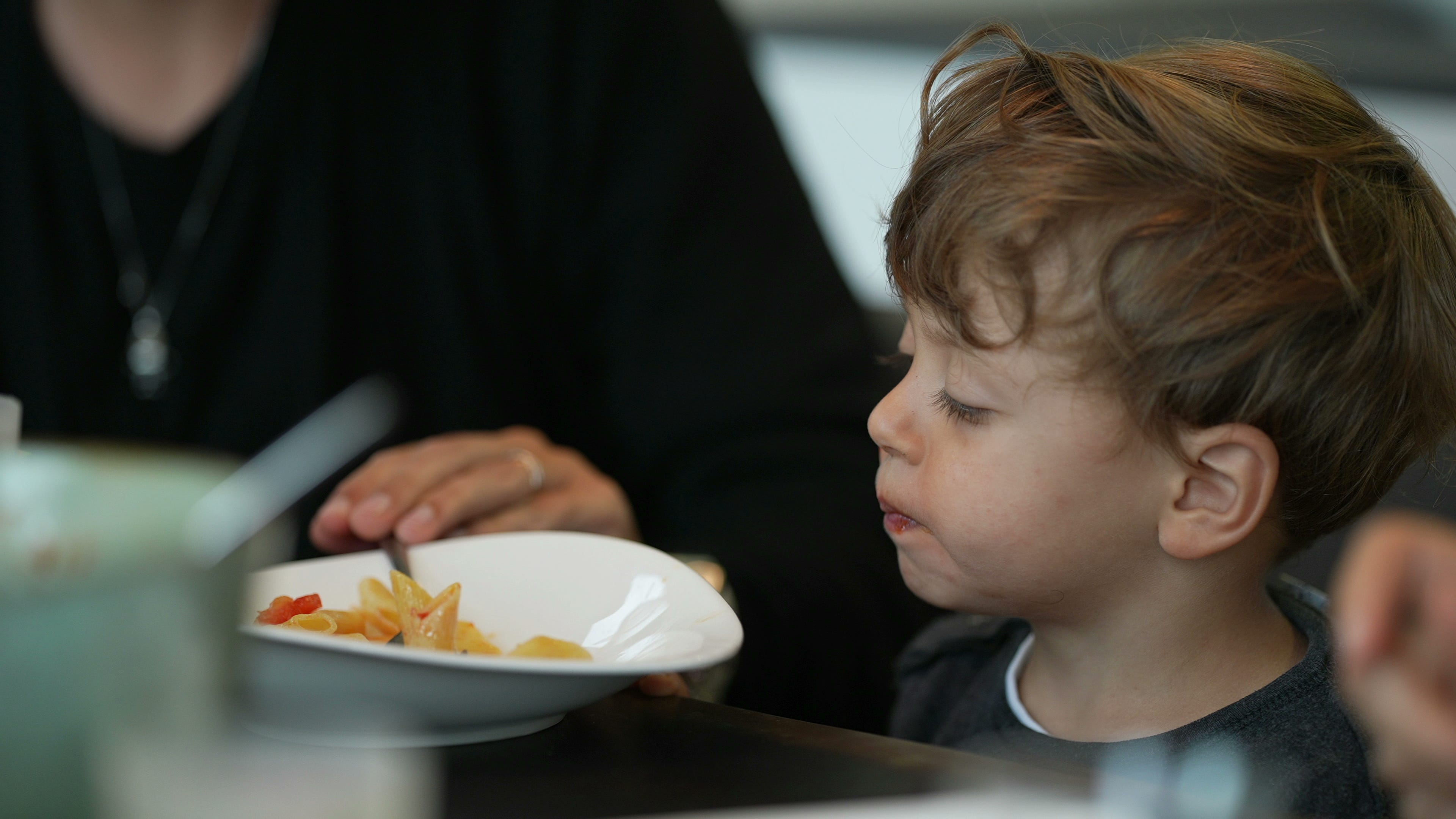
“I don’t like it” may be the clearest way a young child can express uncertainty about the food in front of them.
What your child ate can be a completely workable dinner for a four-year-old. Eating the foods separately does not make them any less part of dinner.
You may also have a longer-term goal. Perhaps you would like your child to become more familiar with the dishes your family eats, without pressure or a separate meal. The question is no longer whether tonight’s dinner counted. It did. The question is whether what your child recognized tonight can help you decide how to serve the dish next time.
You open the same artificial intelligence conversation and try again.
“My child ate the plain pasta, turkey, and apples but not the finished dish. I’m glad they ate, but I would like them to become more comfortable with our family dishes. What should I do next?”
The response comes back right away. It’s calm. It tells you not to force, bribe, or coax. It recognizes that your child ate several parts of the meal and identifies the protein, carbohydrate, and fiber they provided. It reassures you that you do not need to cook a separate dinner. For next time, it suggests deconstructing meals, always including a “safe food,” involving your child in cooking, and providing repeated, pressure-free exposure to new foods.
Most of that is reasonable. Some of it you’ve read or heard before. You may still be left with a full list of strategies with no clear sense of which one matters most or how to apply it to this dinner. Deciding which recommendation fits begins with something the list does not fully explore: how the preparation changed your child’s experience of familiar foods.
Should you keep ingredients separate at every meal?
Does every dinner need a designated “safe food”?
If you serve recognizable components, are you catering to your child’s preferences or considering their experience?
How might your child become familiar with the finished dish?
Artificial intelligence can provide expert-sounding information, but it cannot independently determine whether that information fits your child, this particular dinner, or what you have been noticing over time.
To make that decision, we will look at what the response offers, how combining familiar ingredients may change your child’s experience of them, and what those details can tell you about this dinner and the next one. That narrows the job in front of you: decide whether anything more is needed tonight, then notice one detail that may make the next dinner easier.
What Artificial Intelligence Gets Right in the Moment
Responses vary depending on the tool, the question, and the information you provide. In this example, the response did several things well that are worth naming.
It arrived immediately. It responded calmly, without judgment, impatience, or any suggestion that you should already know the answer. It recognized that your child had eaten from the meal even though the pasta dish remained untouched. It also reassured you that you did not need to make a separate dinner.
In the moment, that kind of response has real value. You may feel less pressure to coax your child, negotiate over the sauce, or search the kitchen for a backup plan. You can ask follow-up questions while the concern is still fresh and let your child continue eating what they selected from the meal. For a tired parent making decisions while dinner is still happening, that immediate, calm exchange can matter.
The suggestions may not always fit neatly together. In the same conversation, you might receive “celebrate the win!” and “avoid praising eating.” You might receive “deconstruct the meal,” “always include a safe food,” and “avoid catering to preferences.”
The individual suggestions are not necessarily wrong. They may be intended for different children, different feeding concerns, or different moments. That breadth gives you options. It also leaves you with a decision: Which suggestion addresses this dinner, this child, and this moment? Which ones are answering a different problem?
Artificial intelligence can offer increasingly specific answers as you provide more information. The harder part is knowing which information deserves attention. Did your child reject pasta, or pasta coated in sauce? Is this one unfamiliar preparation, something you have noticed across many meals, or part of a concern affecting your child’s appetite, comfort, or growth? The answer depends on more than what was left on the plate. It also depends on how the food was prepared, what your child usually eats, and what else you have been noticing.
To sort that out, it helps to look more closely at the food itself and how your child may have experienced it.