

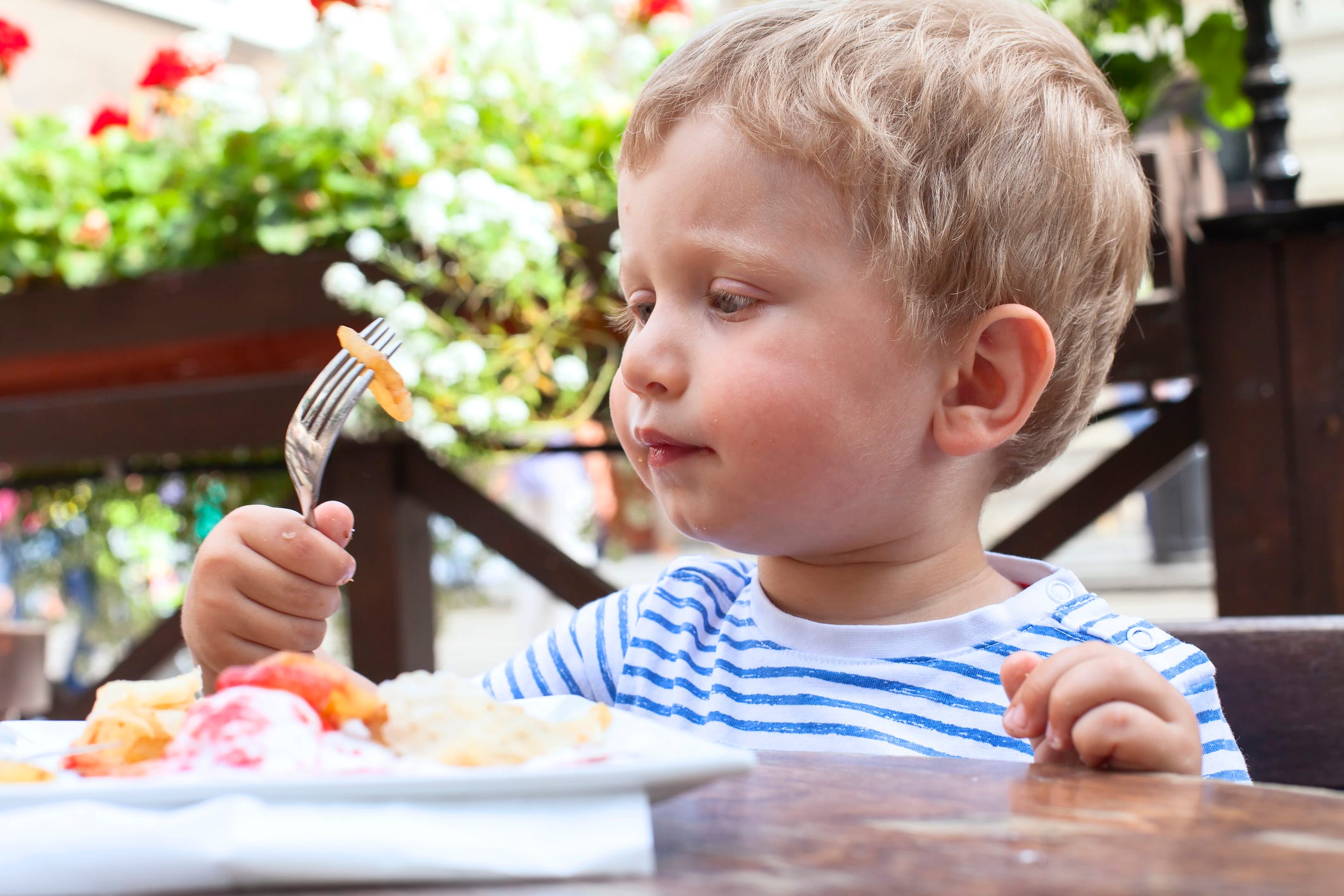
A child’s hesitation may reflect texture, not simply taste.
I have what I jokingly call my “bliss point” food: Stacy’s sea salt Pita Chips.
We do not buy them often. They usually make an appearance when we are putting together a picnic or serving hummus or bean dip for a party. When my husband goes to the store, I tell him to buy the smallest bag we need because if there are leftovers, I know exactly what will happen. Standing in the kitchen with the open bag beside me, I will keep reaching in for one more.
I love the crunch. The salt seems to be just right. They are sturdy enough to scoop up hummus, but I happily eat them just plain. I might crumble them over a salad or use them as croutons on a creamy soup.
There is a food science term called the bliss point: the point at which sensory qualities like flavor, saltiness, sweetness, richness, and texture feel especially pleasurable or “just right.” Food companies pay close attention to these qualities when developing products.
When I think about those pita chips, the slight saltiness is only part of what makes them so satisfying to me. It is the texture. I know exactly what is coming with each bite. It will be crisp and break with a familiar crunch.
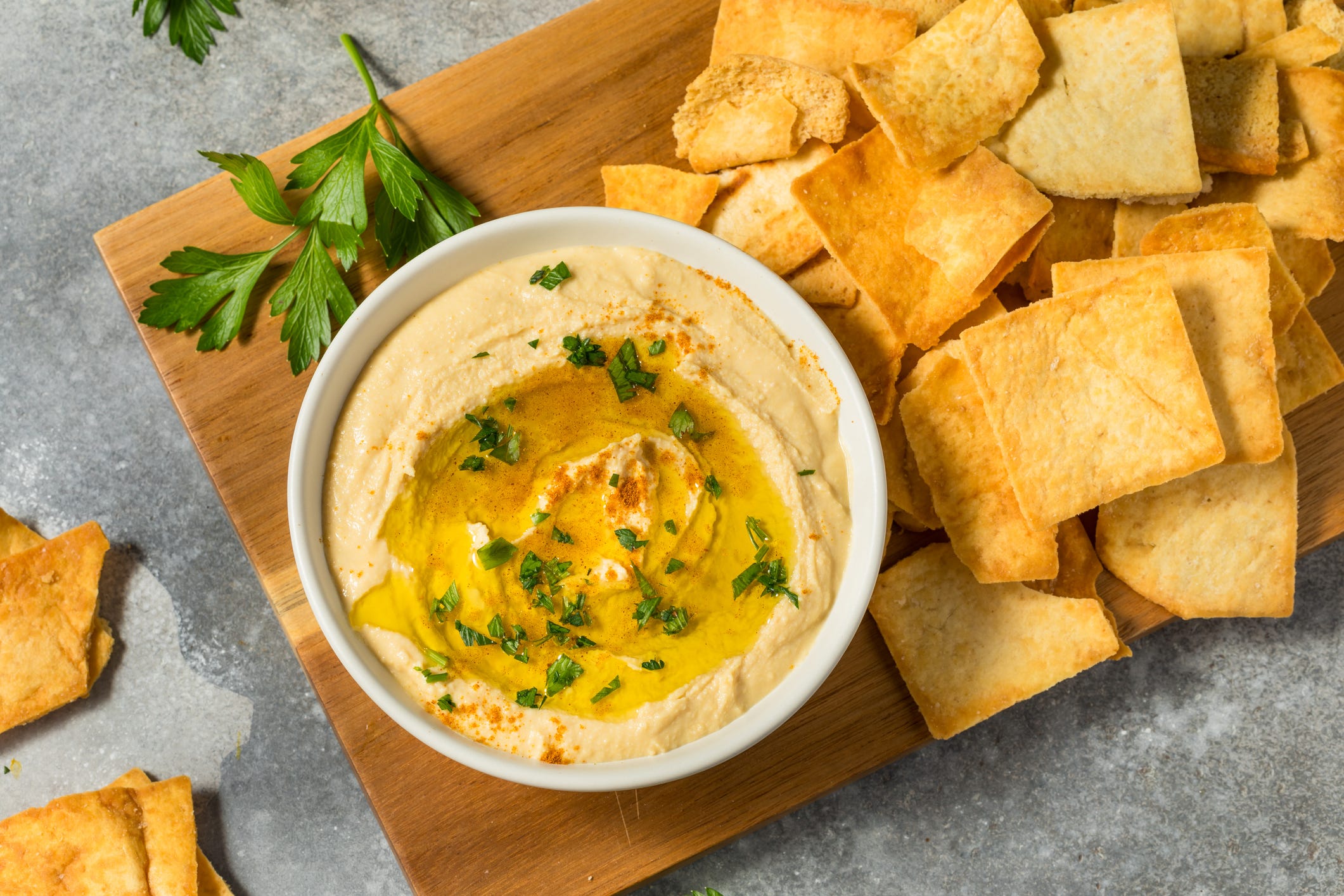
Texture makes some foods feel especially satisfying and predictable.
Now consider how differently many of the foods we serve children can behave. A blueberry can be firm in one bite and squishy in the next. Chicken can be tender and juicy one night, then dry and stringy another. Broccoli changes dramatically depending on how it is cooked. Even two bites of the same fruit may not feel alike.
When your child pushes one of these foods away and says, “I don’t like it,” it is easy to hear that as a verdict about the food.
They don’t like chicken.
They won’t eat those vegetables.
They are so picky.
Sometimes that is true. Children, like adults, have preferences and genuinely dislike certain foods.
But sometimes “I don’t like it” gives you only part of the story. The chicken may have been too dry to chew comfortably. The zucchini may have felt slippery. The berries may have been unpredictable. The sauce may have contained little pieces your child was not expecting.
That distinction matters because it gives you more options than the two choices that may seem available at dinner: expecting your child to eat the food exactly as you prepared it or getting something else you know they will eat.
There is often a middle ground.
Sometimes a small change to the food already on the table can make it easier to manage without requiring another dinner.
That does not mean every hesitation needs to be fixed. Children need time to learn the many textures that come with food. Understanding what may be making a food difficult gives you a more useful place to start.
What Do We Really Mean by Texture?
Texture describes how food feels when we touch it, bite it, move it around the mouth, chew it, and swallow it. Texture preferences are common, and they can change as children grow and gain experience with food. Children also have individual sensory preferences, just as adults do.
A child may enjoy carrots when they are crisp but not when they are soft. Another may happily eat smooth yogurt but hesitate with a sauce that contains small pieces. Another may be comfortable with individual foods but find several textures together in one bite more difficult.
Texture is part of taste literacy. Over time, children learn that carrots can be crisp or tender, potatoes creamy or crunchy, and chicken juicy, shredded, crisp-edged, or chewy depending on how it is prepared.
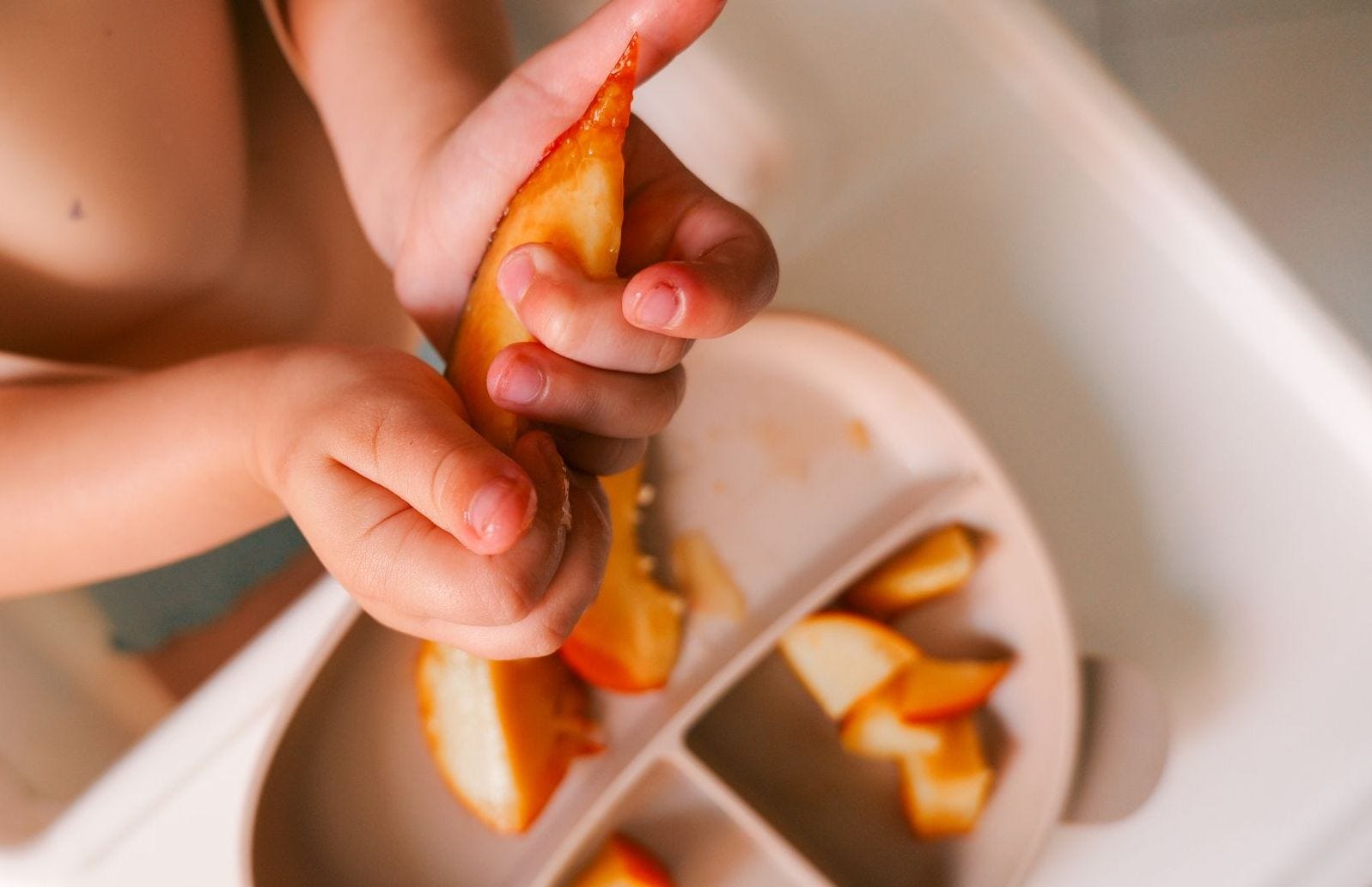
A familiar food can feel very different from one bite to the next.
Cooking helps create texture. That means the way a food is prepared can sometimes change how easy it feels to eat without changing what the family is having.
Children Learn Textures Over Time
Children are not born knowing how to manage every texture. During infancy, babies gradually learn to move food around the mouth, bite, chew, and manage increasingly complex textures. Development varies, so progression should follow developmental readiness rather than a rigid timetable.
That learning continues beyond infancy. Chewy meats, slippery noodles, soft beans, crusty bread, juicy fruit, soups, sauces, and mixed dishes all feel and behave differently in the mouth.
Hesitating with one texture does not necessarily mean you need to stop serving that food. Your child may need more time, another experience, or a preparation that feels easier to eat.
When a Texture Preference Feels More Like an Aversion
Children can have strong texture preferences without having a food aversion. A child who prefers crisp carrots to cooked carrots, or pasta without sauce, is giving you information about how they currently prefer those foods.
An aversion tends to involve a stronger and more consistent response. A child may avoid a particular food, texture, smell, or combination of sensations and may react before tasting it. Some children may gag with certain textures, become distressed around particular foods, or begin to accept a very limited range of foods. Aversions can also develop after an unpleasant eating experience.
For parents, the uncertainty can be the hardest part. A preference may shift as a food is prepared in different ways, while a stronger aversion may persist.
You do not have to figure that out in one meal. Notice the pattern over time: how strong the reaction is, how consistently it happens, and whether it is narrowing what your child can comfortably eat.
Why Parents Get Stuck in the Texture Trap
Crackers, pretzels, cereal, meat sticks, and many packaged snacks are remarkably predictable. Open the same package tomorrow, and the cracker will look, taste, and crunch much the same way. That consistency is part of what I love about those pita chips. I know what to expect with every bite.
Fresh foods vary more. One blueberry may be firm and tart while the next bursts with sweet juice. A banana softens as it ripens. One piece of chicken may be moist while another from the same pan is drier and chewier. For a child who notices texture differences strongly, those differences can matter.
They can also give you useful information about which foods and textures currently feel easiest and most predictable.
Here is a scenario that might feel familiar: Your child refuses the chicken you made for dinner. They are hungry. You are tired. You know they will eat crackers and yogurt, and more than anything, you want them to eat something.
So, you give them crackers and yogurt.
Of course you do.
Sometimes that is exactly what gets everyone through dinner.
But when the same pattern happens repeatedly, you may gradually find yourself keeping a mental list of the foods your child will reliably eat and planning around them.
Chicken becomes something they “won’t eat.” Certain vegetables become foods they “don’t touch.” Mixed dishes start getting separated into individual ingredients. You may even begin wondering what backup food to have ready before dinner reaches the table, what to bring to Grandma’s house, or what your child might eat on the way home from a restaurant.
Those dependable foods are reassuring because you know your child will eat them. At the same time, relying on an increasingly small group of foods can leave you feeling as though you always need another option ready.
Understanding texture gives you another choice: sometimes the family meal can stay.
The First Shift: Get Specific Before You Replace the Food
Before chicken becomes something your child “doesn’t eat,” get more specific.
What was difficult about this chicken? Was it dry, rubbery, too chewy, or different from what your child expected?
That gives you something concrete to work with next time. One difficult version does not mean you need to stop serving chicken. It may mean there is something about this version that can be adjusted.
That is where a Food-First approach becomes useful.